

How Local Spray Foam Insulation Services Can Address Household Energy Loss
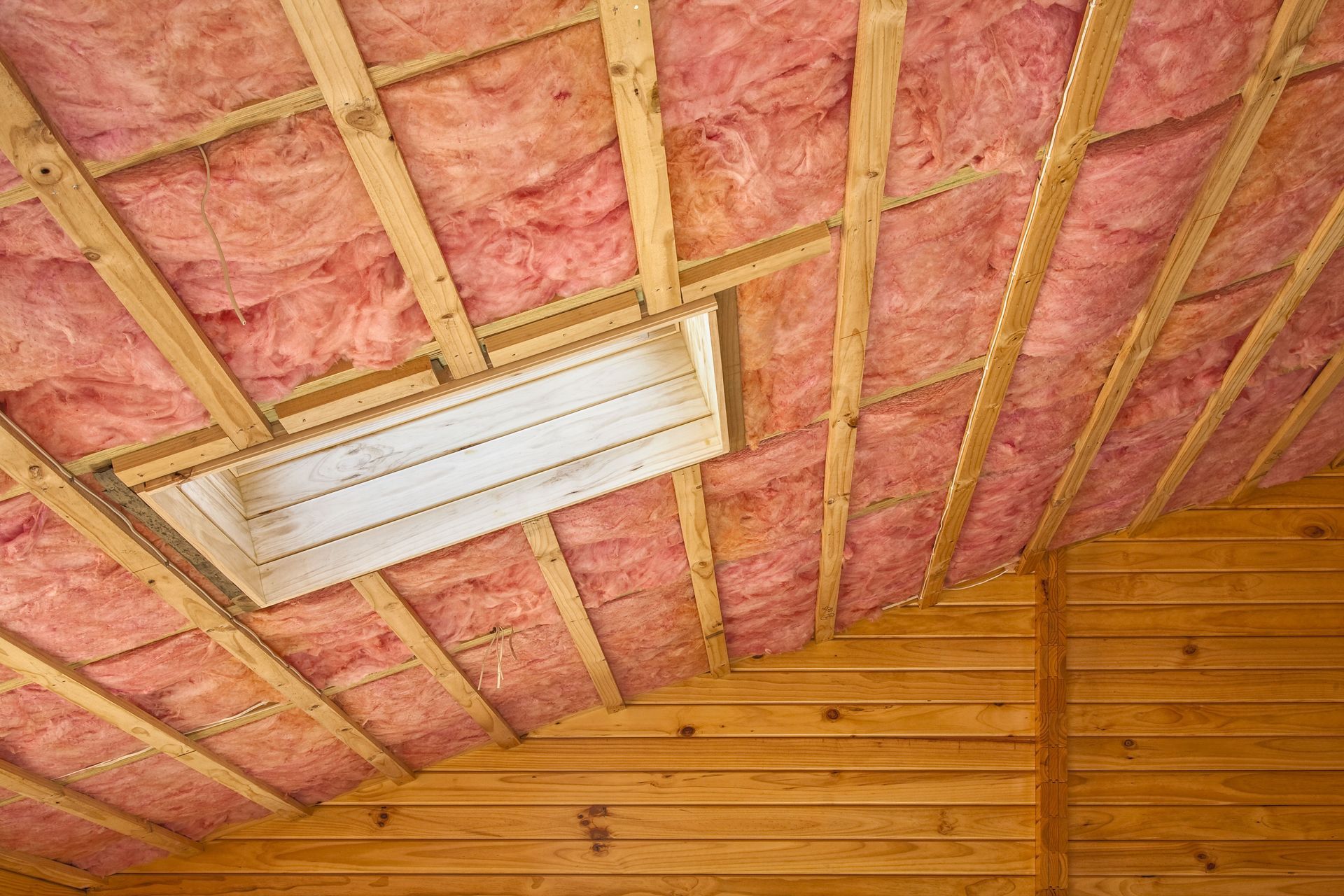
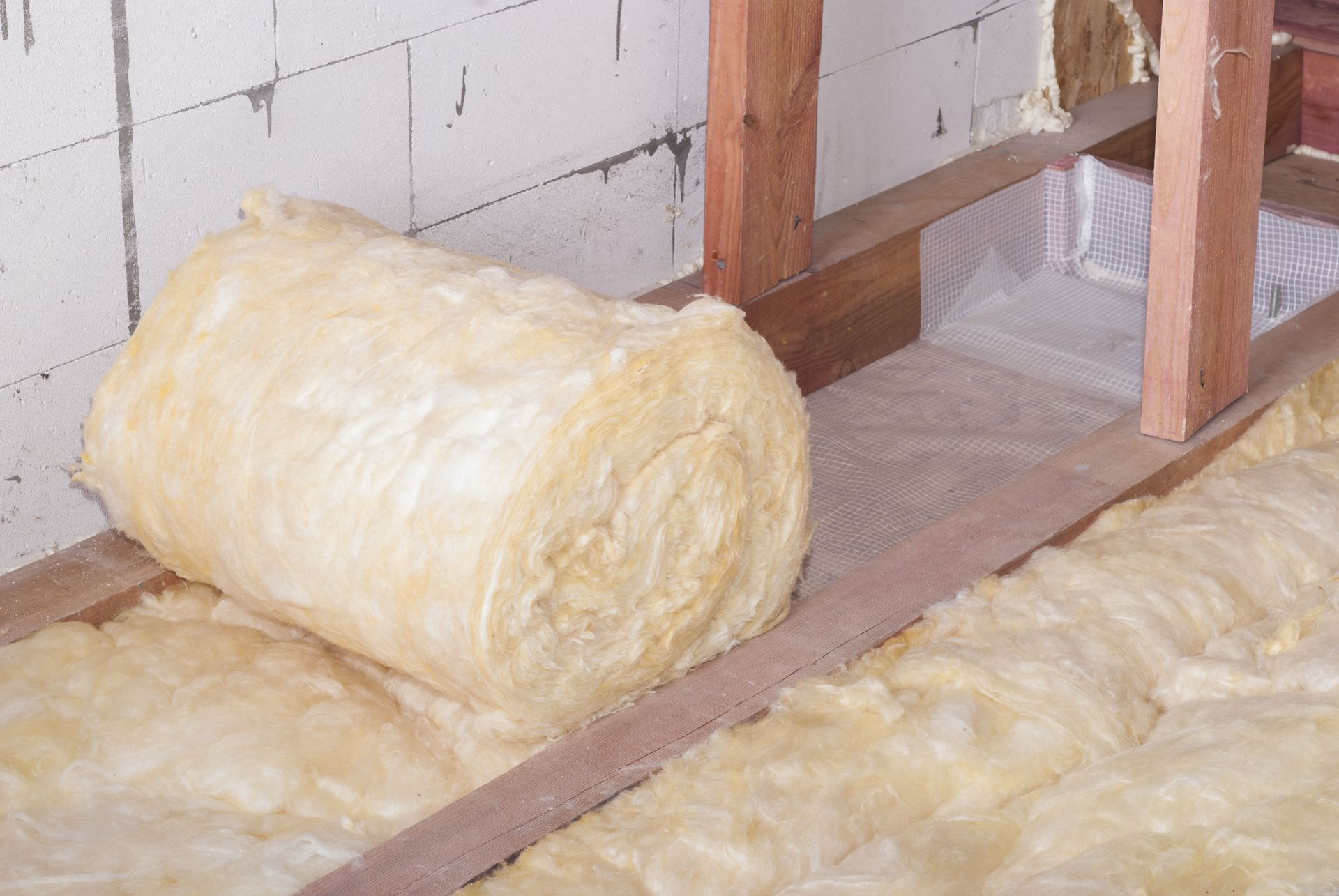
Maintaining a comfortable, energy-efficient home is a top priority for modern homeowners seeking to manage rising utility expenses and reduce their environmental footprint. Across many regions, residences lose significant amounts of heat and cooling through invisible gaps, inadequate thermal barriers, and deteriorating traditional insulation. While standard fiberglass batt or blown-in cellulose options offer basic resistance to heat transfer, they frequently fail to prevent air leakage—the primary driver of residential energy waste. Modern advancements in building science have made polyurethane foam one of the most effective solutions available for comprehensive thermal envelope management. Partnering with local spray foam insulation services allows homeowners to transform their living space into an airtight, energy-efficient haven.
Understanding the Mechanisms of Household Energy Loss
Energy loss in a residential structure occurs primarily through two mechanisms: conduction and air infiltration. Convective air currents move warm air toward cooler areas, while conductive pathways allow heat to pass directly through ceilings, walls, and floors. Standard insulation materials slow down conductive heat transfer, but they often allow conditioned air to escape through tiny cracks around wiring, plumbing penetrations, and structural joints. Even tiny gaps around electrical outlets and baseboards can collectively equal the air leakage of an open window. This continuous exchange of conditioned indoor air for unconditioned outdoor air forces heating and cooling equipment to run continuously. Engaging local spray foam insulation services provides a dual-action defense by combining high thermal resistance with an immediate, complete air seal. Eliminating air leakage at its source drastically reduces the workload on HVAC systems, ensuring temperatures stay consistent across every room.
Examining the Mechanics of Spray Foam Insulation
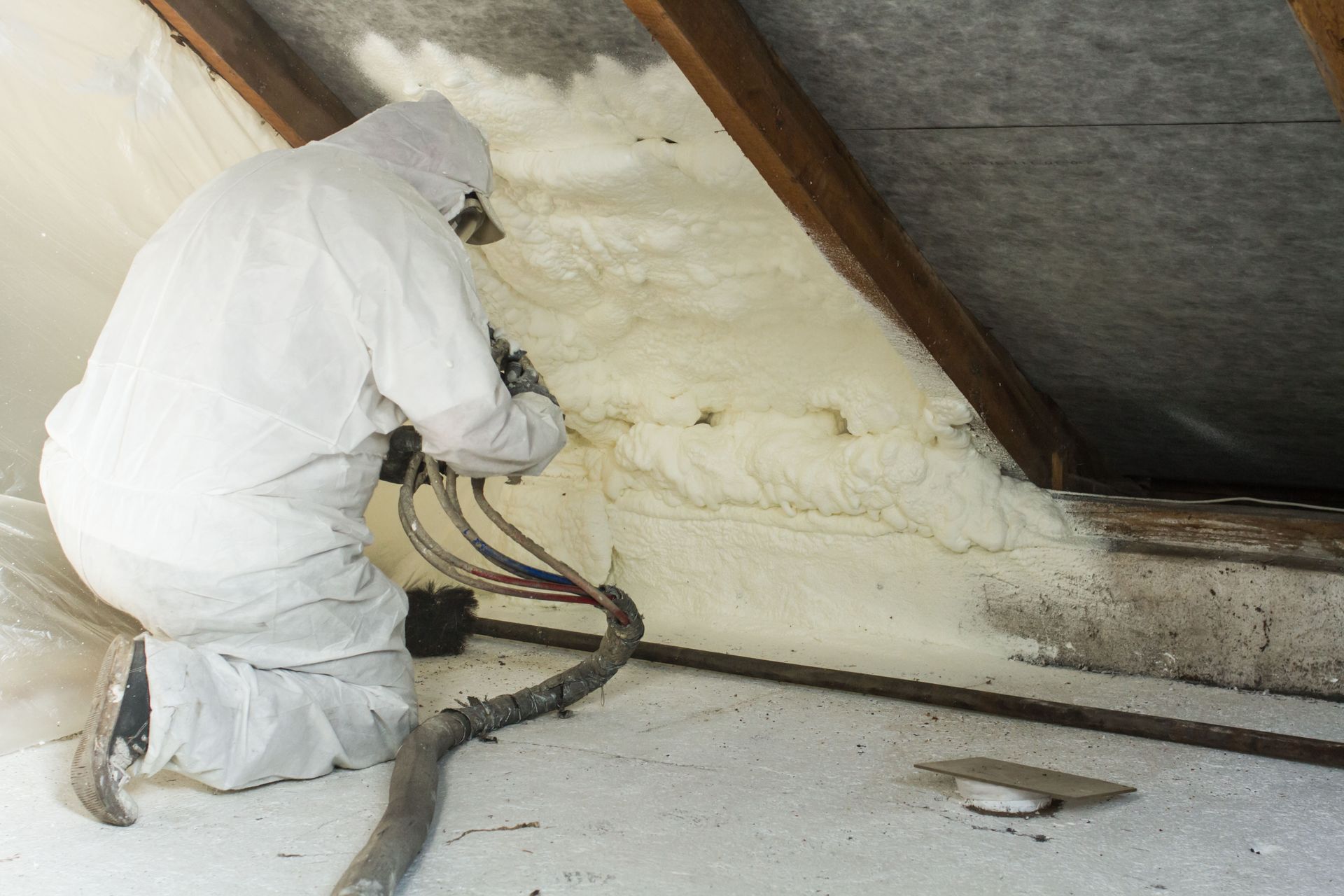
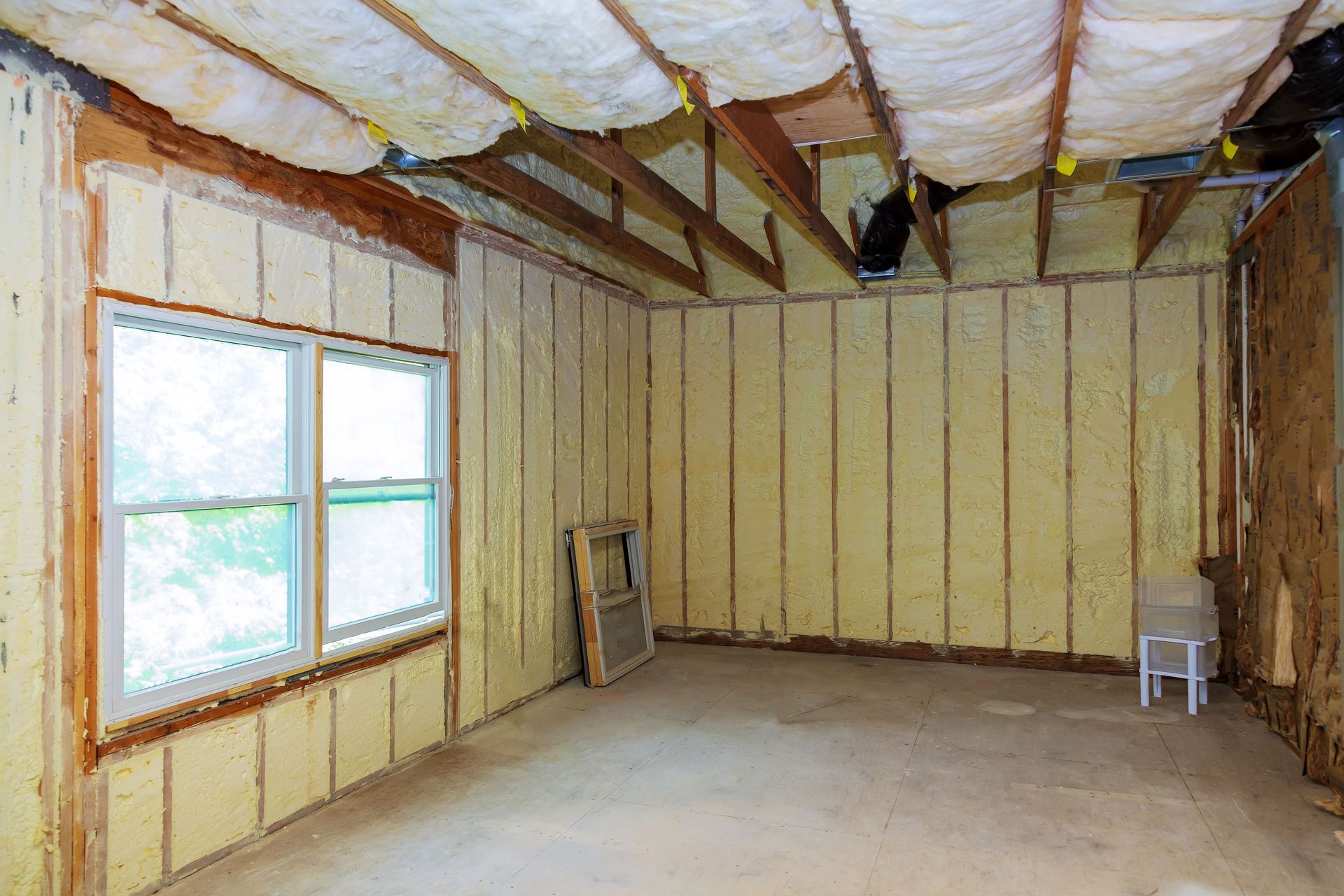
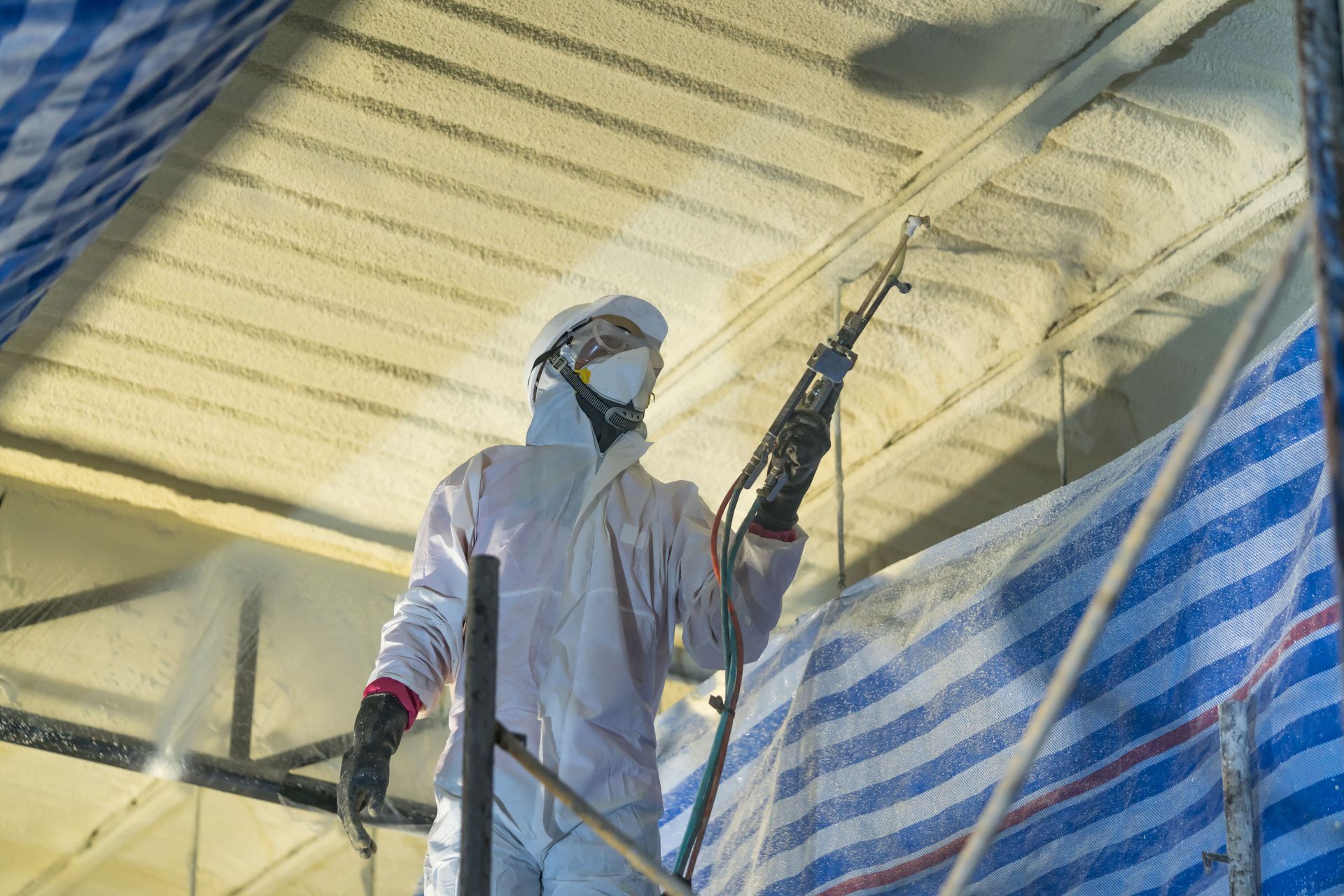
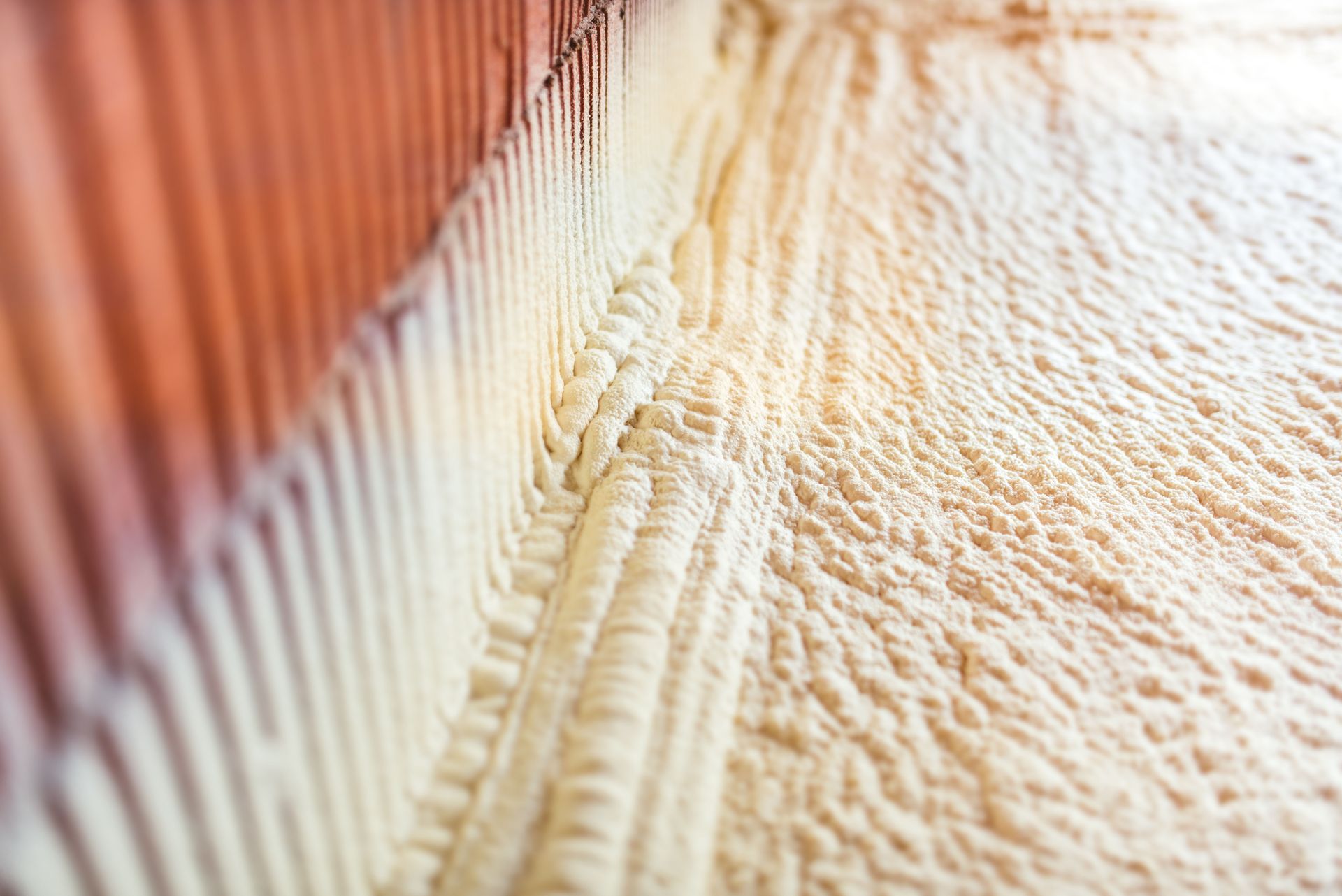
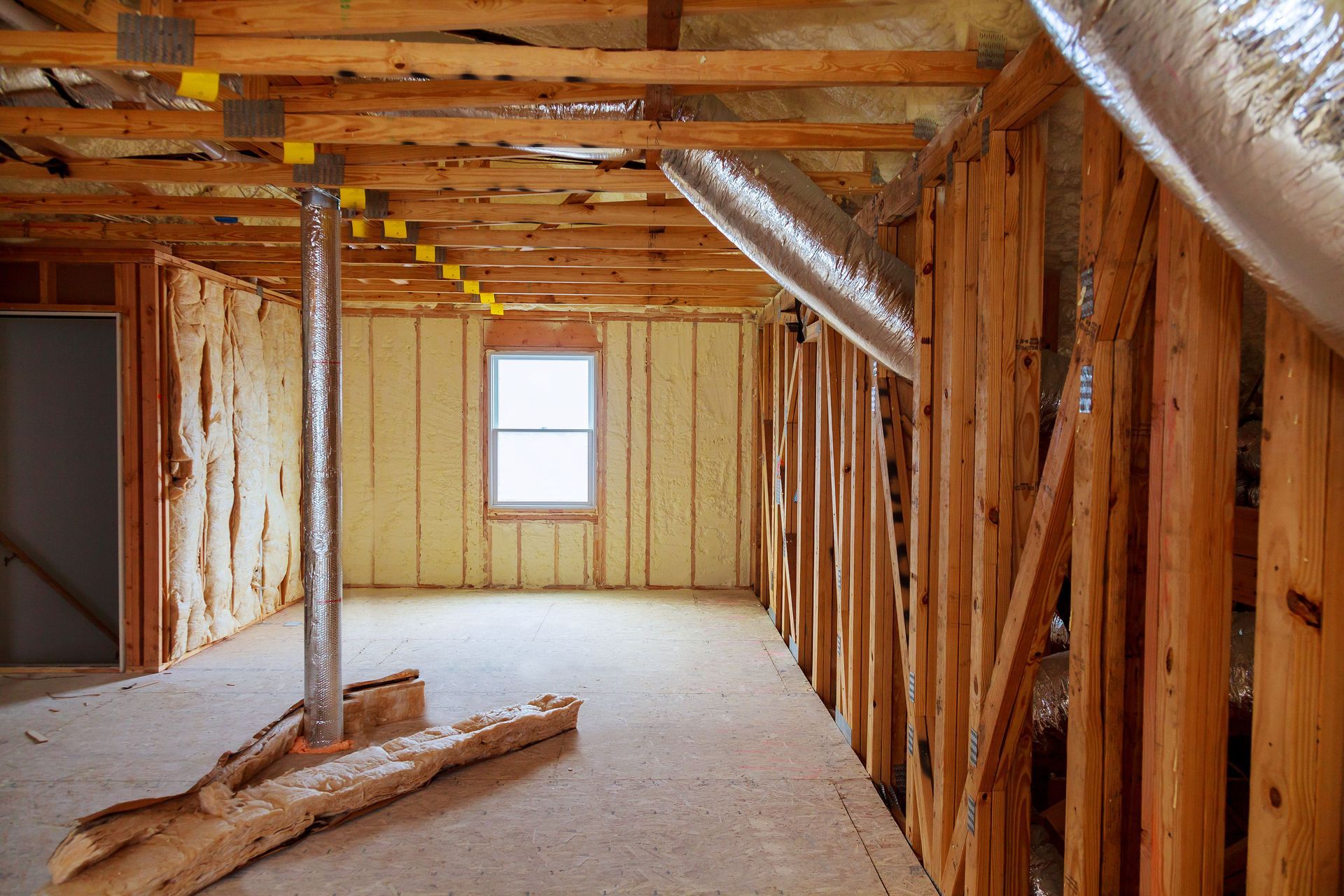
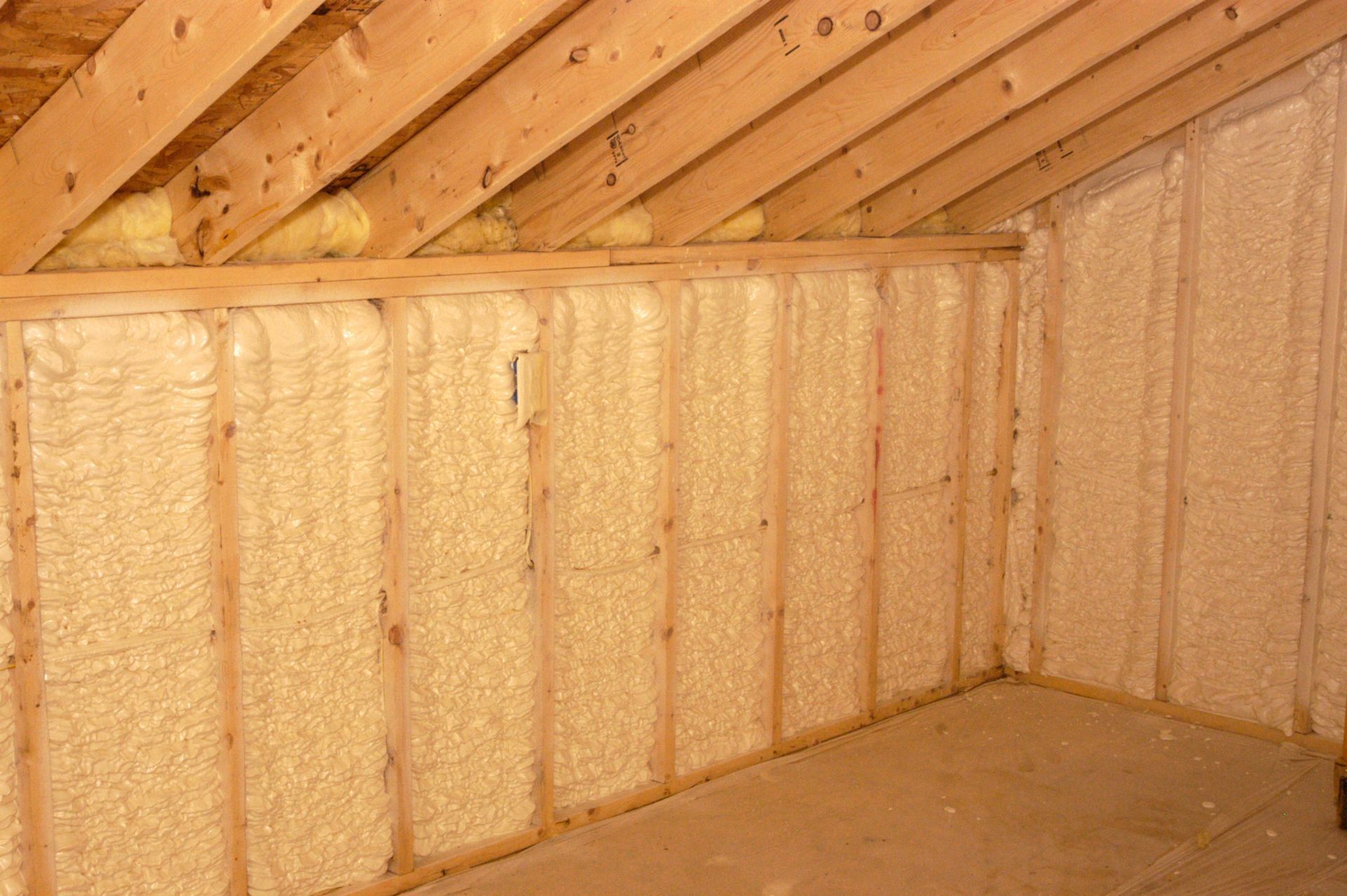
Spray foam insulation is produced by combining two liquid chemical compounds that react upon application, expanding rapidly to fill cavities, cracks, and voids. Unlike traditional blanket or loose-fill materials that must be cut or fitted manually around architectural obstacles, liquid foam expands directly against structural framing. This physical reaction allows the foam to swell up to thirty to sixty times its liquid volume within seconds. This expansion allows the material to conform perfectly to irregular studs, electrical boxes, pipes, and corner joints. Once cured, the foam creates a durable, rigid or semi-rigid matrix that will not sag, settle, or shift over time. Because the expanding foam adheres directly to building substrates, it forms a permanent barrier that won't shrink or break down over time. Utilizing professional local spray foam insulation services ensures the compound is mixed at precise temperatures and applied at proper depths for optimal expansion and adhesion.
Differentiating Between Open-Cell and Closed-Cell Spray Foam
When planning an insulation project, property owners must choose between open-cell and closed-cell polyurethane foam formulas based on their specific structural needs. Open-cell foam features a softer, flexible structure with lower density, making it an excellent choice for interior walls, soundproofing between rooms, and unvented attic assemblies. Closed-cell foam boasts a dense, rigid cell structure that provides exceptional thermal resistance per inch while acting as a built-in vapor barrier and adding structural strength to framing members. Closed-cell formulations excel in flood-prone areas, basements, crawl spaces, and exterior wall cavities where moisture resistance is critical. Expert local spray foam insulation services can evaluate your home’s specific architecture and local climate to recommend the ideal formula for each area of the structure.
Sealing the Attic and Roof Assembly
The attic space represents one of the largest sources of energy loss in traditional homes due to thermal buoyancy, often called the stack effect. As warm air rises during winter months, it seeks pathways through ceiling penetrations, light fixtures, and attic access hatches, escaping into the atmosphere and pulling cold air into lower levels. In summer, severe radiant heat from the roof bakes the attic, radiating downward into living areas below. According to Consumer Reports, adding insulation to a typical home's attic, floors, basement, and crawl spaces while also sealing unwanted air leaks can reduce total household energy use by an average of 11%. Applying foam along the underside of the roof deck seals the attic within the conditioned envelope, keeping ductwork cool in summer and warm in winter. Contracting local spray foam insulation services for attic encapsulation stops thermal buoyancy in its tracks, stabilizing indoor temperatures year-round.
Protecting Basements, Crawl Spaces, and Rim Joists
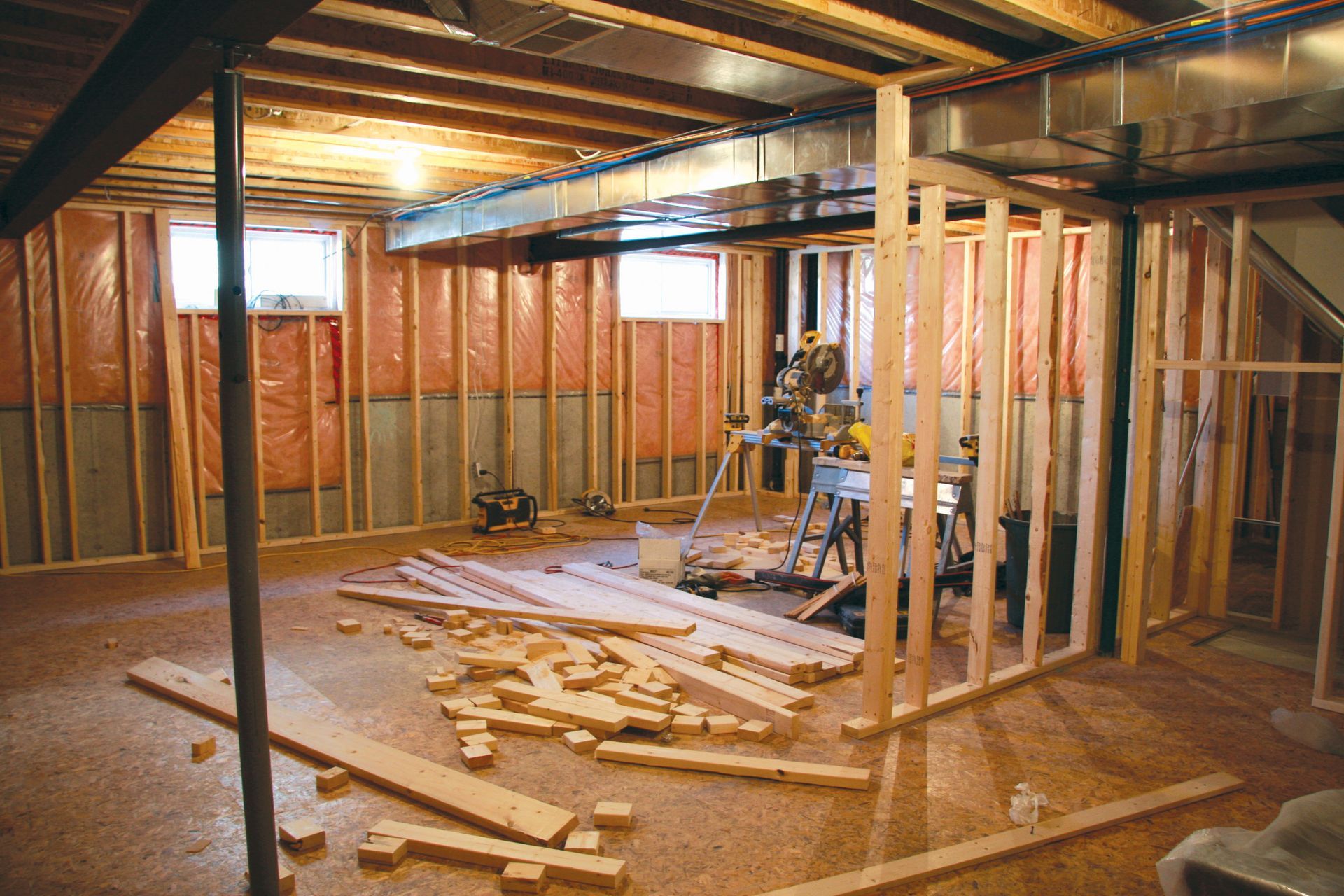
The lower boundaries of a home are equally vulnerable to air infiltration and conductive energy loss. Uninsulated crawl spaces and basements introduce cold floors, high moisture levels, and musty odors into living areas above. The rim joist—the perimeter framing where the wooden structure rests on the concrete foundation—is notoriously difficult to seal with conventional fiberglass batts, leaving massive gaps for cold air intrusion. Sealing these lower zones effectively isolates your home from ground moisture and cold subsoil temperatures. Spray foam expands seamlessly across rim joists, foundation walls, and dirt crawl space encapsulation barriers, blocking moisture, humidity, and drafty air currents. Securing local spray foam insulation services to seal these lower zones prevents cold air from rising through subflooring, eliminating drafty floors and protecting under-floor plumbing from freezing during severe winter storms.
Enhancing Indoor Air Quality and Environmental Comfort
Beyond direct utility bill savings, addressing thermal envelope deficiencies yields substantial improvements in day-to-day comfort and indoor air quality. Traditional fibrous insulation materials can trap dust, pollen, pest dander, and moisture, creating breeding grounds for mold and mildew that deteriorate indoor air. Because expanded foam forms an impermeable air barrier, it prevents outside pollutants, allergens, and wildfire smoke from infiltrating the home through wall voids. Furthermore, eliminating hot and cold spots eliminates drafts, creating balanced, uniform room temperatures from floor to ceiling. Many homeowners notice an immediate reduction in airborne dust and outdoor noise levels right after the installation is complete. Relying on certified local spray foam insulation services ensures your home maintains a cleaner, healthier living environment with reduced dust accumulation and improved humidity control.
Maximizing Long-Term Investment and Energy ROI
While modern polyurethane insulation requires a higher initial investment than basic fiberglass batts, the long-term return on investment makes it one of the most cost-effective home upgrades available. Decreased reliance on heating and air conditioning reduces monthly electricity and natural gas bills, helping offset the upfront cost over time. Additionally, reducing the operational strain on HVAC compressors and furnaces extends equipment lifespans, delaying expensive heating system replacements. Lowering the mechanical workload on your HVAC system also leads to significantly fewer annual repair visits and emergency service calls. Homes with high-efficiency insulation profiles also command higher resale values, as modern home buyers increasingly prioritize low utility costs and sustainable building features. Investing in local spray foam insulation services transforms an ongoing operational expense into a permanent structural asset that protects your home for decades.
Achieving complete household energy efficiency requires moving past outdated insulation methods and embracing advanced air-sealing technology. Uncontrolled air leaks and under-insulated structural assemblies force homeowners to pay higher utility bills for inferior interior comfort. By installing expanding polyurethane foam across attics, exterior walls, and subfloors, property owners can seal off thermal bridges, control moisture, and optimize HVAC performance. Working with experienced, licensed local spray foam insulation services provides the technical expertise, proper safety equipment, and precision needed to execute a flawless installation. Taking control of your thermal envelope today secures lower energy costs, superior living comfort, and lasting structural protection for the future. Contact Sanchez Insulation Inc today to schedule your home consultation and start cutting your energy costs with modern spray foam insulation.
Share On: