

Why Insulation Professionals Support Better Air Quality
Indoor air quality plays a major role in the health, comfort, and efficiency of any home or commercial building. While many people focus on heating, cooling, and ventilation systems, insulation is another critical factor that directly affects the quality of the air occupants breathe every day. Proper insulation helps create a healthier indoor environment by reducing drafts, controlling moisture, limiting pollutants, and improving energy efficiency.
This is why insulation professionals consistently emphasize the importance of quality insulation. Their work extends beyond temperature control and energy savings. By creating tighter building envelopes and reducing unwanted air infiltration, insulation professionals help improve indoor air quality while supporting healthier living and working spaces.
Understanding the Link Between Insulation and Air Quality
Insulation acts as a protective barrier between indoor and outdoor environments. It helps maintain stable indoor temperatures by reducing heat transfer through walls, ceilings, floors, and roofing systems. While temperature regulation is one of the most recognized benefits, insulation also contributes significantly to indoor air quality.
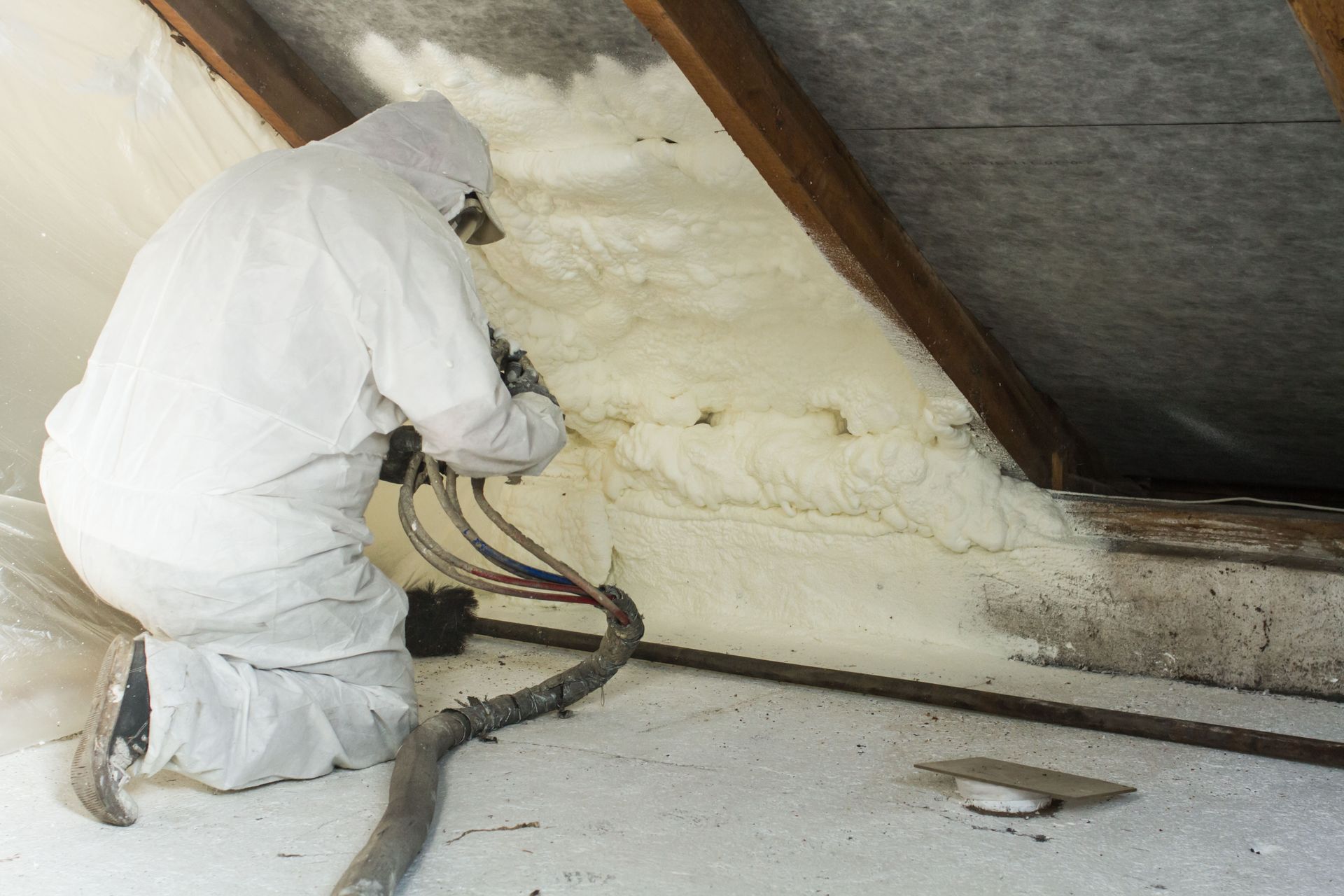
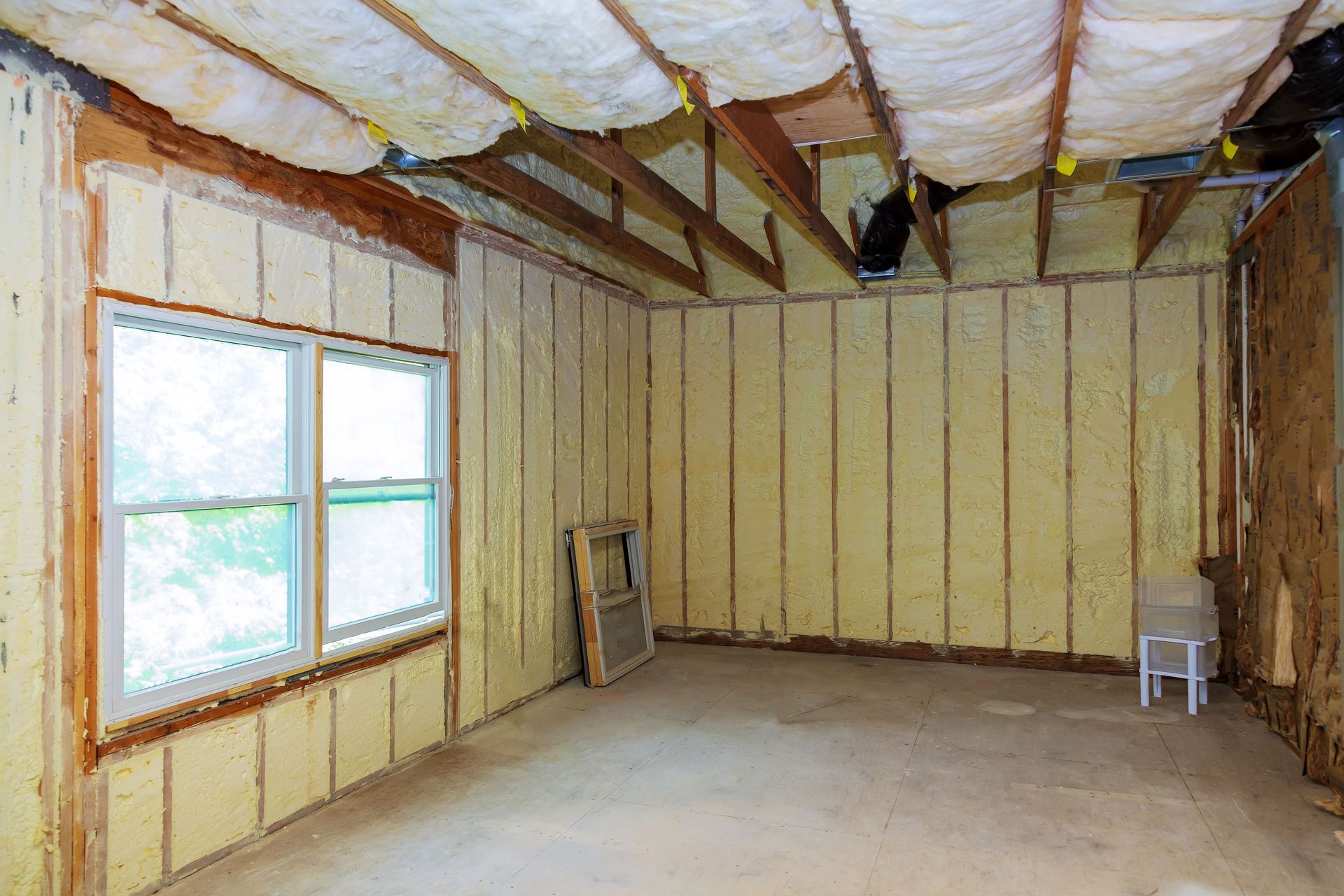
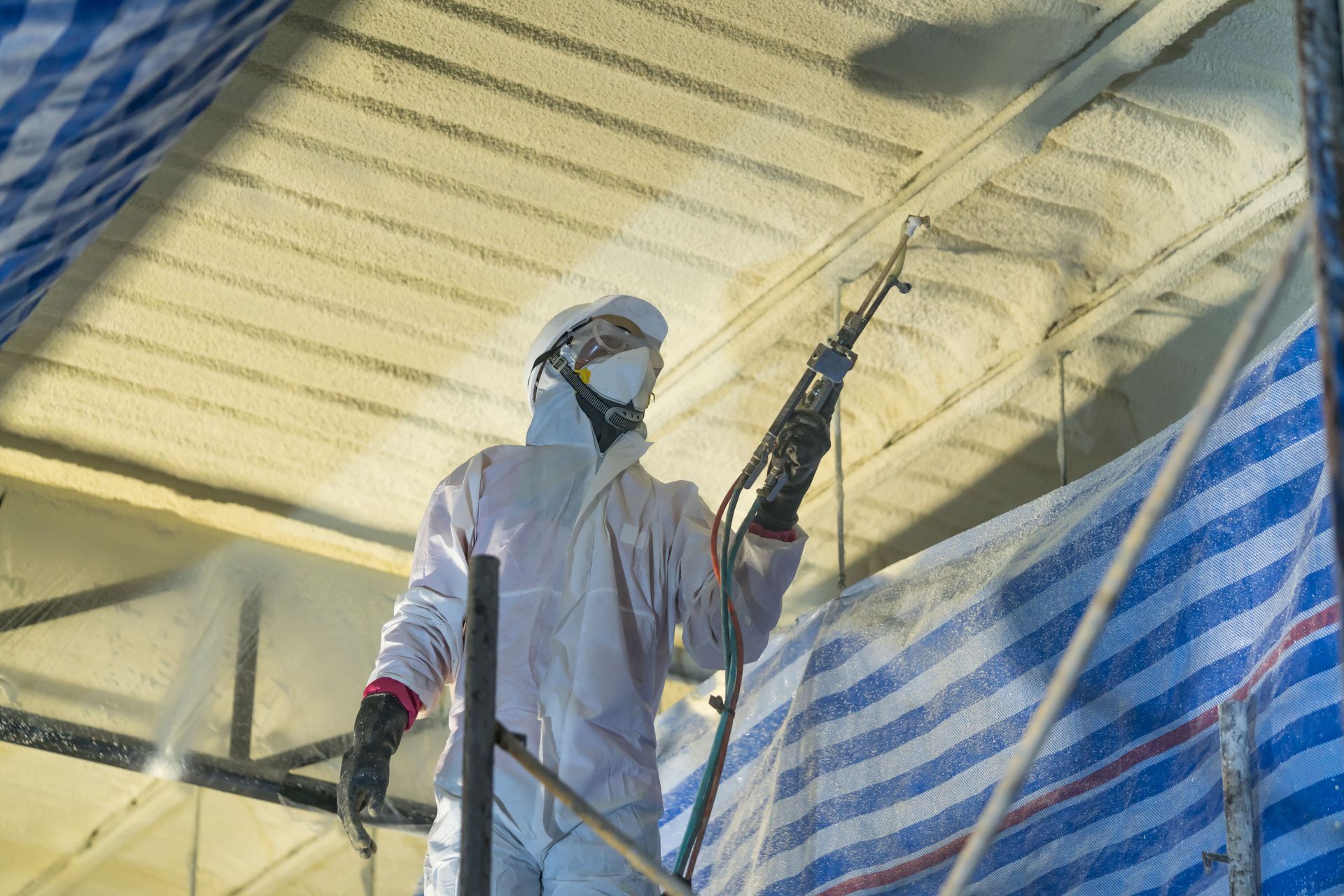
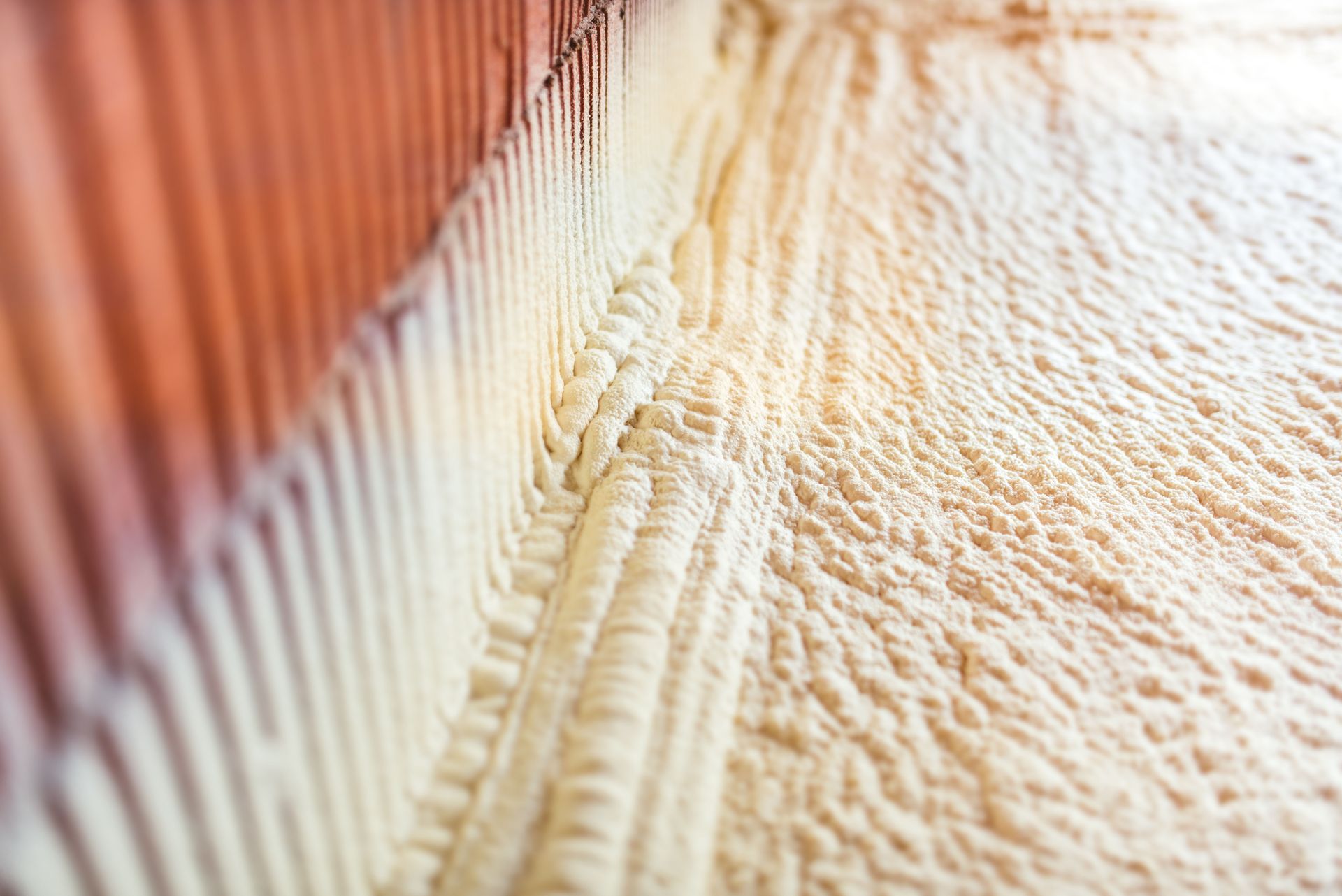
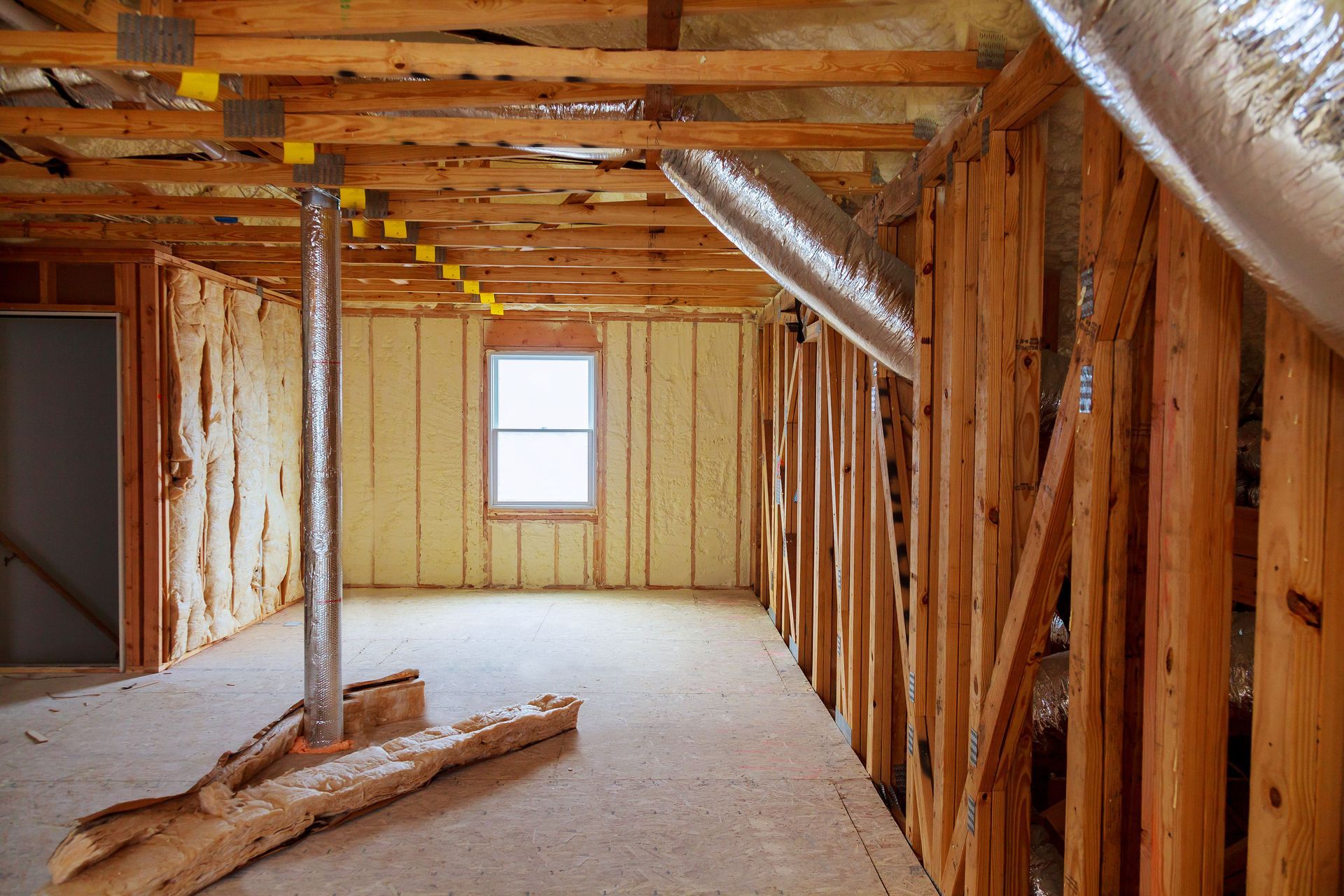
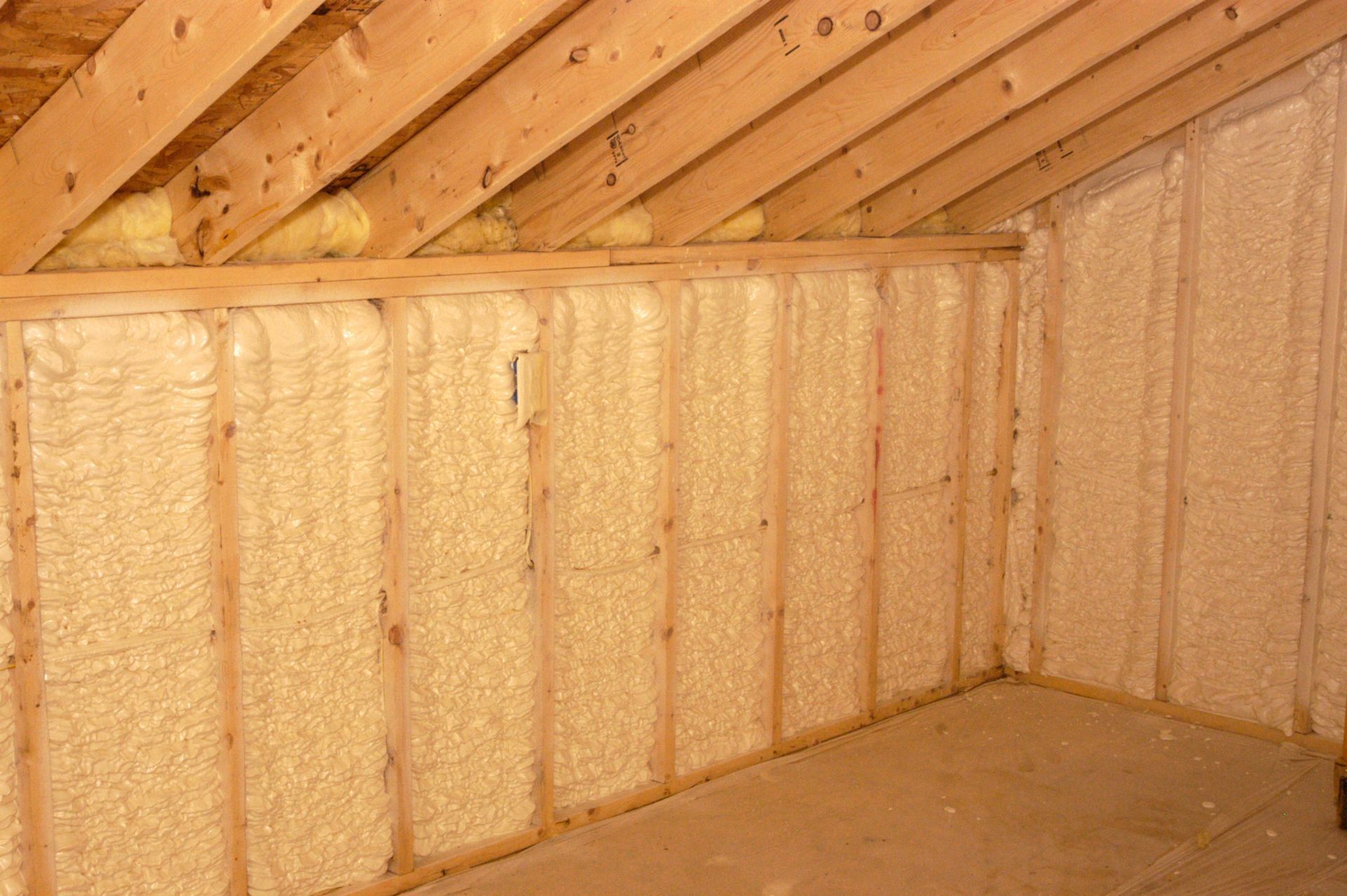
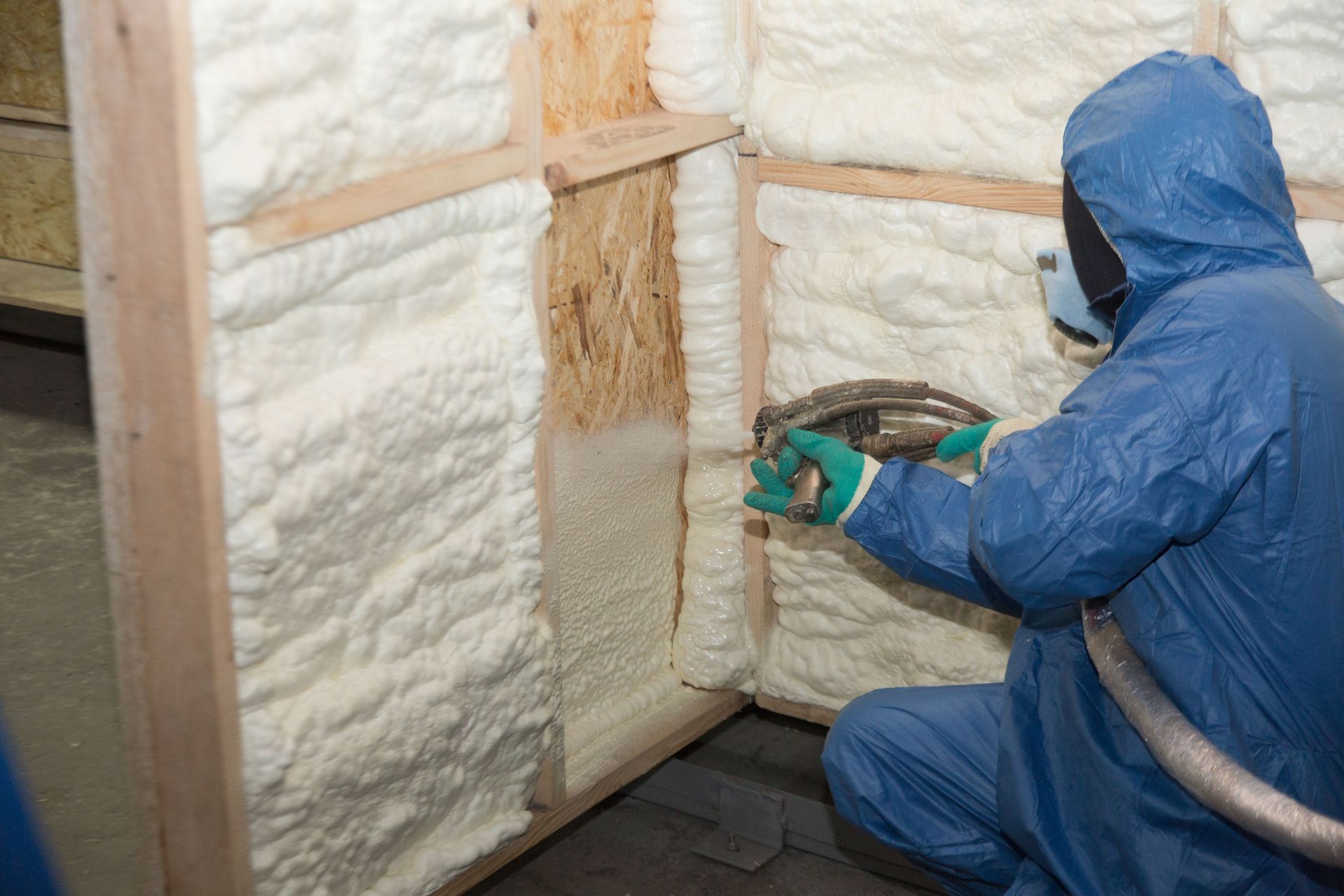
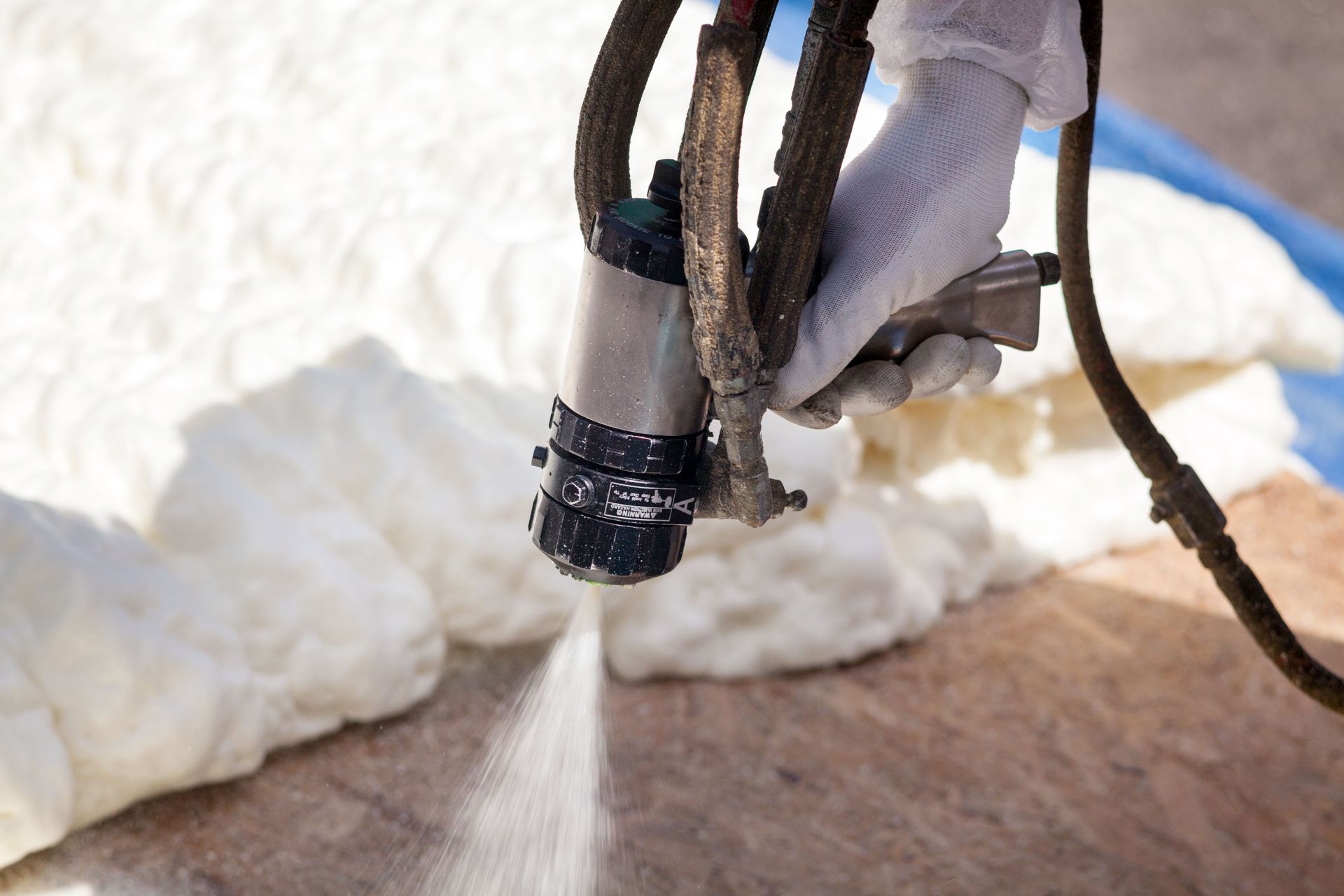
Outside air often carries dust, pollen, pollutants, and other airborne contaminants. Gaps, cracks, and poorly insulated areas allow these particles to enter a building. Proper insulation helps seal many of these openings, reducing the amount of unwanted pollutants that find their way indoors. Many insulation professionals recommend solutions that improve both thermal performance and air sealing. Spray foam insulation is one example. According to Global Market Insights Inc., one of the primary reasons spray foam is widely used in commercial construction is its ability to create continuous air seals and insulation across difficult surfaces such as roofs, walls, and corners. This uninterrupted barrier helps limit air leakage and supports cleaner indoor environments.
Modern buildings often strive for greater air tightness because uncontrolled air movement can affect comfort, efficiency, and air quality. However, airtight construction works best when paired with proper ventilation systems. Experienced insulation professionals understand the importance of balancing insulation and ventilation to create healthy indoor spaces that receive fresh air while minimizing pollutants.
Reducing Allergens and Airborne Contaminants
One of the biggest benefits of proper insulation is its ability to reduce the infiltration of allergens and airborne particles. Dust, pollen, mold spores, and other contaminants can enter through gaps in a building's structure and circulate throughout the interior.
When insulation effectively seals these openings, fewer contaminants enter the building. This can be particularly beneficial for individuals who suffer from allergies, asthma, or other respiratory conditions. Cleaner indoor air often leads to greater comfort and fewer symptoms associated with airborne irritants.
Many insulation professionals recognize that controlling air leakage is one of the most effective ways to improve indoor environmental quality. By reducing the movement of outside air into the building, insulation creates a more controlled indoor atmosphere where contaminants are easier to manage.
In addition to blocking outdoor pollutants, insulation can also help limit moisture intrusion. Excess moisture often contributes to mold growth, which can negatively affect indoor air quality. Properly installed insulation helps prevent condensation and moisture accumulation that may create conditions favorable to mold development.
Supporting Healthier Living Environments
Air quality directly impacts overall health. Poor indoor air quality has been linked to respiratory issues, headaches, fatigue, and discomfort. Since many people spend the majority of their time indoors, maintaining clean indoor air should be a priority for homeowners and business owners alike.
By reducing pollutants and moisture-related problems, insulation helps create healthier indoor environments. This benefit extends to people of all ages, including children, older adults, and individuals with respiratory sensitivities. Many insulation professionals emphasize that insulation should be viewed as part of a larger indoor health strategy. When combined with proper ventilation, moisture control, and routine maintenance, insulation helps support a healthier atmosphere throughout the building. Improved air quality can also contribute to better sleep and overall comfort. Stable indoor temperatures and reduced drafts create more consistent living conditions, which can positively affect daily well-being.
The Relationship Between Energy Efficiency and Air Quality
Energy efficiency and indoor air quality often go hand in hand. Buildings that are properly insulated require less energy to maintain comfortable temperatures. Heating and cooling systems do not need to work as hard, which can reduce wear and extend equipment life.
When HVAC systems operate more efficiently, they can also contribute to better indoor air management. Consistent operation allows systems to filter air more effectively and maintain comfortable humidity levels. Insulation professionals frequently help homeowners reduce energy waste by identifying areas where conditioned air escapes. Sealing these areas not only lowers utility bills but also improves indoor comfort and air quality.
Lower energy consumption benefits more than just individual property owners. Reduced energy use decreases demand on power generation systems and contributes to lower greenhouse gas emissions. This connection highlights how insulation improvements can support both personal and environmental goals.
Long-Term Environmental Benefits
The environmental advantages of insulation extend well beyond individual buildings. Proper insulation reduces the amount of energy required to heat and cool structures, which helps conserve resources and lower emissions. As building standards continue to evolve, many insulation professionals focus on materials and techniques that support sustainability. Modern insulation products often include recycled content or renewable resources that help reduce environmental impact while maintaining strong performance.
Well-insulated buildings also experience less strain on heating and cooling systems, reducing the need for equipment replacement and lowering overall resource consumption. These long-term benefits contribute to more sustainable construction practices and support broader environmental objectives.
Improving insulation is one of the most practical ways property owners can reduce their environmental footprint without sacrificing comfort. Through energy conservation and reduced emissions, insulation plays an important role in supporting a more sustainable future.
Advancements in Insulation Technology
The insulation industry continues to evolve with new materials and technologies designed to improve performance and indoor environmental quality. Advanced insulation products offer better thermal resistance, improved air sealing capabilities, and enhanced durability.
Some modern systems are designed to integrate with smart building technologies. These systems can help monitor indoor conditions and support more efficient energy management. As technology advances, insulation professionals are increasingly able to provide solutions tailored to the specific needs of each property.
Innovations in insulation materials have also focused on reducing emissions and improving environmental performance. Manufacturers continue to develop products that deliver strong insulating properties while minimizing environmental impact. These advancements allow insulation professionals to address a wider range of building challenges while helping property owners achieve their comfort, efficiency, and air quality goals.
The Importance of Proper Installation
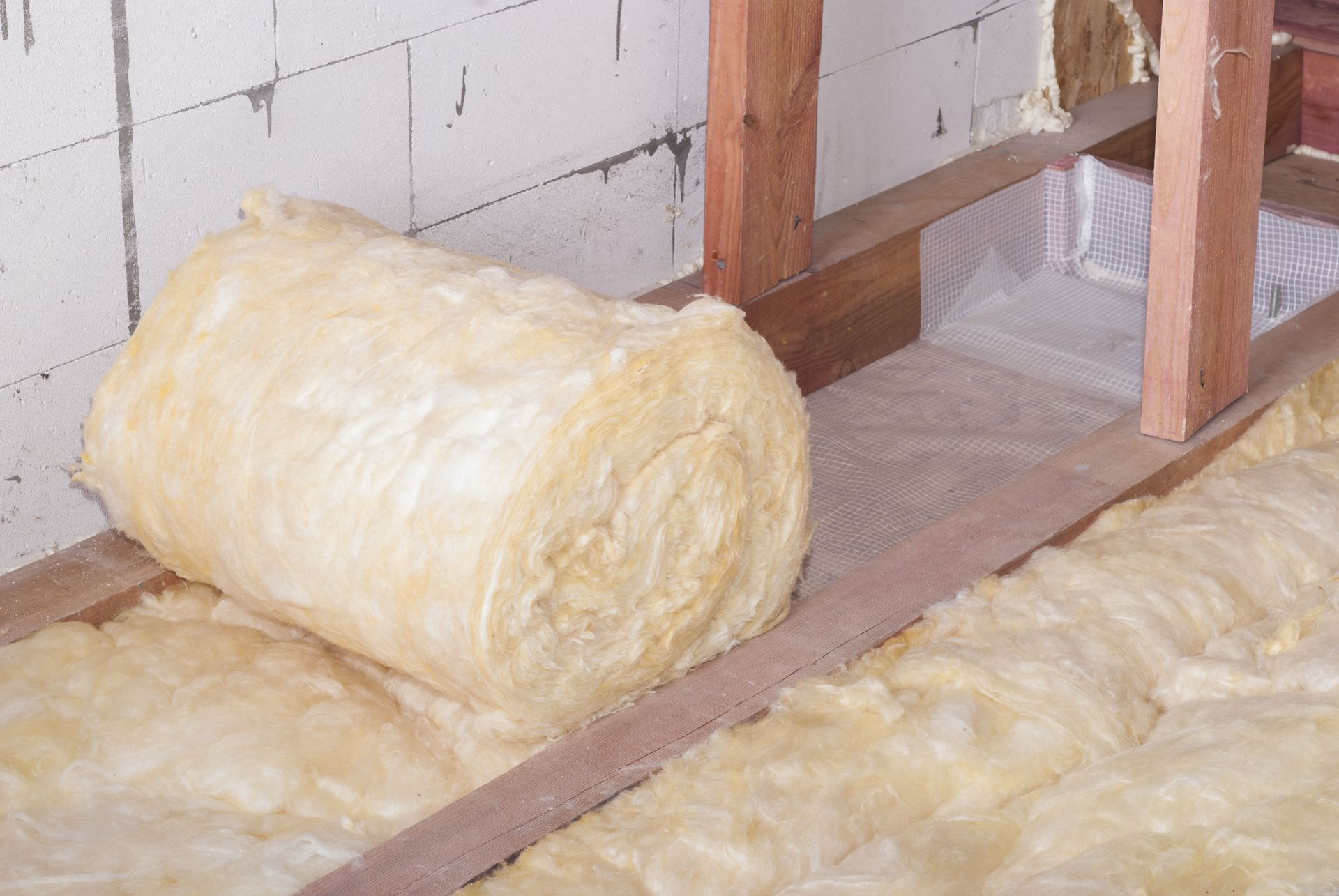
Even the best insulation products can underperform if they are not installed correctly. Gaps, compression, and incomplete coverage can significantly reduce effectiveness and allow unwanted air movement. This is one reason why experienced insulation professionals play such an important role in building performance. Proper installation ensures that insulation delivers the intended benefits for energy efficiency, comfort, and indoor air quality.
Professional installation also helps identify problem areas that may otherwise go unnoticed. Air leaks around windows, doors, attics, and wall penetrations can compromise both efficiency and air quality if left unaddressed. By following industry best practices and using appropriate materials, insulation professionals help maximize the performance of insulation systems and support healthier indoor environments.
Many homeowners are unaware of the connection between insulation and air quality. They often associate insulation solely with temperature control and energy savings. However, the benefits extend much further. Education plays an important role in helping property owners understand how insulation affects overall building performance. Insulation professionals frequently provide guidance on air sealing, ventilation, moisture control, and insulation upgrades that contribute to healthier indoor spaces.
Whether upgrading an older property or improving a new construction project, working with qualified insulation professionals can help ensure the best possible results. If you are looking to improve comfort, efficiency, and indoor air quality in your home or commercial property, contact Sanchez Insulation Inc. today. Our experienced team of insulation professionals can provide customized solutions designed to create healthier, more energy-efficient spaces for years to come. Contact us today!
Share On: