

What Is Spray Foam Insulation? Open-Cell vs. Closed-Cell Explained
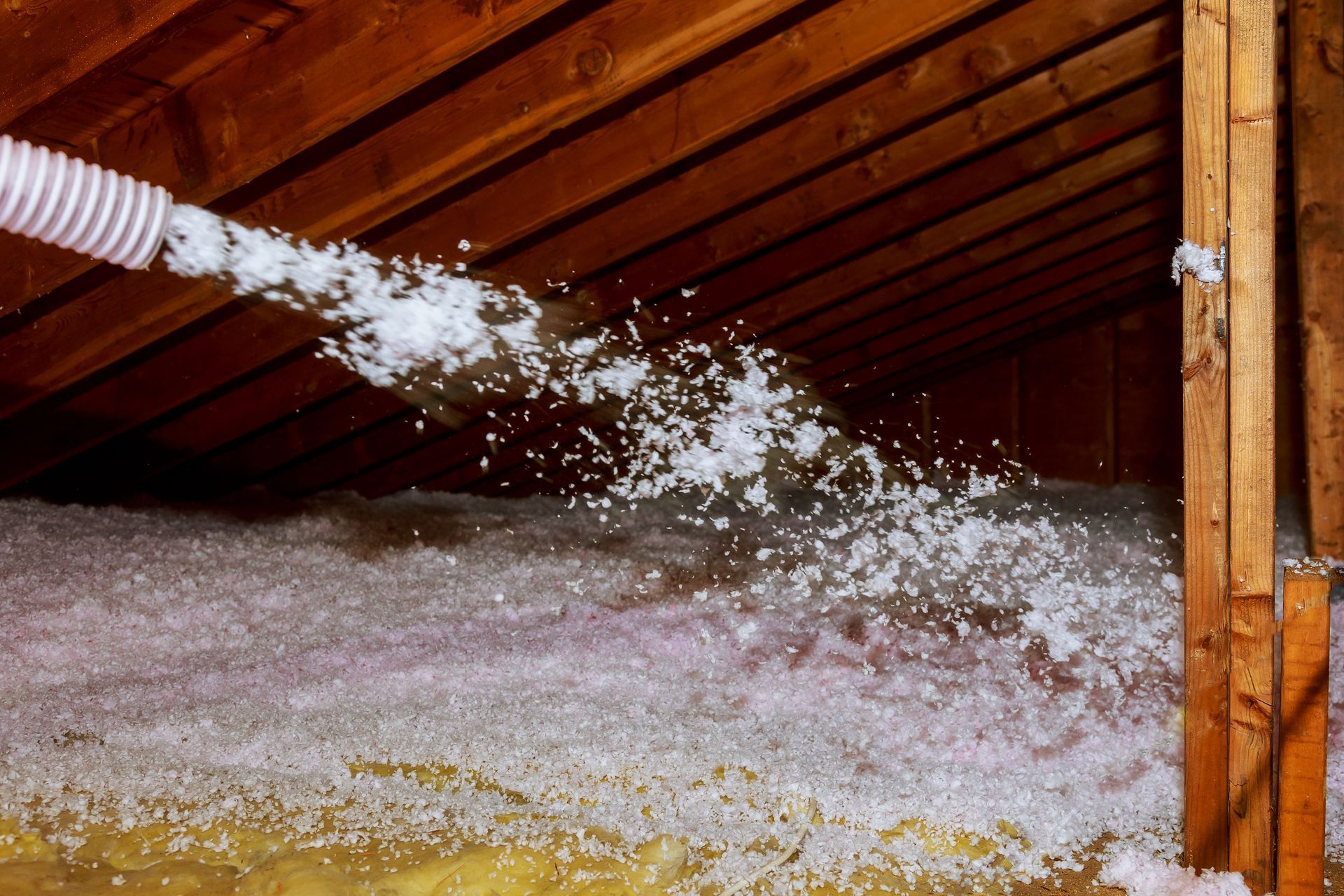
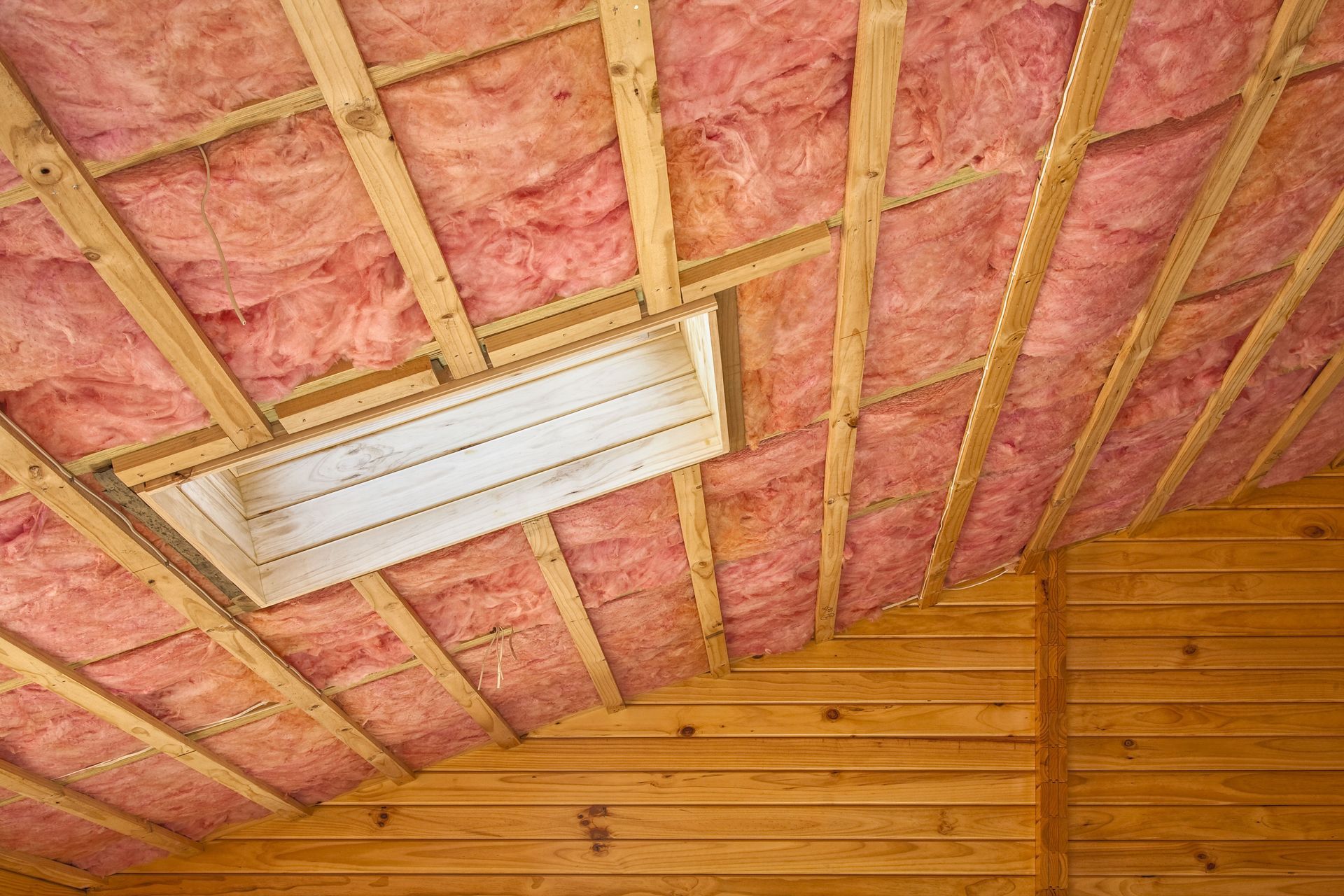
Maintaining a comfortable indoor environment year-round requires a reliable, continuous barrier against harsh outside temperature extremes and unexpected drafts. When it comes to modern building envelope solutions, high-performance insulation stands out as one of the most effective ways to lower utility bills and significantly improve structural energy efficiency. Traditional materials like fiberglass batts or blown-in cellulose have served property owners for decades, but modern chemical technology has introduced more durable, air-sealing alternatives. Thoroughly understanding how these advanced barriers function and choosing the right formulation for your specific residential or commercial property can make a significant, lasting difference in overall long-term interior comfort and energy savings.
Understanding the Basics of Spray Foam Insulation
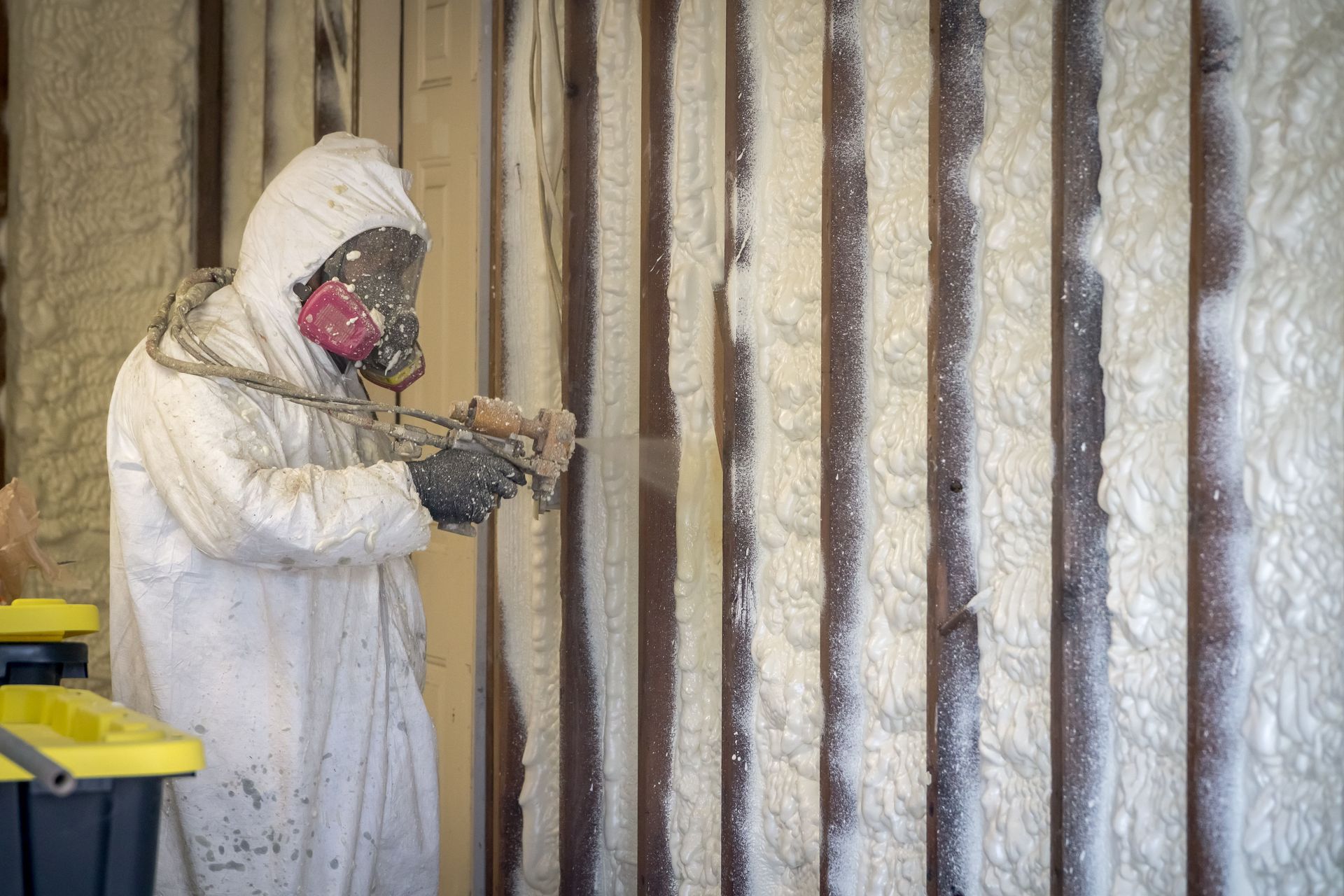
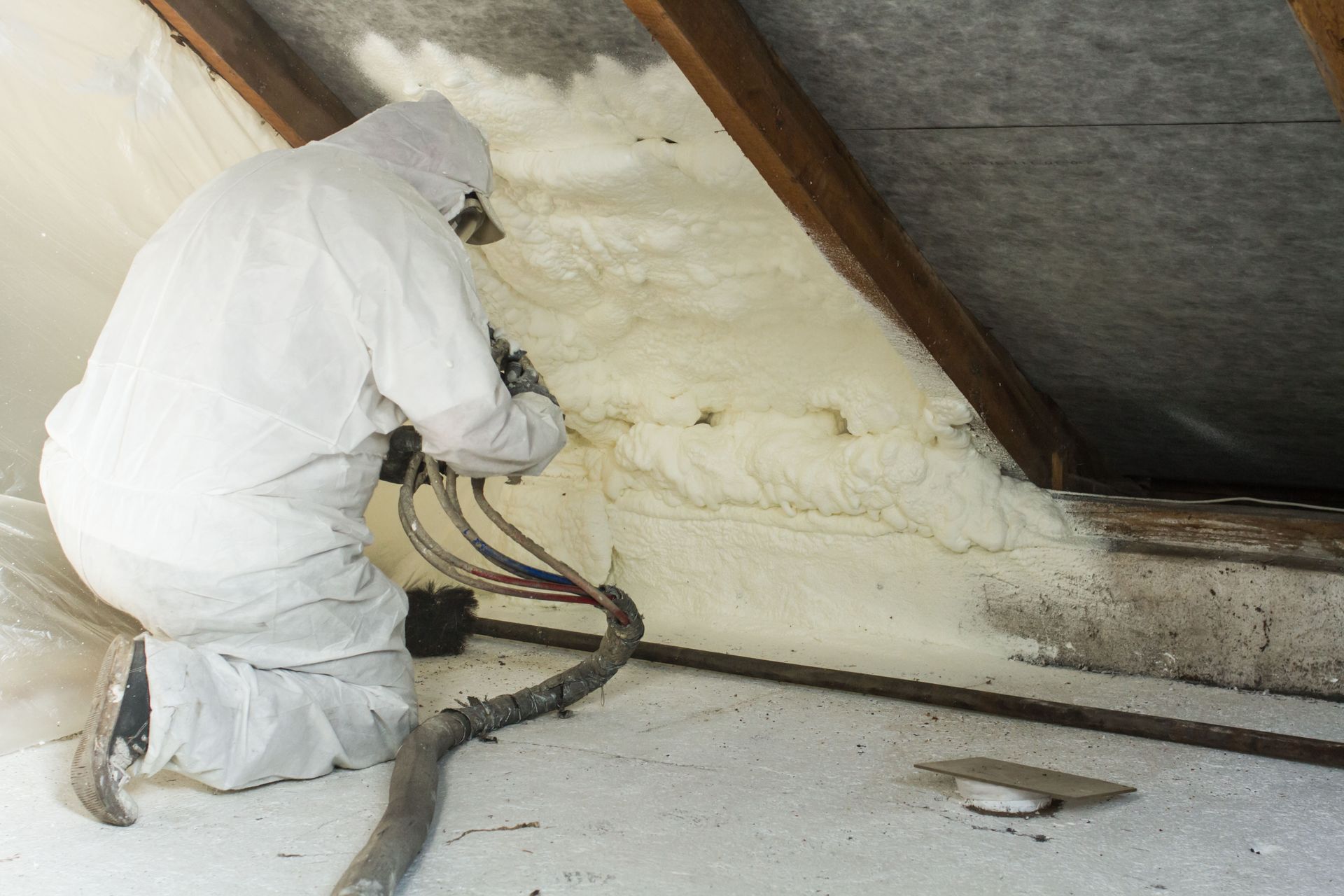
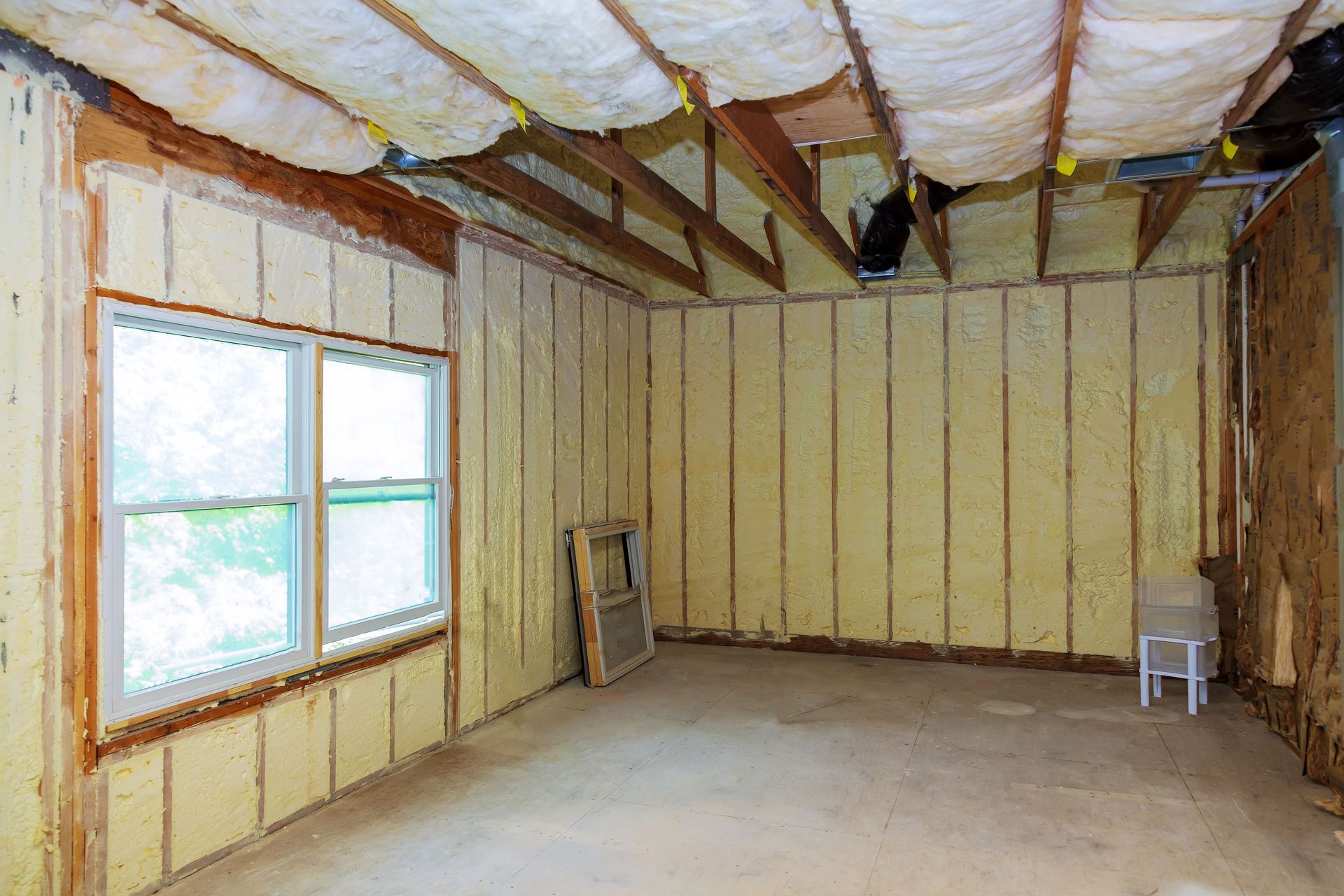
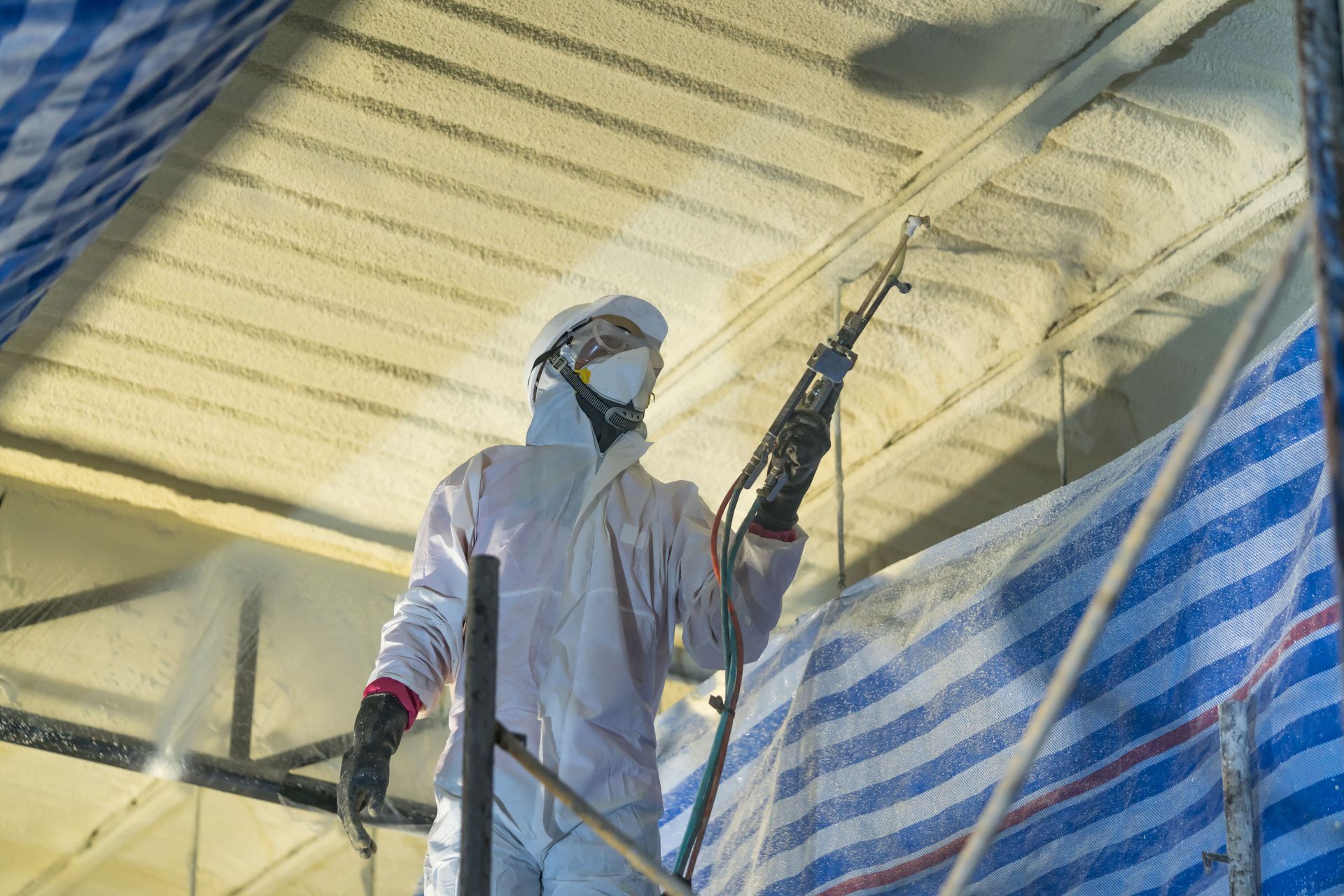
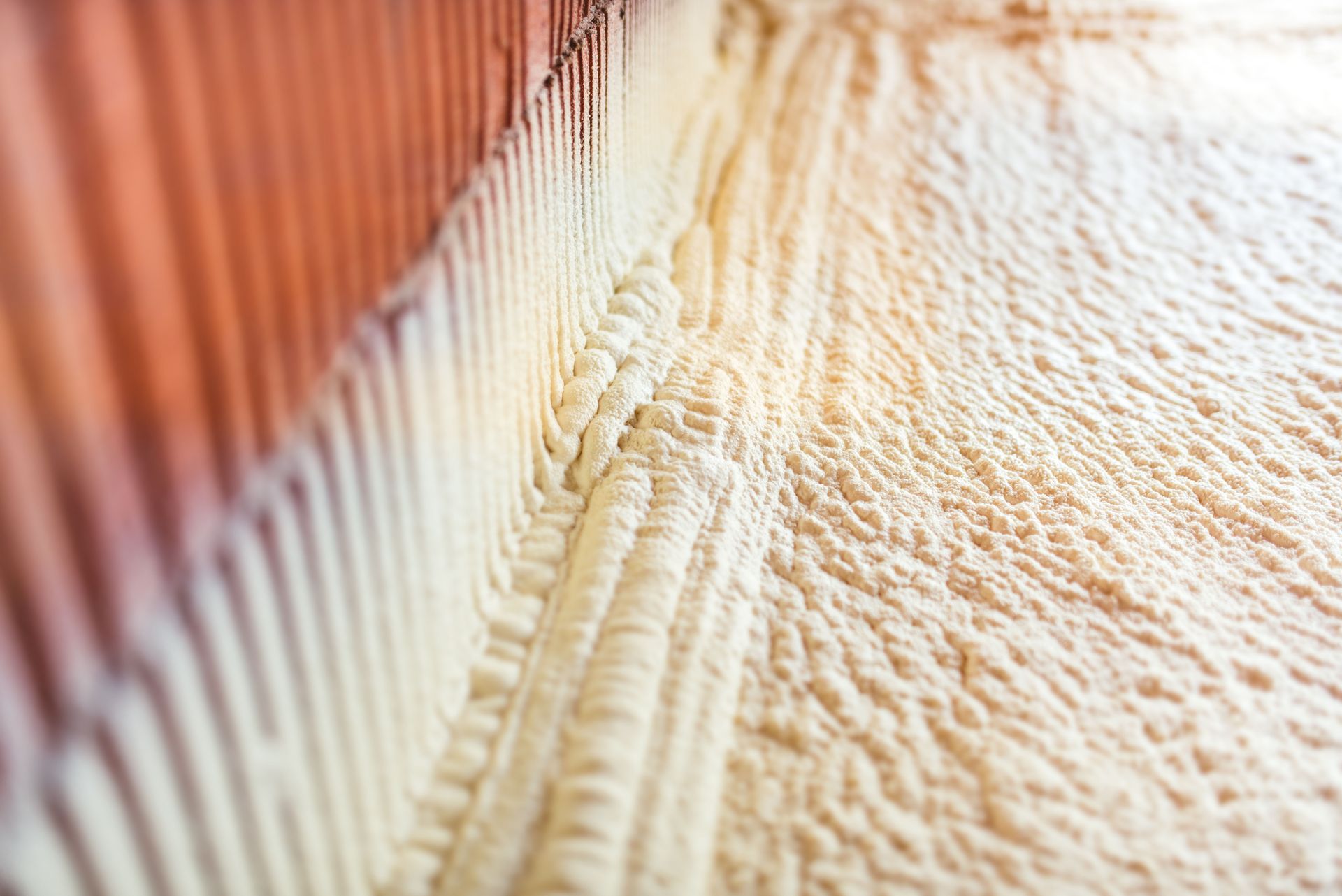
Fundamentally, spray foam insulation is a specialized synthetic compound created by blending two liquid ingredients, polyol resin and an isocyanate catalyst, under high pressure as they pass through an application nozzle. Once sprayed onto a target surface, the formula expands quickly, curing into a firm, reliable thermal barrier. Rather than leaving gaps or depending on mechanical fasteners like traditional products, this expanding solution bonds directly to roof decks, concrete, and wall studs. The seamless coverage effectively closes structural seams, voids, and hidden cracks, producing an airtight seal that blocks outside drafts and stops treated air from leaking out.
The chemical science behind this thermal boundary has a long and proven track record in heavy industry. According to Home Logic, although spray foam originated during the 1940s for military use, it was adapted for home insulation approximately 10 years after its initial introduction. Today, professional installers use advanced mobile rigs and precise temperature-controlled equipment to apply these formulations in attics, basements, exterior walls, and commercial structures. Because it seals as it expands, spray foam insulation addresses thermal bridging and air leaks simultaneously, outperforming traditional products that only retard heat transfer without stopping air movement.
Exploring the Mechanics of Open-Cell Formulations
Open-cell formulations create flexible, lightweight insulating barriers defined by microscopic cells that remain deliberately unsealed. Throughout expansion, the blowing agent forms small bubbles that burst, leaving tiny interconnected voids within the product's internal matrix. This structural design results in a soft, pliable consistency once cured, with a low density generally averaging 0.5 pounds per cubic foot. Since the compound expands dramatically upon spraying, frequently swelling to 100 times its liquid state, it easily packs tight crevices, irregular framing channels, and hard-to-reach voids in older structures and new construction alike.
Despite its lighter density, open-cell spray foam insulation offers exceptional thermal resistance and unmatched sound-dampening qualities. The porous matrix effectively traps airborne sound waves, making it an ideal selection for interior walls, floor joists, and media rooms where noise reduction between spaces is a top priority. While open-cell formulations allow water vapor to pass through slowly, meaning they don't serve as vapor barriers, they still stop bulk air movement completely. This property makes open-cell an economical, highly effective choice for interior wall cavities and unvented attic spaces in areas protected from direct moisture intrusion.
Examining the Performance of Closed-Cell Formulations
Closed-cell formulations represent a dense, heavy-duty thermal solution specifically designed for maximum overall durability and superior long-term moisture resistance. In these advanced chemical mixtures, the microscopic cells remain entirely intact and completely sealed off from one another, trapping expanding blowing agents inside the tiny closed pockets. This high-density construction, typically weighing around two pounds per cubic foot, results in a rigid, hard structure that adds significant physical strength to wall assemblies and roof decks. Because the sealed cells block both air movement and moisture migration, closed-cell materials function as high-performance air barriers, thermal insulators, and protective class II vapor retarders all in a single application step.
The physical rigidity and exceptional thermal density of closed-cell spray foam insulation make it the preferred choice for demanding environments like basements, crawl spaces, and commercial structures. With a thermal resistance rating often exceeding R-6 to R-7 per inch of thickness, closed-cell products provide maximum insulating power in tight spaces where cavity depth is limited. Additionally, its impermeable nature protects structures against liquid water penetration, flood risk, and high-humidity environments. Whether installed along foundation walls or applied beneath roof decks, closed-cell options offer incredible long-term protection against the elements while structural strength is noticeably enhanced.
Weighing the Differences Between Each Choice
Choosing between open-cell and closed-cell options requires evaluating several critical factors, including project budget, structural location, moisture exposure, and local climate conditions. Open-cell materials provide a cost-effective method for filling large wall voids and dampening sound within interior spaces, making them a popular pick for standard residential framing projects. On the other hand, closed-cell materials require more raw material per square foot and higher application density, which increases initial investment costs. However, closed-cell delivers superior R-value per inch, structural reinforcement, and moisture resistance that open-cell options simply can't match in extreme or below-grade settings.
Application environment usually dictates which specific product will deliver the overall best return on investment for your property. For instance, an open-cell system might be ideal for insulating an attic or upper-floor interior walls, where sound attenuation and upfront budget efficiency are paramount concerns. Conversely, a damp crawl space, an exposed metal building, or a sub-grade basement wall demands the superior moisture-blocking power and high thermal performance of closed-cell spray foam insulation. Consulting with experienced, certified installers ensures that your residential or commercial property receives the precise formulation required to optimize daily energy performance, satisfy local building codes, and deliver reliable indoor climate comfort for years to come.
Realizing the Advantages for Your Property
Upgrading your home or commercial building with high-efficiency thermal barriers yields immediate and noticeable improvements in daily comfort and energy performance. By virtually eliminating drafty air leaks and sealing structural gaps, professional installation stabilizes indoor temperatures and reduces the overall workload placed on heating and cooling equipment. Property owners frequently experience significant reductions in monthly utility expenses after sealing their building envelopes. Beyond energy savings, proper air sealing prevents dust, pollen, and outside pollutants from infiltrating living areas, leading to cleaner indoor air quality and a healthier environment for occupants.
Furthermore, comprehensive building envelope upgrades protect critical structural components from long-term damage caused by severe seasonal temperature swings and persistent air infiltration. Mold, mildew, and excess moisture buildup often thrive in unsealed wall cavities where warm air meets cold surfaces, creating unwanted condensation. High-density spray foam insulation prevents air migration entirely, effectively eliminating cold spots and stopping the repetitive condensation cycles that degrade building materials over time. Investing in a properly sealed structure elevates overall property value, minimizes ongoing building maintenance demands, and creates a quieter, cleaner, and far more consistent interior atmosphere for everyone inside.
While understanding insulation chemistry is beneficial, achieving flawless results ultimately depends on expert application and precision equipment calibration. Spraying expansive thermal barriers requires exact chemical ratios, proper surface preparation, and strict environmental temperature monitoring to ensure complete adhesion and proper curing. Professional installation crews possess the specialized training, OSHA-certified safety protocols, and industry expertise needed to complete residential and commercial projects safely and efficiently. Working with qualified experts guarantees that your property receives full thermal coverage without voids, off-gassing issues, or uneven density. If you're ready to transform your property's energy efficiency, contact Sanchez Insulation Inc today for a free estimate on your next project.
Share On: