

Commercial Spray Foam Insulation: A High-Performance Solution for Buildings
Modern commercial construction demands materials that meet strict energy codes and provide lasting durability against unpredictable elements. Among the various options available today, spray polyurethane foam stands out as an exceptionally versatile choice for modern facilities. By partnering with a skilled commercial insulation contractor, business owners can transform their properties into highly efficient, comfortable, and structurally resilient environments.
Understanding the Basics of Spray Foam
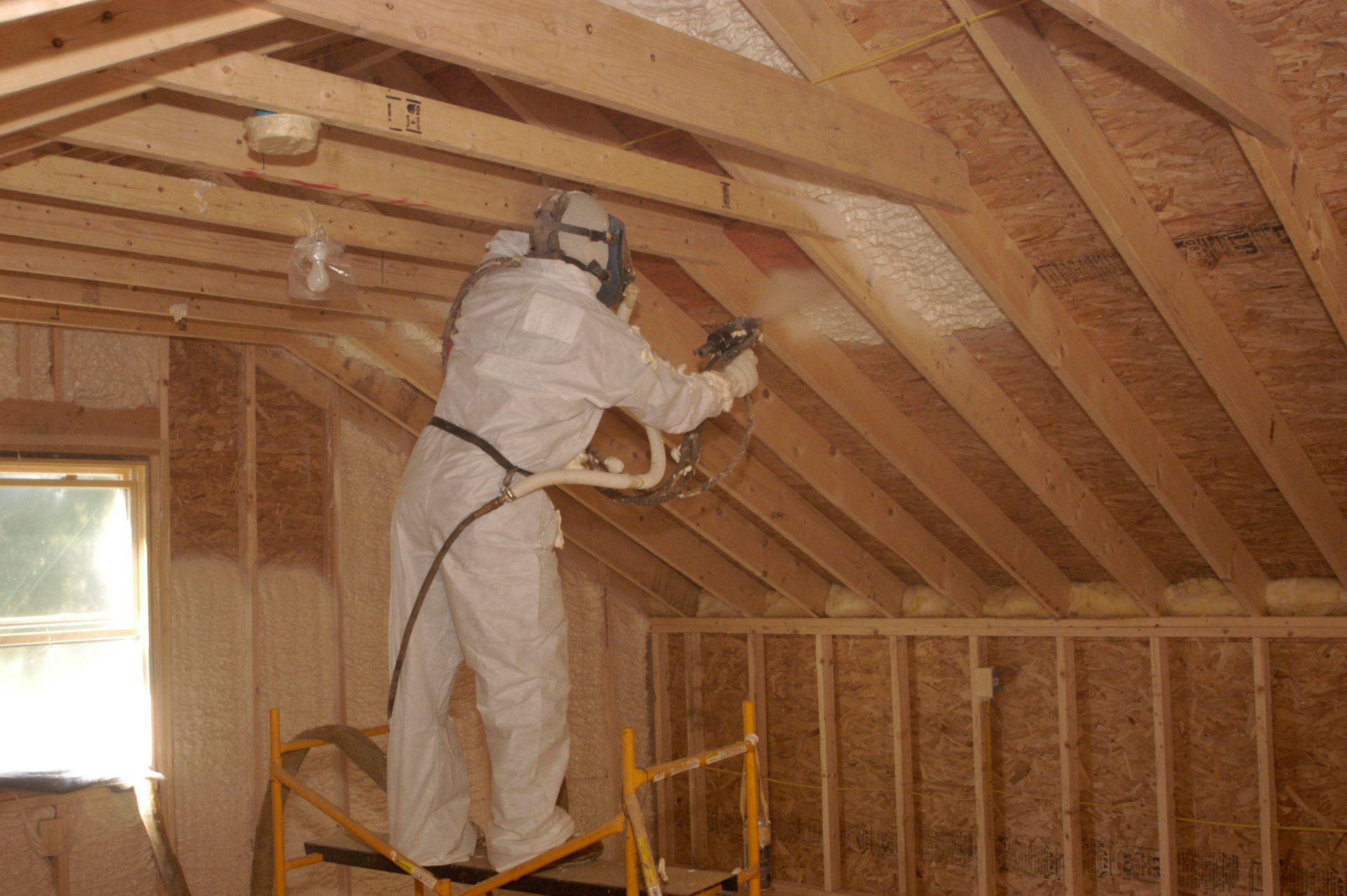
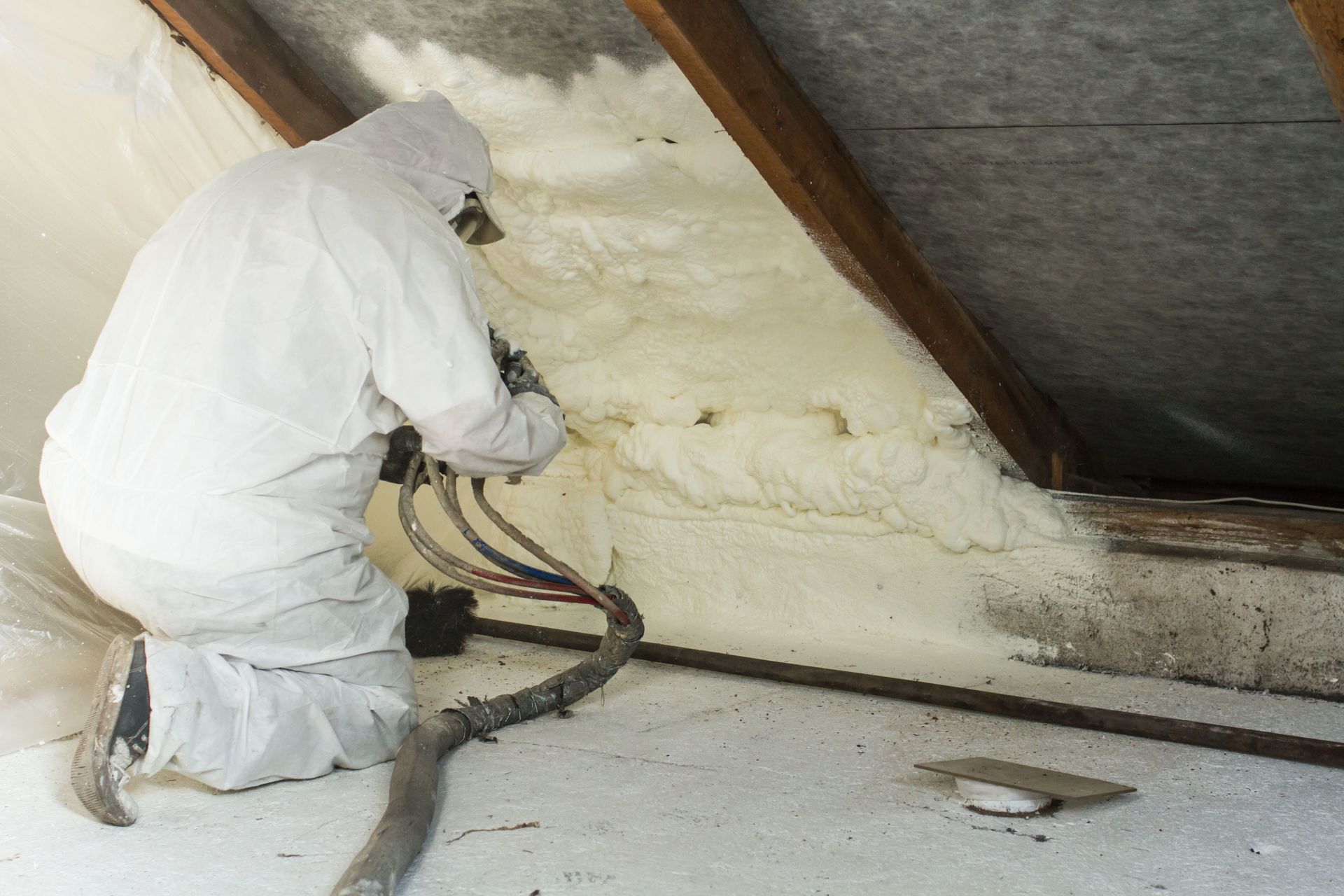
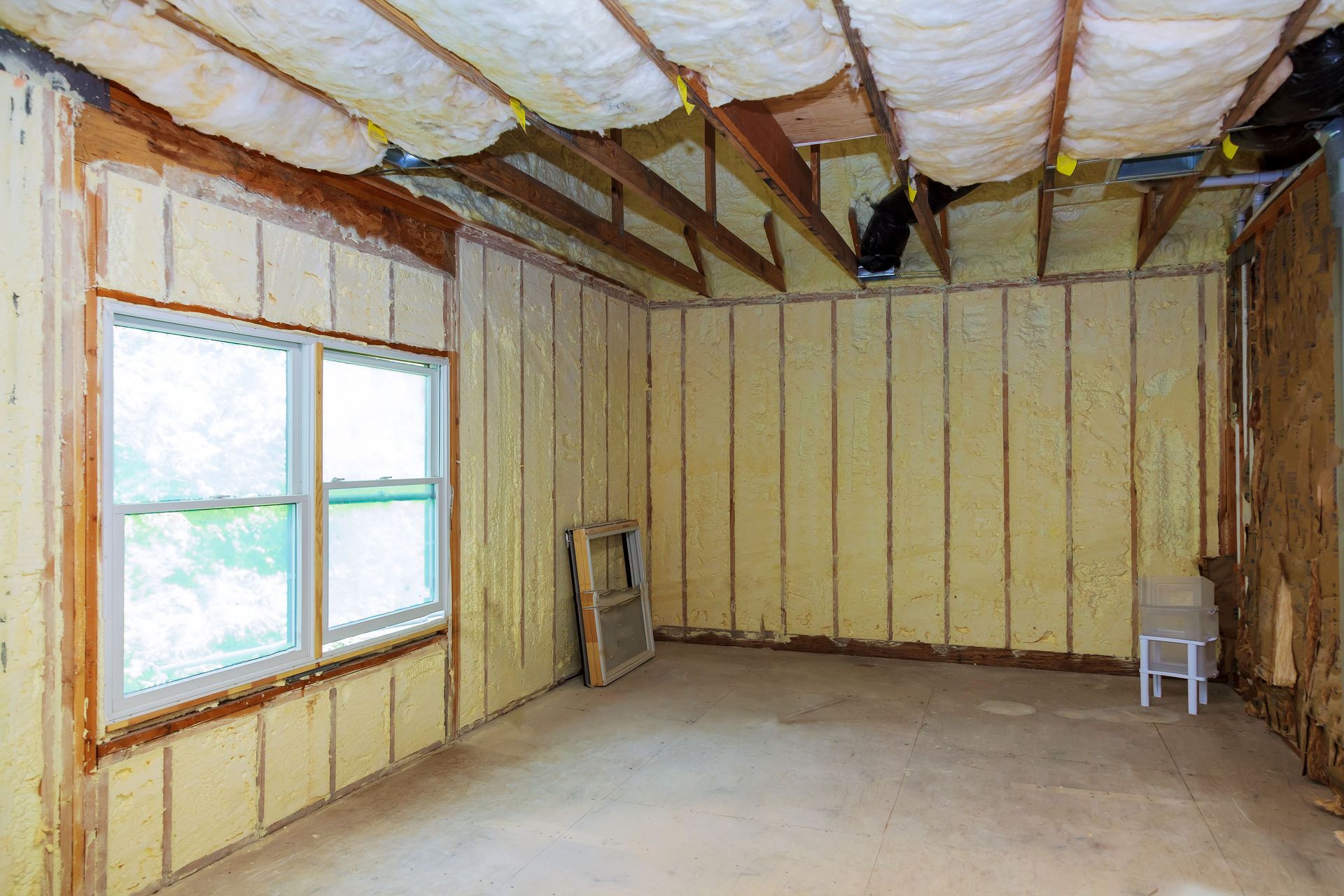
Spray polyurethane foam is an innovative building material created through the chemical combination of two liquid components, isocyanate and polyol resin. When heated and pressurized at a spray gun's tip, they react and expand upon direct contact with the target substrate. This rapid expansion fills deep crevices and tiny gaps traditional insulating materials simply cannot reach. According to Global Market Insights Inc., a primary reason why spray foam sees such widespread utilization in commercial building construction is its unique ability to form continuous, uninterrupted air barriers and insulation layers across intricate architectural features like roofs, long walls, and tight corners. This monolithic barrier effectively eliminates the devastating thermal bridging and air leakage plaguing older structures, and allows facility managers can achieve an unparalleled level of climate control.
Recognizing the Energy Efficiency Benefits
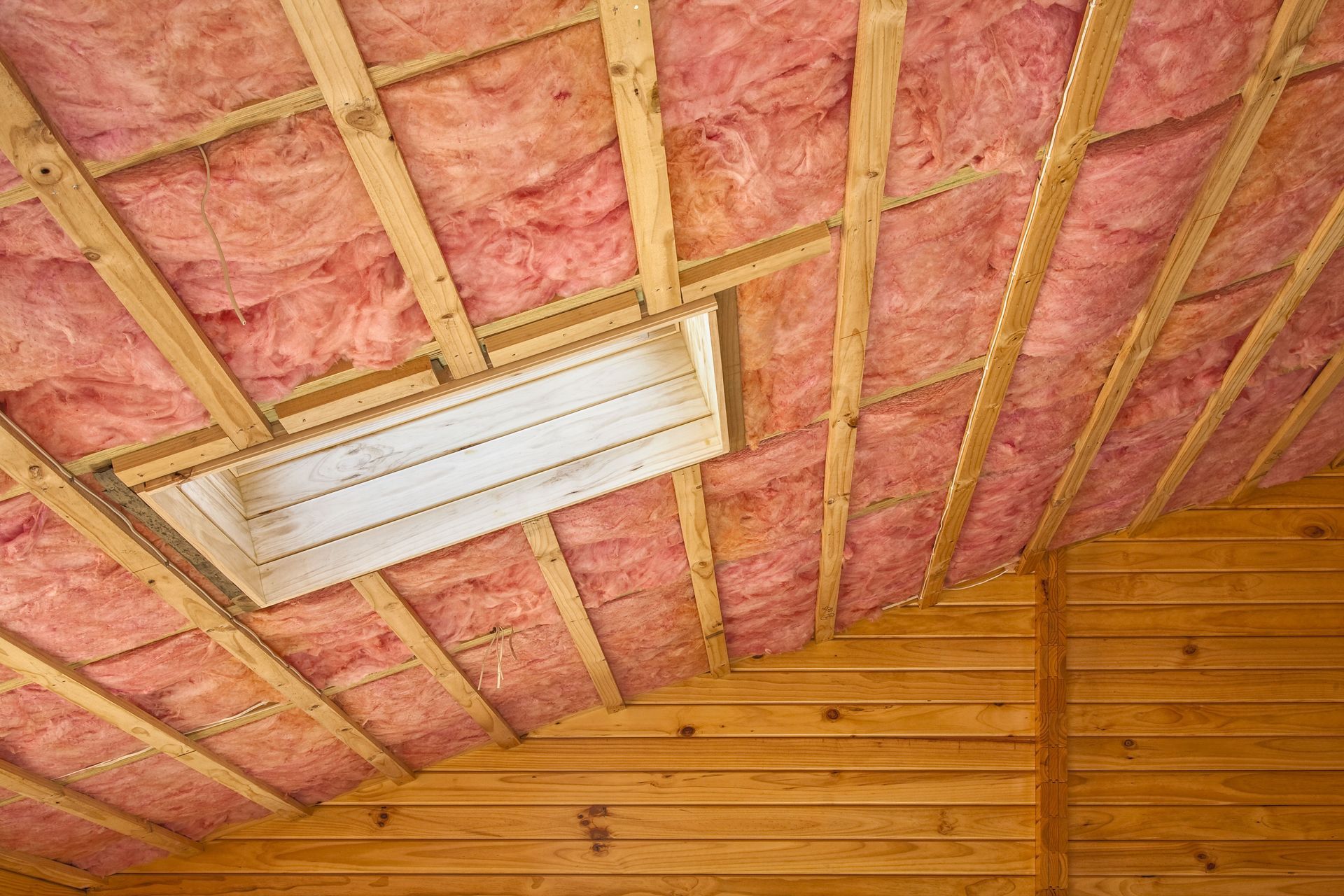
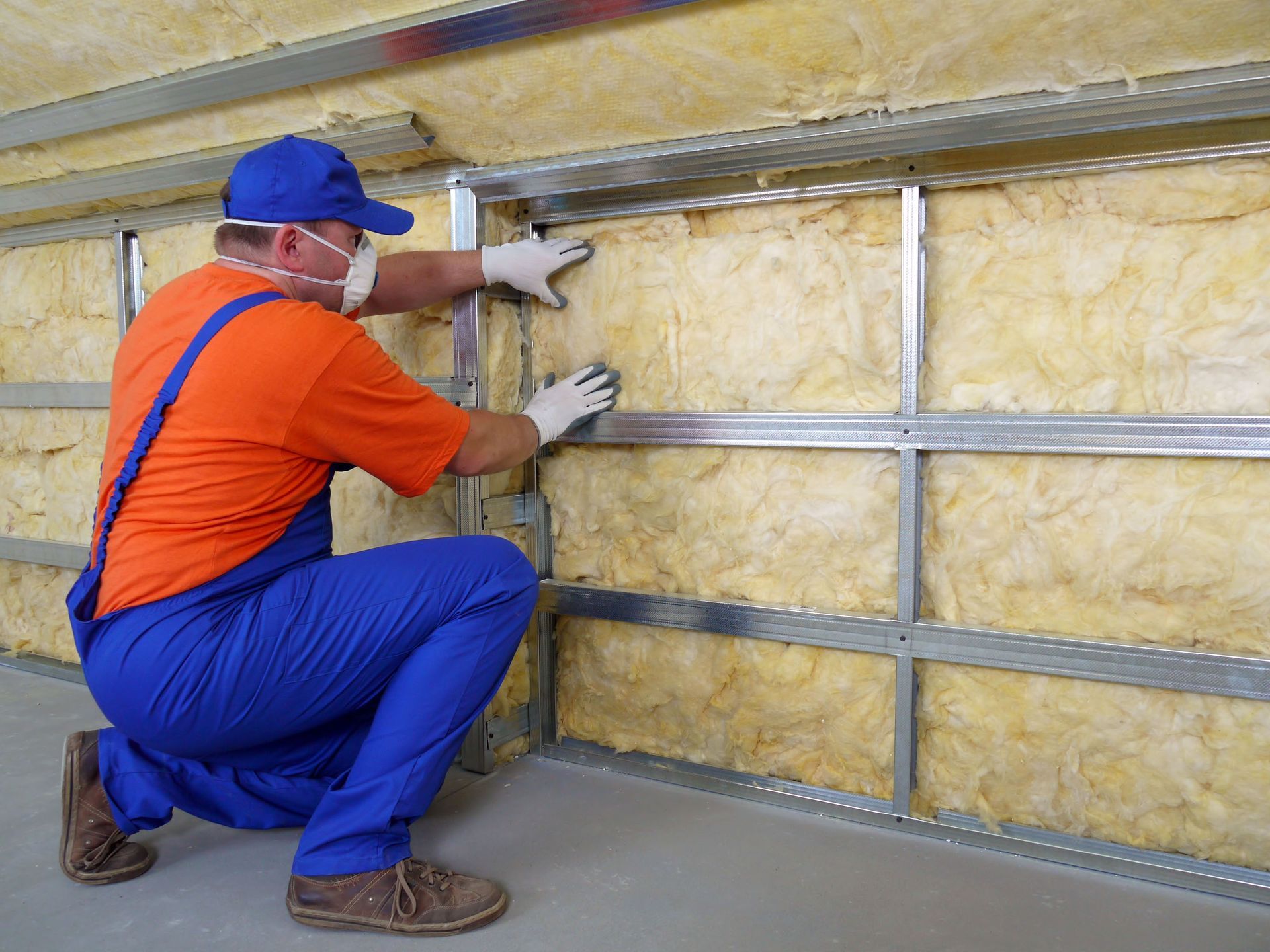
The thermal resistance provided by this polyurethane material remains unmatched across the construction industry. Heat naturally flows from warm interior spaces to cooler exterior spaces, meaning expensive heating escapes during winter, while oppressive heat infiltrates conditioned interior spaces throughout the summer. Because this expanding material acts simultaneously as a high-density thermal insulator and a rigorous air barrier, it stops convective heat transfer dead in its tracks. Traditional batts often allow conditioned air to seep through microscopic gaps around window frames, roof joints, and penetrations. In contrast, an expertly applied foam envelope drastically reduces the massive workload placed on the facility's commercial heating and cooling systems. When a certified commercial insulation contractor handles the application process, they ensure an exact optimal foam thickness is meticulously achieved across every structural surface. Consequently, building owners report drastic reductions in recurring utility expenditures.
Enhancing the Structural Integrity of Buildings
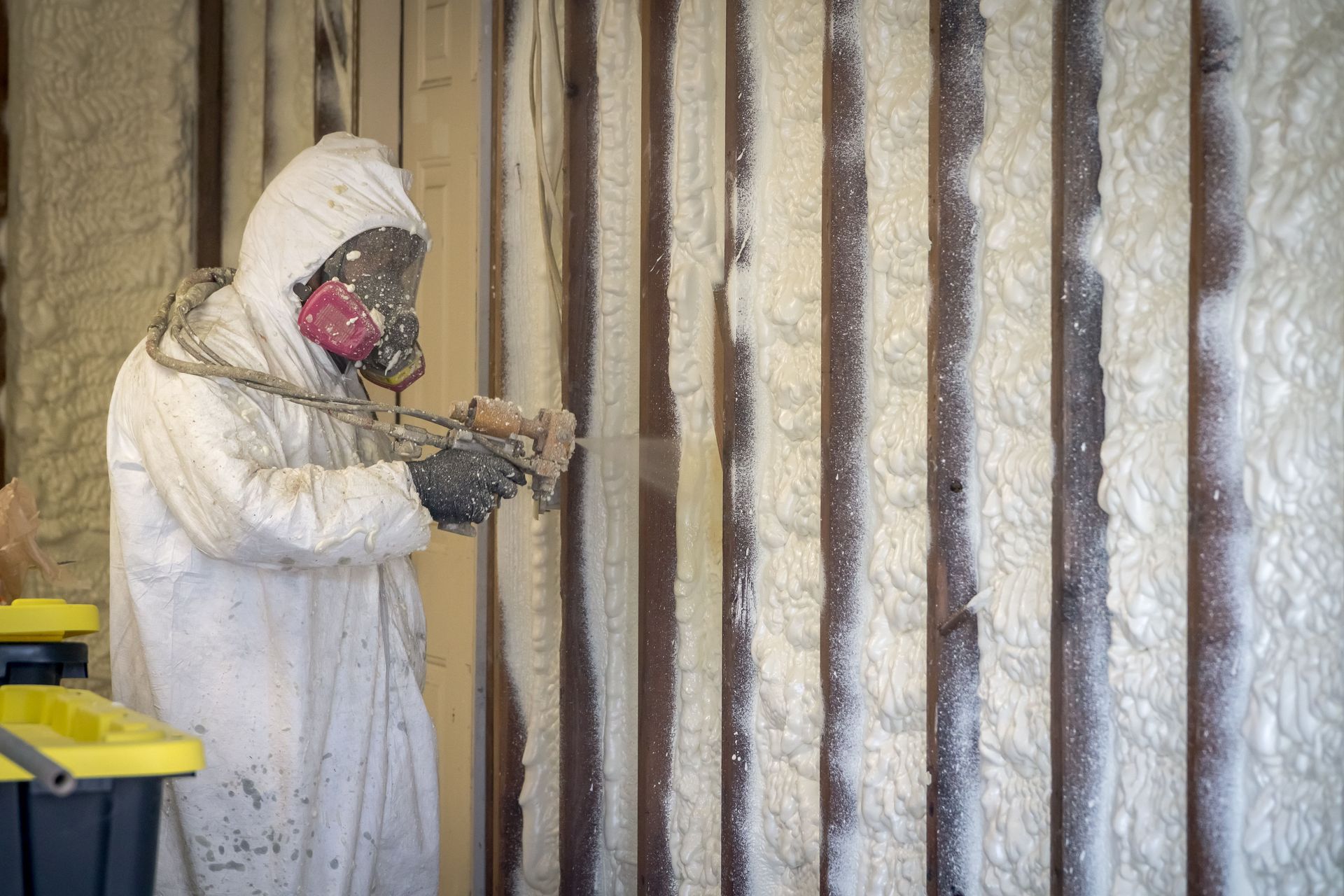
Beyond its thermal resistance capabilities, applying dense layers of polyurethane can surprisingly reinforce the physical architecture of the commercial property itself. Rigid closed-cell formulations provide substantial mechanical strength to exterior building envelopes. Once sprayed directly into the stud cavities of a steel or timber-framed building, closed-cell foam quickly cures into a dense, hard, and sturdy plastic matrix. This rigid matrix essentially glues the entire wall assembly together, increasing the overall racking strength of load-bearing walls and making the structure vastly more resistant to strong and unpredictable winds. Furthermore, when applied to sprawling commercial roofing systems, this rigid material dramatically increases critical wind uplift resistance, securing the massive roof deck to underlying supports. The impressive structural enhancement provided substantially lowers long-term maintenance costs associated with structural fatigue.
Mitigating the Risks of Moisture and Mold
Controlling moisture intrusion is one of the most critical structural challenges faced by commercial facility managers today. When warm, moisture-laden interior air comes into direct contact with cold exterior wall surfaces, condensation inevitably occurs inside hidden structural cavities, leading to devastating wood rot, metal corrosion, and mold proliferation. Because dense closed-cell polyurethane acts as a highly resilient vapor retarder, it proactively prevents destructive moisture vapor from migrating through the building envelope. The seamless nature of the application eliminates vulnerable joints and taped seams where water droplets can stealthily accumulate over time. By sealing off microscopic exterior entry points, the hardened material aggressively blocks wind-driven rain and humid outside air from penetrating the commercial facility. Building occupants enjoy significantly healthier indoor air quality, and property owners rest easy knowing their assets remain protected.
Comparing the Types of Spray Foam Insulation
Navigating the various chemical formulations of polyurethane is essential for successfully achieving the best possible results for any specific architectural project. Open-cell foam is significantly lighter, highly flexible, and expansively grows to a much greater volume upon application, making it wonderfully economical for deep interior cavities and incredibly effective at absorbing bouncing sound waves. Conversely, closed-cell foam remains incredibly dense, heavy, and rigid, offering vastly superior thermal resistance value per applied inch, alongside excellent structural reinforcement and dependable water resistance capabilities. Deciding carefully between these two distinct chemical structures requires a thorough understanding of the building's specific geographic climate, intended daily use, and unique architectural engineering. Therefore, it is highly recommended to consult extensively with an experienced commercial insulation contractor to determine which specific chemical formulation best suits the facility.
Overcoming the Complexities of the Installation Process
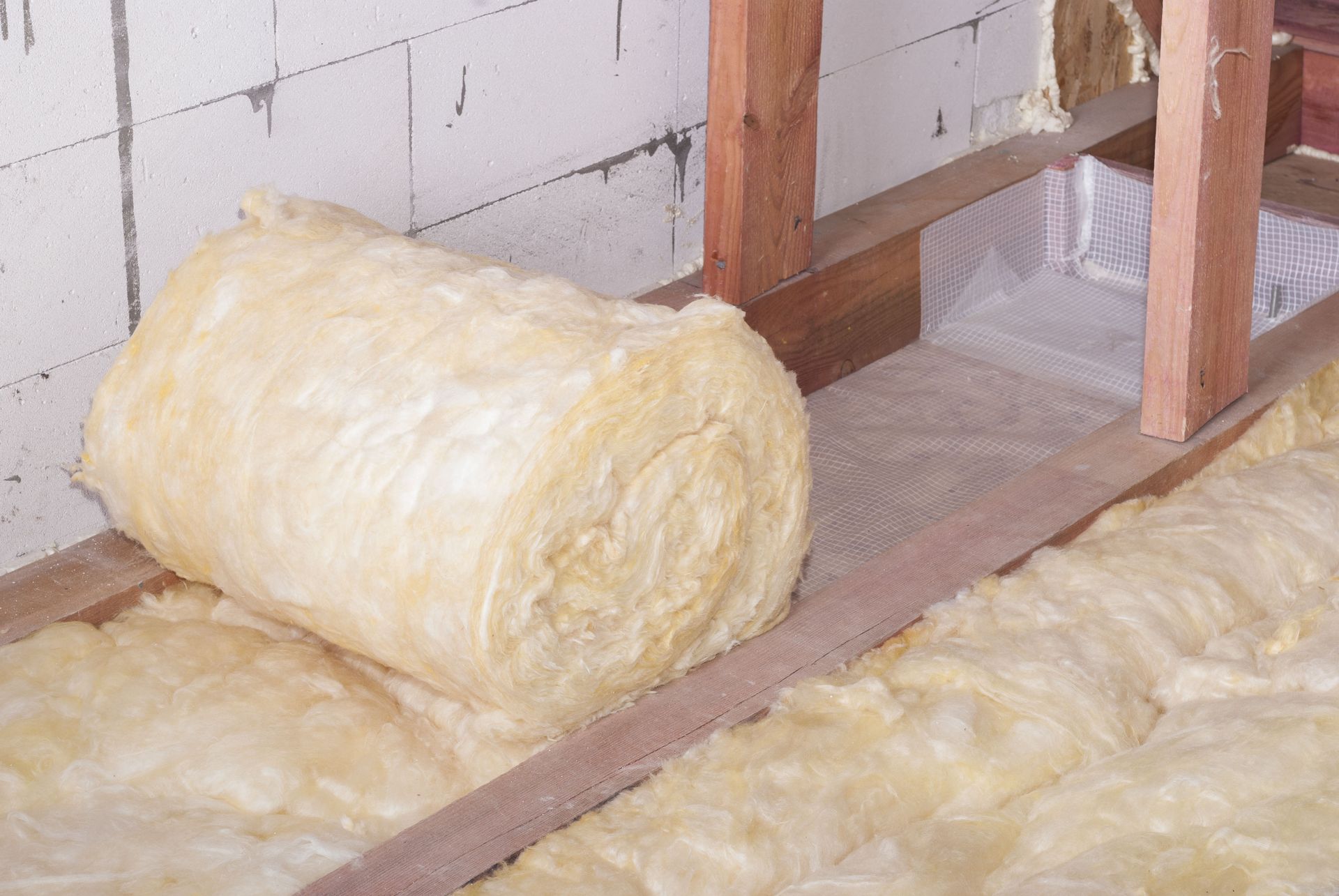
The initial application of reactive chemical insulators is an intensely technical process demanding strict adherence to rigorous safety protocols and precise environmental controls. Unlike simply unrolling standard fiberglass batts across a ceiling, spraying expanding polyurethane requires immense technical knowledge regarding ambient room temperatures, exact substrate moisture levels, and precise chemical mixing ratios. If the target application surface is far too cold or overly damp, the expanding material may fail to adhere properly, rapidly pulling away from structural studs and creating massive thermal voids. Furthermore, the rapid chemical reaction generates substantial exothermic heat and temporary chemical off-gassing, absolutely necessitating specialized personal protective equipment and heavy-duty mechanical ventilation systems. Relying confidently on a highly trained commercial insulation contractor absolutely guarantees that all sophisticated chemical mixing ratios, critical application temperatures, and occupational health regulations are strictly maintained. This professional oversight effectively eliminates the tremendous risk of disastrous curing failures and costly delays.
Maximizing the Financial Return on Investment
The long-term compounding economic advantages for utilizing premium polyurethane technology are staggering. The incredibly dramatic reduction in unwanted thermal transfer allows architectural engineers to intentionally downsize the highly expensive heating and cooling equipment normally required to adequately maintain the building's climate, saving massive amounts of capital immediately during construction. Additionally, remarkably consistent ongoing monthly utility savings quickly accumulate in the bank, allowing the specialized thermal barrier to essentially pay for itself entirely over time. Hiring a reputable commercial insulation contractor might seem like a significant upfront expenditure to the untrained eye, but their absolutely flawless application deeply accelerates this payback period through totally maximized energy efficiency. Furthermore, commercial property owners can heavily capitalize on lucrative energy efficiency tax credits and generous green building rebates, further offsetting initial installation costs while increasing property value.
Selecting the Ideal Industry Partner
The ultimate functional success and extended longevity of an advanced thermal envelope project completely depend on the proven competence, professional integrity, and technical skill of the chosen application team. Commercial facility owners must diligently seek out dedicated professionals who proudly possess extensive portfolios showcasing highly successful industrial and commercial project completions. It is crucial to carefully verify that the chosen application team faithfully carries comprehensive general liability insurance, proactively holds up-to-date industry safety certifications, and happily provides robust warranties covering both chemical materials and manual physical labor. The comprehensive overall success of the entire project depends heavily on finding a highly qualified commercial insulation contractor who intricately understands the subtle nuances of strict local building codes, complex fire safety regulations, and aggressive construction timelines. A trustworthy, experienced partner will gladly conduct a remarkably thorough preliminary energy audit, provide a detailed written estimate, and faithfully maintain clear communication throughout the upgrade.
Investing in advanced spray polyurethane technologies provides facility owners with an unparalleled combination of energy savings, structural enhancement, and moisture defense. Upgrading your thermal envelope with these innovative materials ensures a sustainable, resilient, and highly profitable commercial property for decades. By prioritizing quality materials and professional installation, businesses can confidently secure their architectural assets against unpredictable weather forces and soaring energy costs. For more on the benefits of spray insulation from a professional commercial insulation contractor, please contact Sanchez Insulation Inc.
Share On: