
How Spray Foam Insulation Recoups its Investment
Homeowners often look for ways to lower energy bills, improve indoor comfort, and increase property value. Spray foam insulation can help achieve these goals by reducing heat transfer and limiting unwanted air movement. Although installation requires an upfront investment, the long-term benefits can make it a worthwhile improvement.
Reducing Heating and Cooling Costs
One of the primary advantages of spray foam insulation is its potential to reduce monthly utility expenses. According to PowerBlanket.com, spray foam insulation can reduce energy costs by 30 to 50 percent. Actual savings depend on the home's existing insulation, climate, and energy usage, but improved thermal performance can make a noticeable difference.
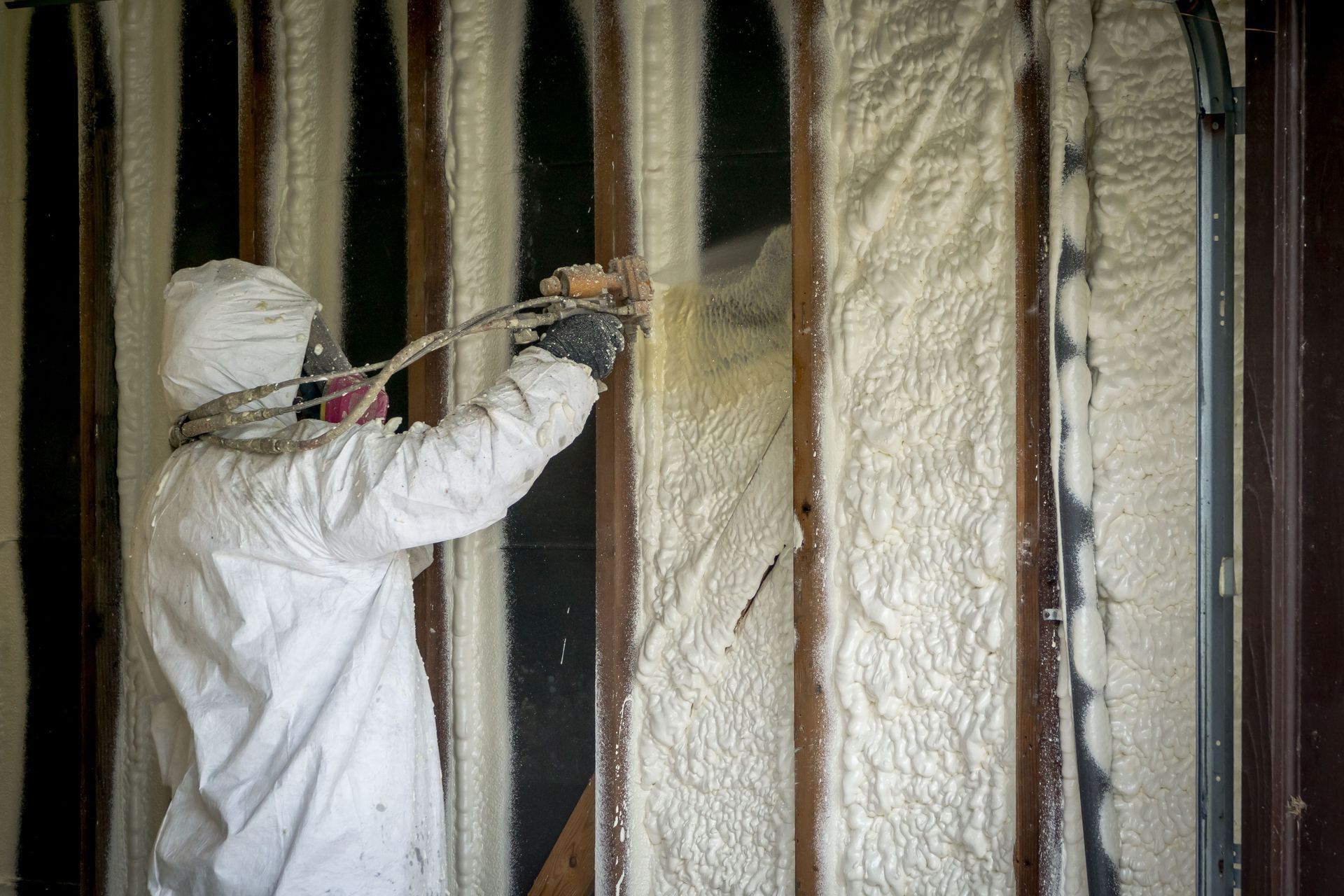
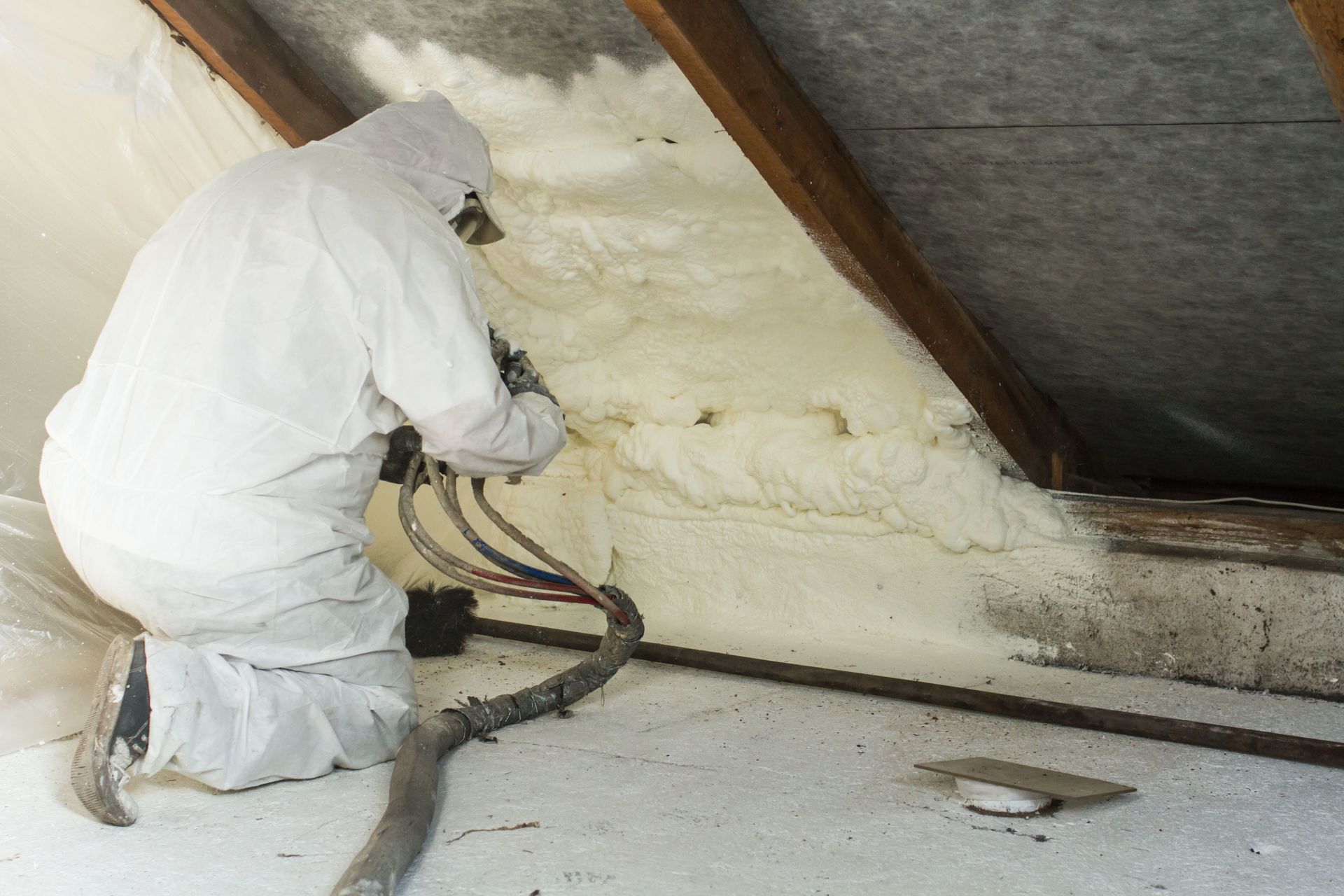
A professional spray foam insulation service helps seal gaps where conditioned air might escape. When less heated or cooled air leaves the building, HVAC equipment does not have to work as hard to maintain comfortable temperatures. Over time, lower utility bills can help homeowners recover their initial investment.
These savings can become particularly valuable during seasons with extreme temperatures. When outdoor conditions fluctuate, a well-insulated home can maintain indoor comfort with less energy waste. Homeowners may benefit from more predictable utility expenses and improved energy performance throughout the year.
Improving Energy Efficiency Year-Round
Spray foam insulation provides thermal resistance while helping create a tighter building envelope. This limits heat transfer between indoor and outdoor environments, making it easier to maintain comfortable temperatures during hot summers and cold winters. Better insulation can also reduce temperature fluctuations between rooms.
A professionally installed spray foam insulation service can address areas where inadequate insulation contributes to energy waste. These improvements may reduce heating and cooling demands while supporting more consistent indoor comfort. The resulting savings can accumulate over several years, improving the overall value of the project.
Energy efficiency also depends on other building components, including windows, doors, and HVAC equipment. Insulation works best as part of a comprehensive approach to managing heat transfer and air leakage. Evaluating the home's overall performance can help homeowners determine where insulation upgrades are most beneficial.
Reducing Air Leakage and HVAC Strain
Air leaks allow conditioned air to escape while outdoor air enters the property. These gaps can undermine insulation performance and force heating and cooling systems to operate longer to maintain the desired temperature.
A spray foam insulation service can help seal openings around suitable building components. By reducing uncontrolled airflow, insulation can support more consistent temperatures and potentially lower HVAC operating expenses. Although insulation cannot prevent every equipment problem, reducing unnecessary heating and cooling demand may help limit avoidable strain.
Reducing air leakage can also make living spaces more comfortable by minimizing drafts. Rooms that previously felt colder in winter or warmer in summer may become more consistent with the rest of the home. These improvements contribute to the overall value of insulation beyond the savings reflected on utility bills.
Maximizing Available Energy Incentives
Federal, state, and local programs may offer incentives for qualifying energy-efficient improvements. These benefits can reduce installation expenses and shorten the time needed to recover the investment. Homeowners should verify current eligibility requirements and available programs before factoring potential savings into their budgets.
A professional spray foam insulation service can help homeowners understand the proposed project's scope and identify relevant installation documentation. Combining confirmed incentives with realistic energy savings provides a clearer picture of the project's financial value.
When incentives are available, they can make an insulation upgrade more affordable. However, homeowners should base their financial calculations on confirmed program details rather than assuming a particular credit or rebate will apply. Reviewing the total cost alongside potential incentives helps establish a realistic budget.
Increasing Home Value and Market Appeal
Energy-efficient improvements can make a property more attractive to prospective buyers. Lower expected utility costs and improved indoor comfort may influence purchasing decisions, particularly among buyers who prioritize long-term efficiency.
Spray foam insulation can help distinguish a home in a competitive real estate market. However, its effect on resale value depends on location, buyer demand, and installation quality. Homeowners should consider increased property value a potential benefit rather than a guaranteed financial return.
Insulation upgrades may also demonstrate that a homeowner has invested in the property's performance. Buyers evaluating similar homes may appreciate features that support energy efficiency and reduce drafts. Although the insulation cost may not be fully recovered through a higher selling price, the improvements can contribute to a more appealing property.
Extending Insulation Life and Managing Moisture
Properly installed spray foam can maintain its insulating properties for many years, potentially reducing the need for frequent replacement. Its durability can help homeowners avoid additional material and labor expenses while maintaining consistent insulation performance.
Certain spray foam products can also help limit moisture movement through building assemblies, depending on their formulation and placement. However, insulation cannot replace proper roof maintenance, drainage, or repairs for existing leaks. Addressing moisture problems before installation helps protect the property's structure and supports better long-term results.
A qualified spray foam insulation service can evaluate the property's conditions and recommend an appropriate product. Choosing suitable materials and ensuring correct installation can help reduce the risk of performance problems. These considerations are important when comparing insulation options and estimating long-term costs.
Enhancing Indoor Comfort and Environmental Performance
Reducing household energy consumption can provide environmental benefits alongside financial savings. When a home requires less energy for heating and cooling, it may also reduce emissions associated with energy production. The extent of these benefits depends on the home's energy sources and actual reduction in consumption.
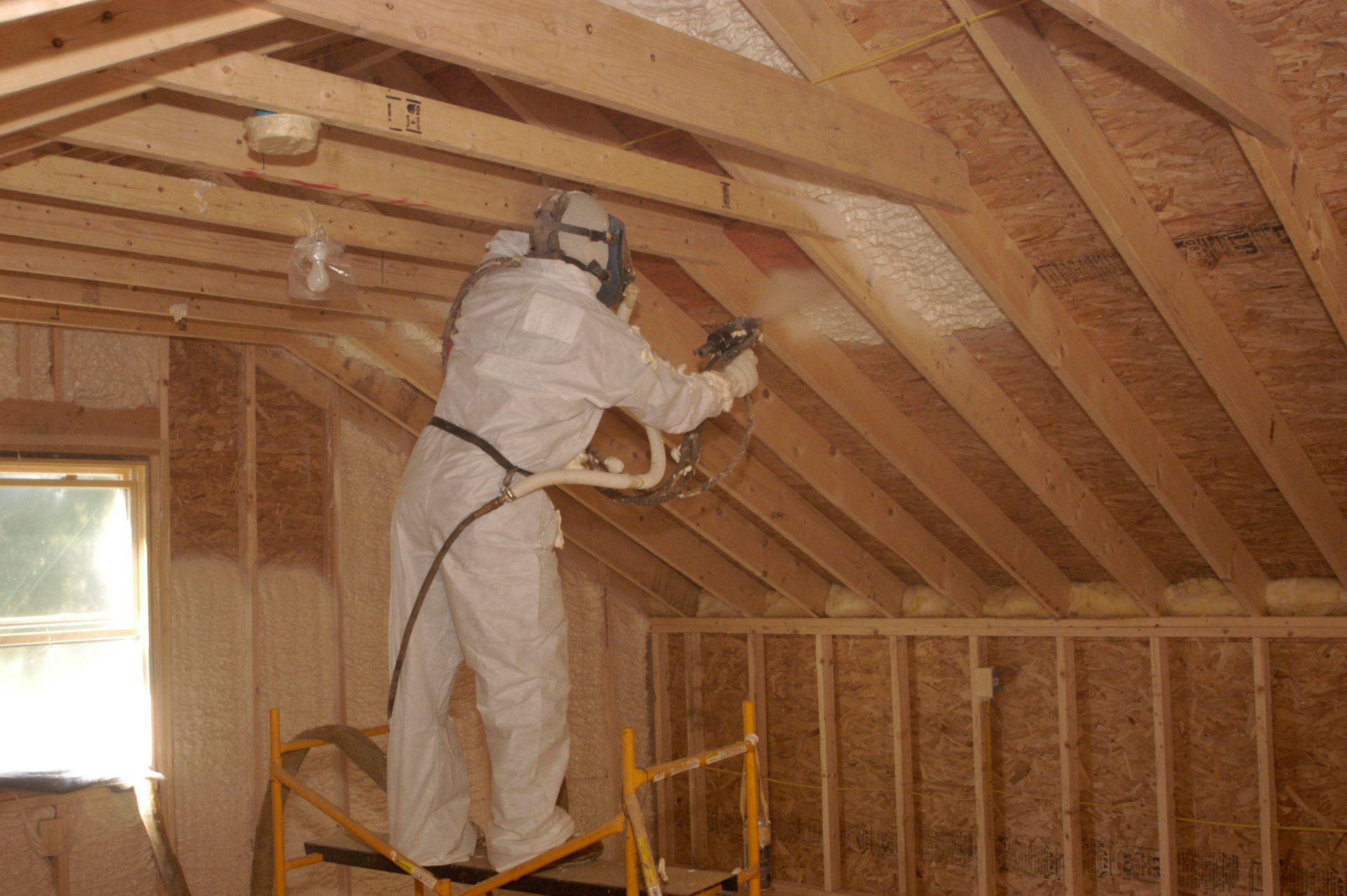
Insulation can also improve everyday comfort by reducing drafts and temperature differences between rooms. A spray foam insulation service can help identify appropriate application areas, including attics, crawl spaces, and walls. Addressing the property's specific needs can improve indoor comfort while supporting more efficient HVAC operation.
The combination of comfort and efficiency can make insulation a valuable long-term improvement. Homeowners may notice fewer uncomfortable temperature changes and less dependence on heating and cooling equipment. These benefits can enhance daily living while supporting more responsible household energy use.
Calculating the Insulation Payback Period
The payback period measures how long it takes for accumulated savings to offset an improvement's initial cost. For spray foam insulation, this depends on installation expenses, existing utility bills, local energy rates, climate, and actual energy savings.
Homes with significant air leakage and high heating or cooling expenses may have greater opportunities for savings than properties that are already well insulated. Comparing installation estimates with realistic annual savings helps homeowners determine whether the investment makes financial sense. Potential incentives may further improve the payback period when the project qualifies.
Homeowners should also consider how long they expect to remain in the property. Those planning to stay for many years may have more time to benefit from cumulative energy savings, while those expecting to sell sooner may place greater importance on comfort and market appeal. Evaluating these factors provides a more complete picture of the potential return.
Ensuring Quality Through Professional Installation
Installation quality significantly affects whether spray foam insulation delivers its expected benefits. Contractors must consider product selection, application thickness, building conditions, and appropriate safety requirements. Improper installation can create performance problems or concerns involving moisture and indoor air quality.
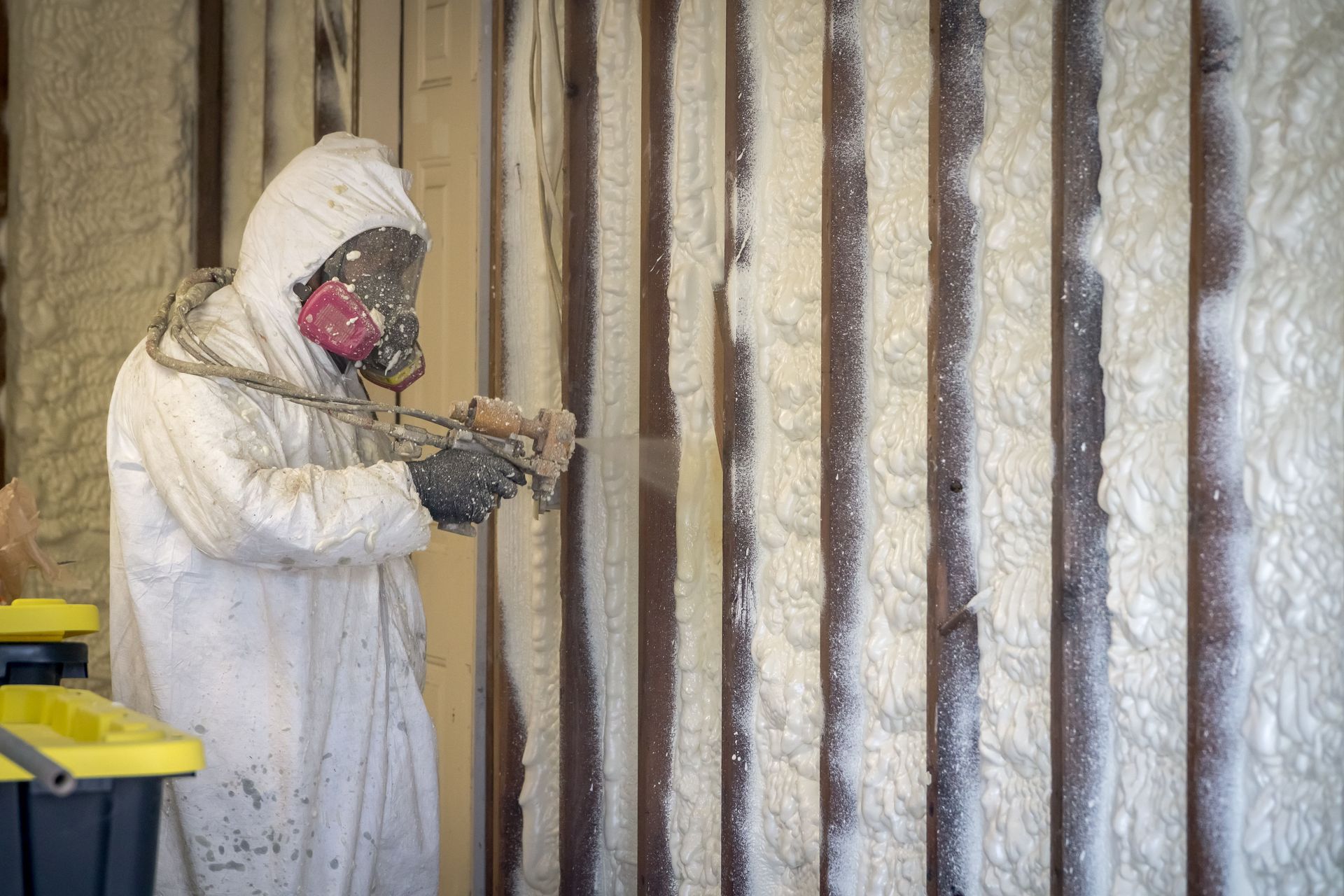
An experienced spray foam insulation service can evaluate the property, recommend suitable products, and follow manufacturer requirements. Professional installers can also follow product-specific safety procedures for ventilation, protective equipment, and reentry after installation.
Homeowners should compare contractors based on experience, product knowledge, project details, and warranty coverage. Asking about the proposed materials and installation process can clarify what the project includes. Careful contractor selection helps homeowners make informed decisions and establish realistic expectations for their investment.
Investing in Long-Term Home Efficiency
Spray foam insulation offers several potential advantages, including lower energy expenses, improved comfort, reduced air leakage, and lasting thermal performance. Depending on the property and installation quality, these benefits can help offset the initial cost over time.
Sanchez Insulation Inc can help homeowners evaluate their insulation needs and explore suitable solutions. Contact Sanchez Insulation Inc to request an estimate and learn how a professionally installed spray foam insulation service can support your home's energy efficiency and long-term comfort.

Share On: