

Optimizing the Longevity of Your Home Insulation
Home insulation helps maintain indoor comfort, control energy costs, and protect a home's structure. Over time, moisture, settling, and improper installation can reduce its effectiveness. Understanding insulation materials and recognizing when professional attention is needed can help homeowners maintain an efficient system. Experienced insulation contractors can identify problems and recommend improvements that support long-term energy savings.
Understanding Different Types of Insulation
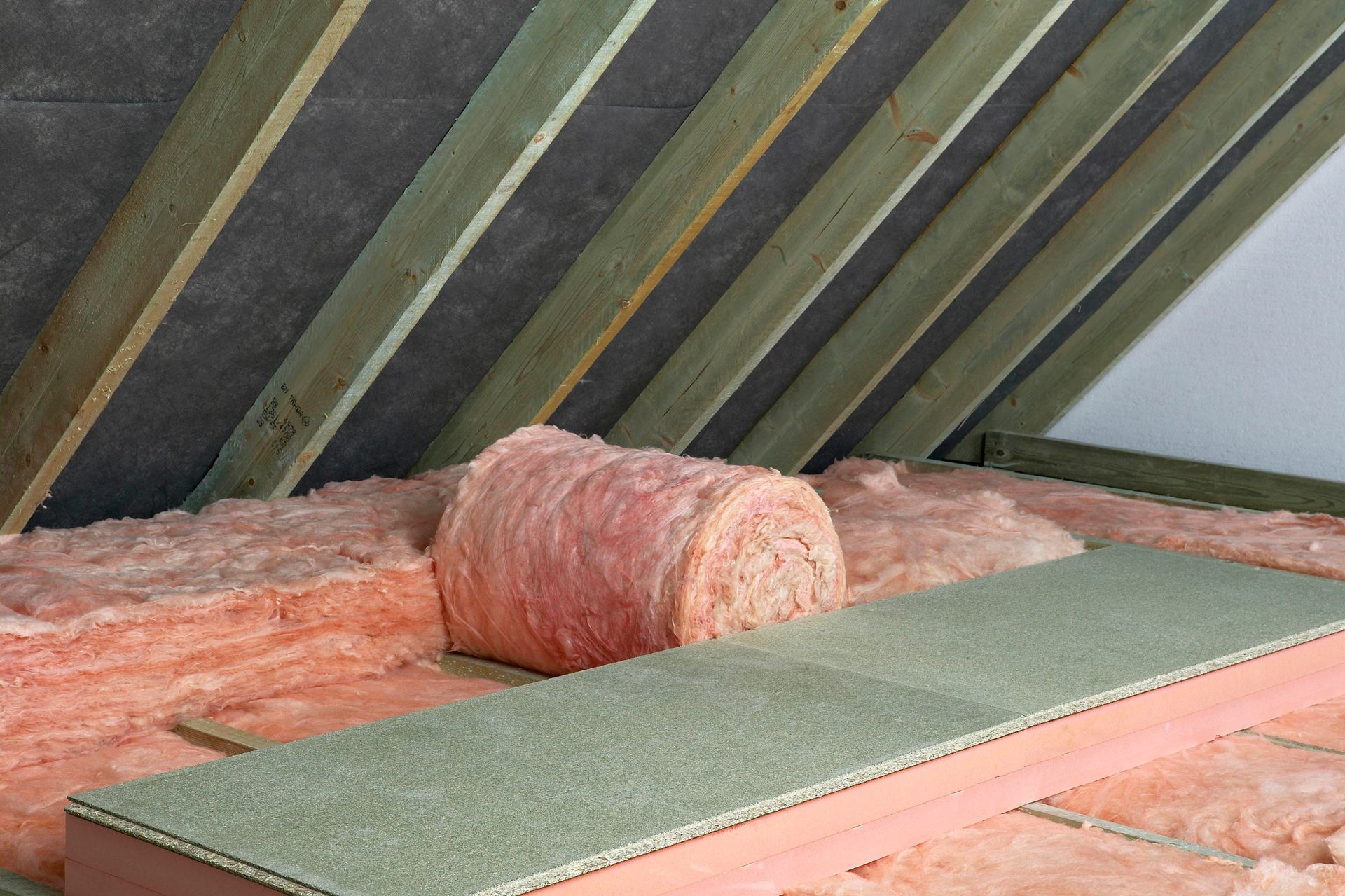
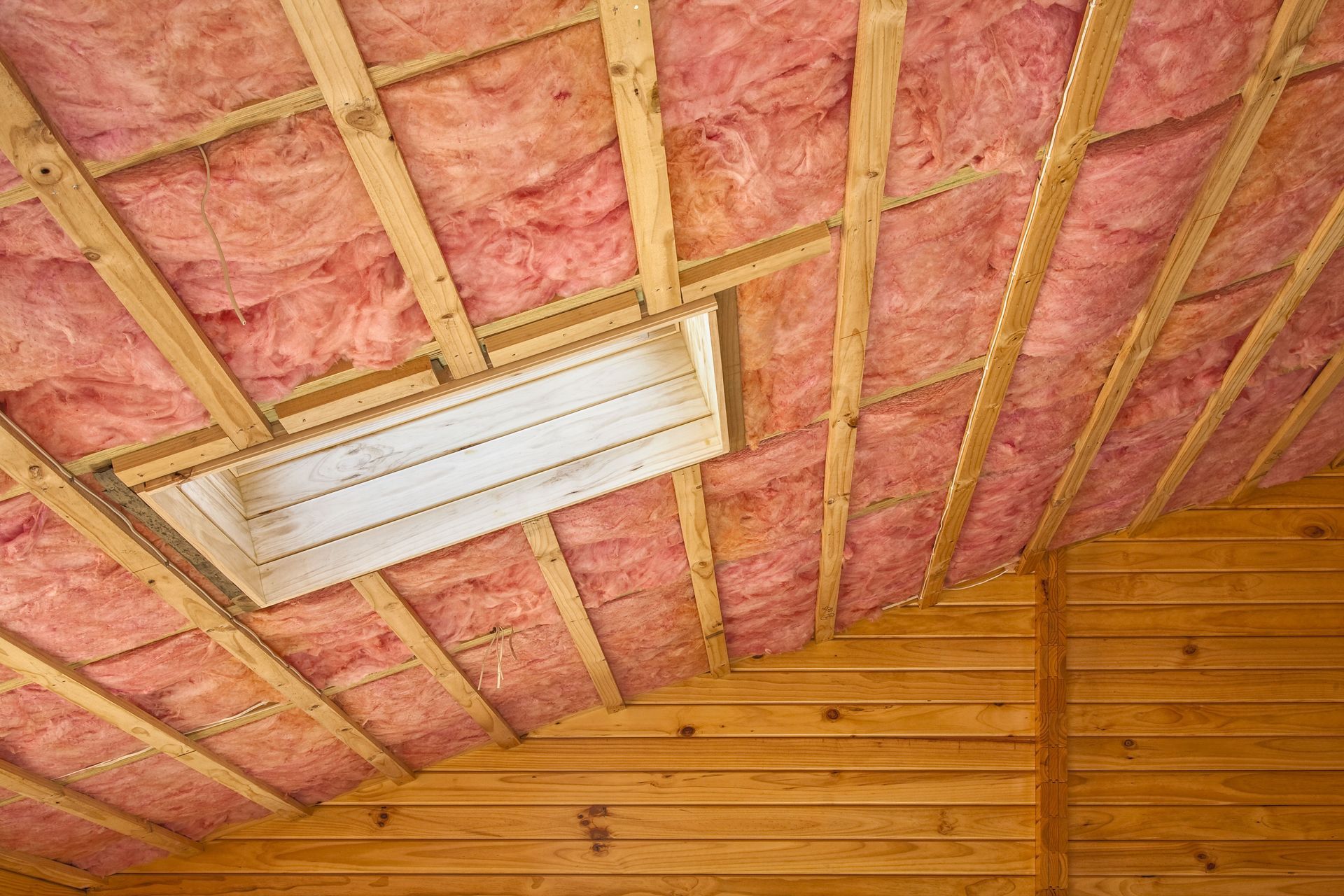
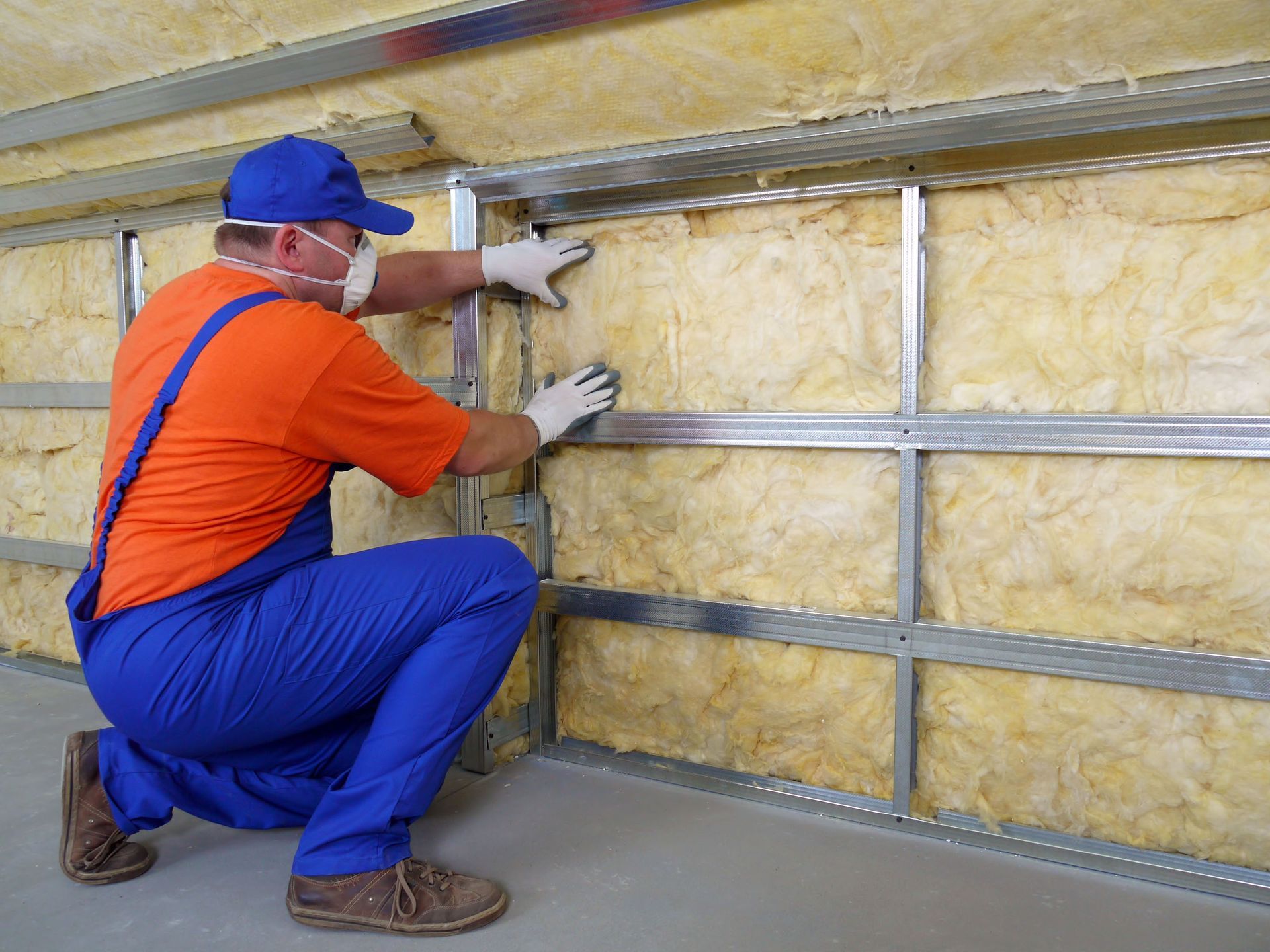
Insulation materials vary in durability, thermal resistance, and suitability for different areas of a home. Selecting the right material for the building's structure and climate helps maintain consistent temperatures while reducing energy expenses. Fiberglass insulation is widely used because of its affordability, fire resistance, and thermal performance. However, moisture exposure and physical damage can reduce its effectiveness. Keeping fiberglass dry and ensuring adequate ventilation helps preserve its performance.
Foam board insulation provides a rigid barrier commonly used in foundations, basements, and exterior walls. Proper installation and sealed seams help maintain its thermal performance. Reflective insulation and radiant barriers can also reduce radiant heat transfer, particularly in warm climates, and often work best alongside conventional insulation.
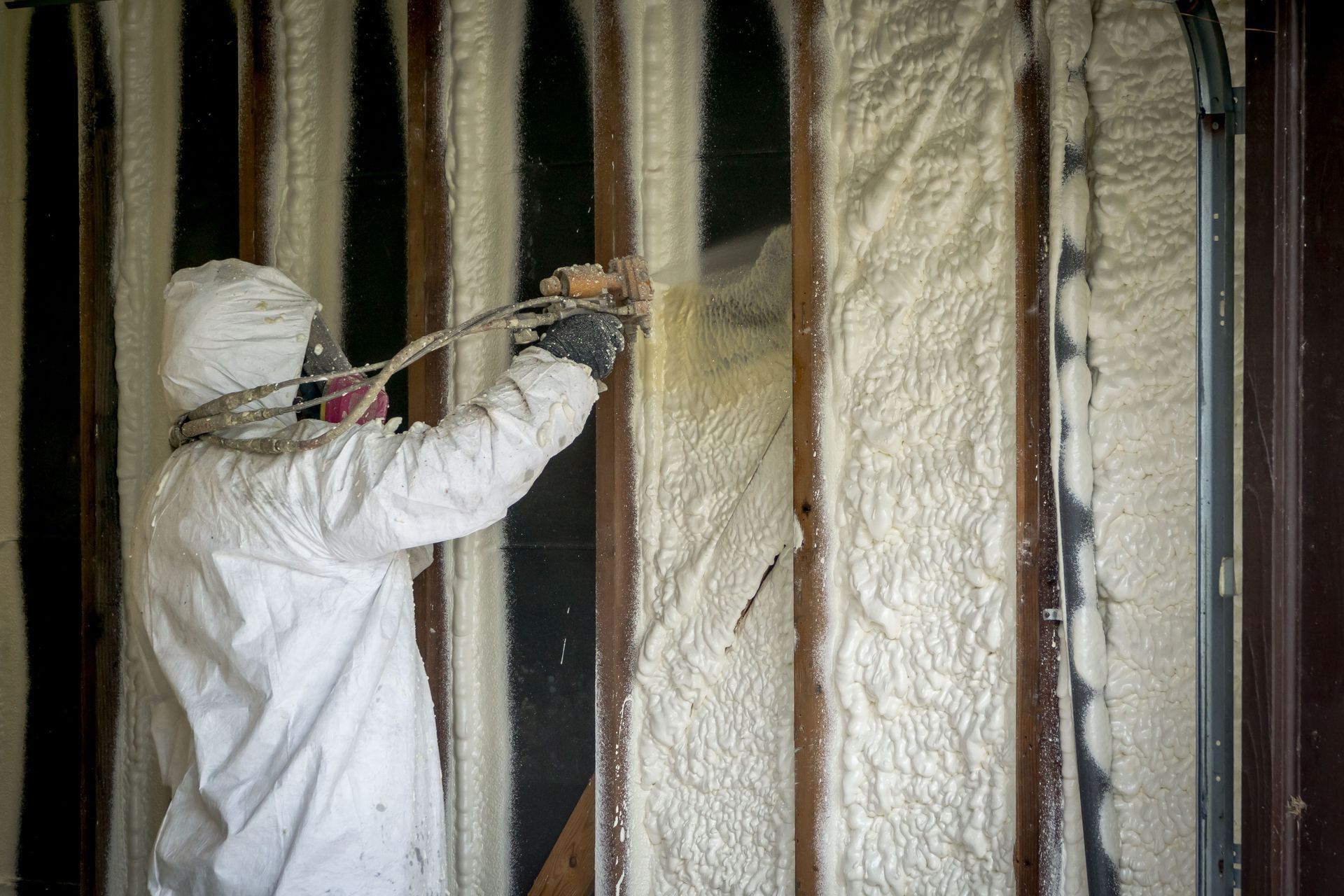
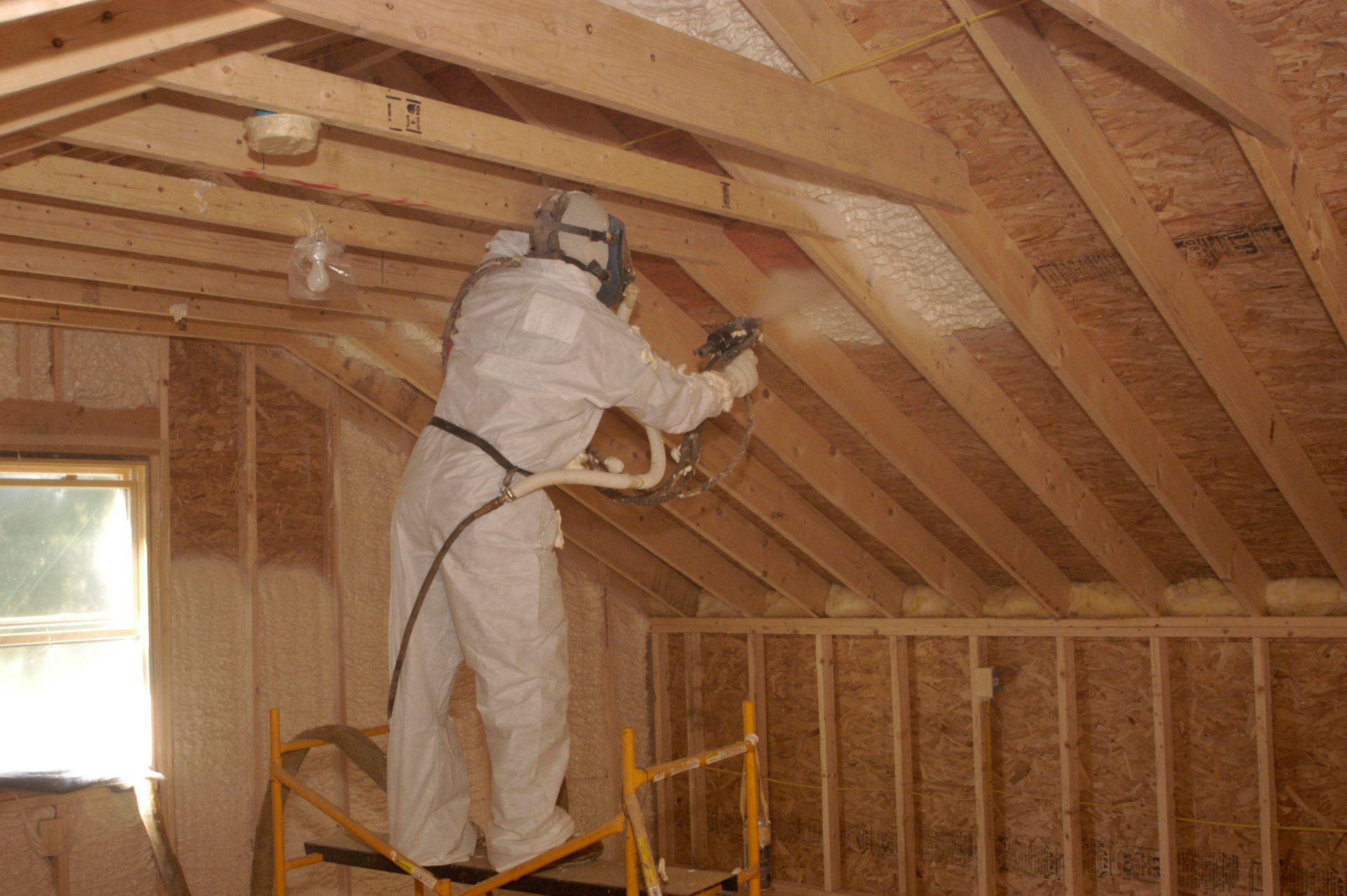
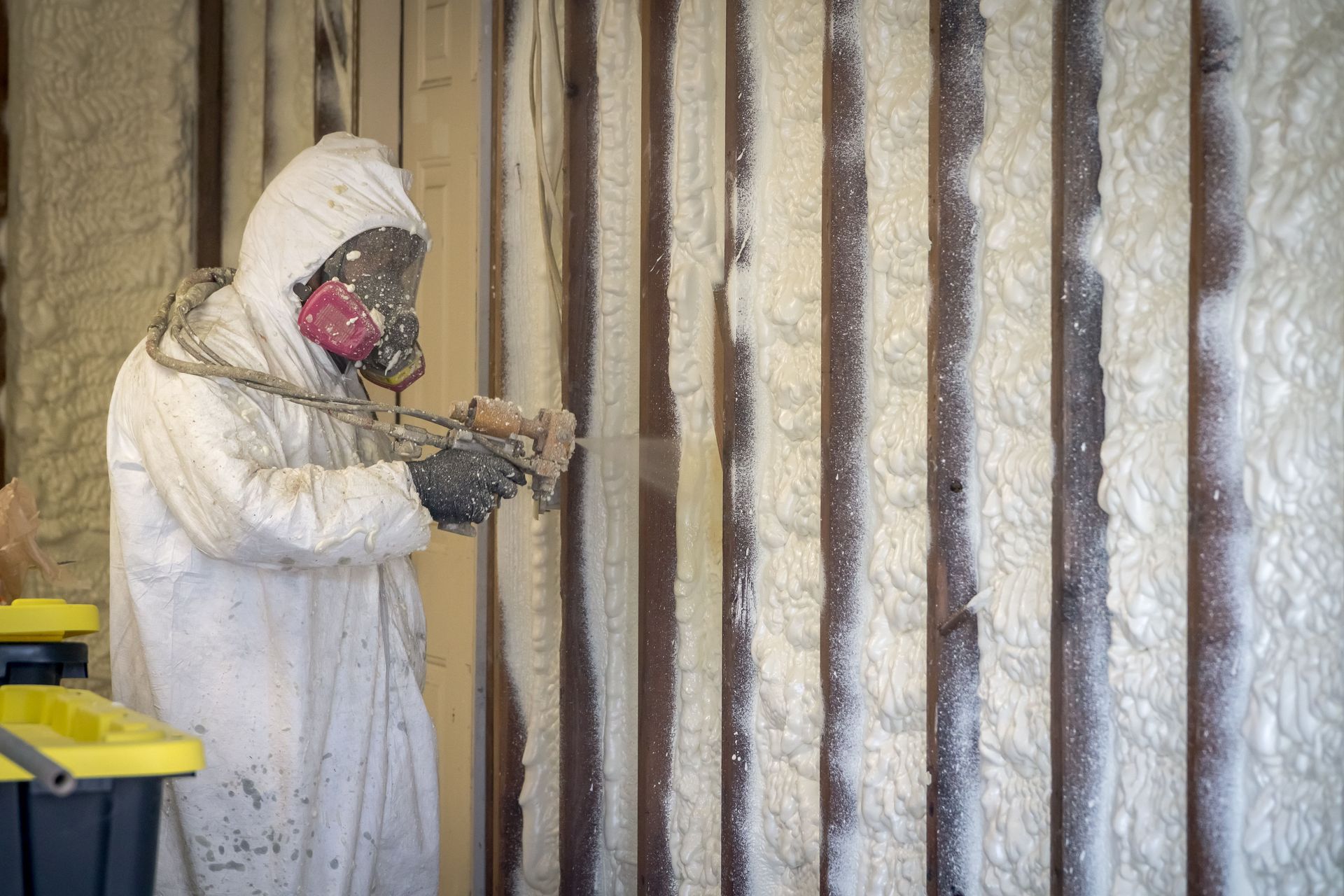
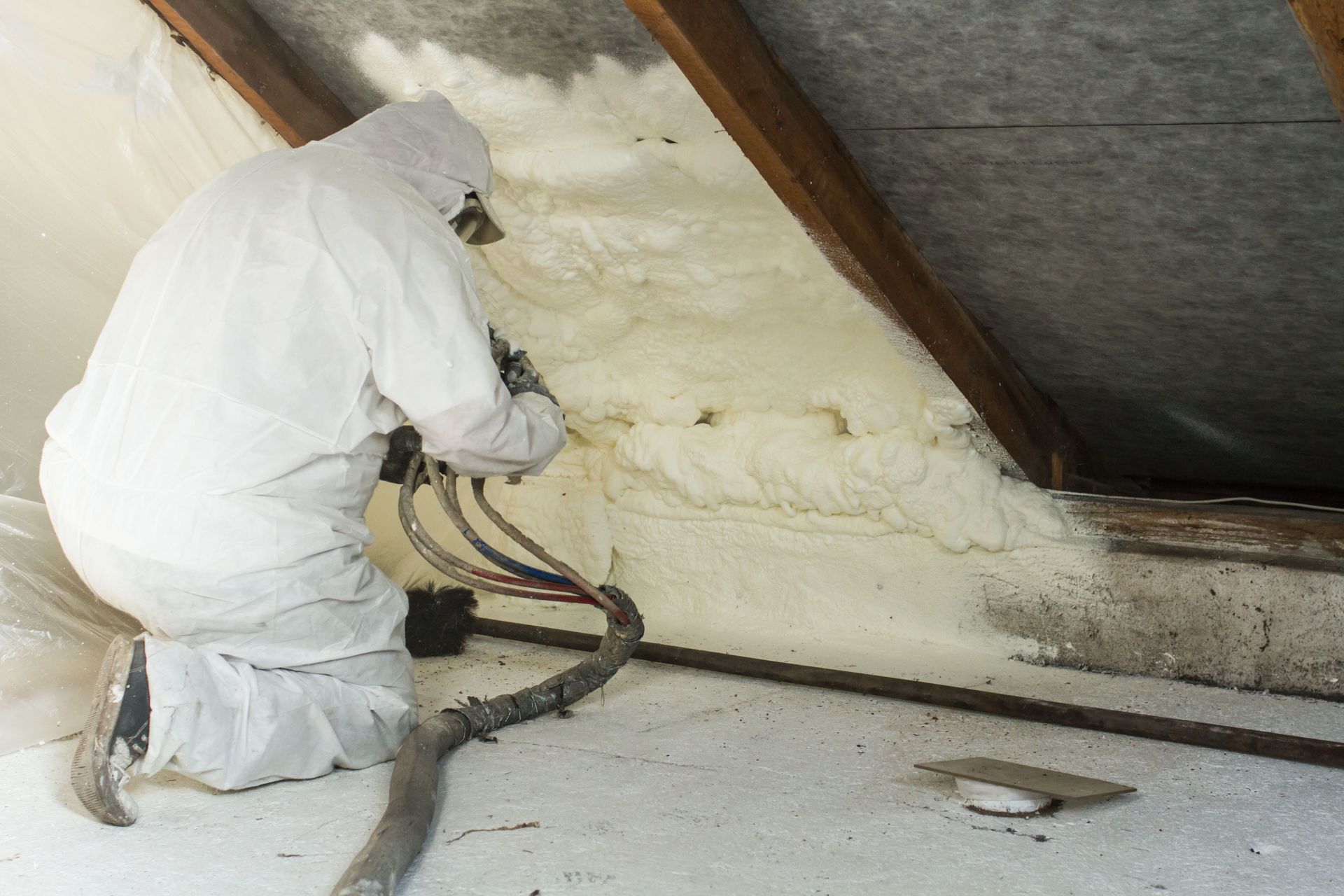
Spray foam expands to fill gaps and cracks, creating a barrier against air leakage. According to Bob Vila, spray foam can last for up to 80 years, which is three times as long as other types of insulation. Its durability makes it a valuable option for homeowners seeking long-term energy efficiency, although professional installation is essential.
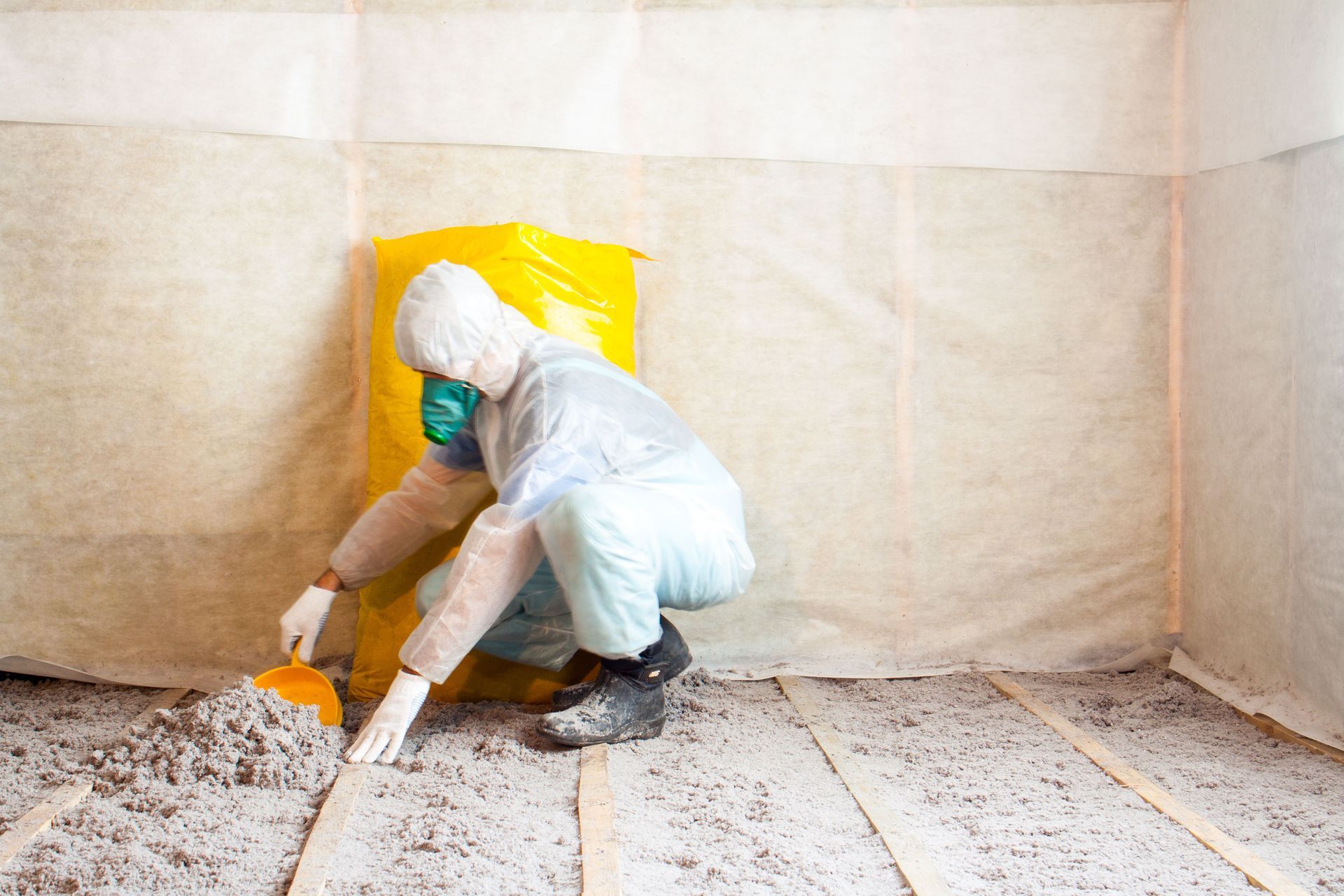
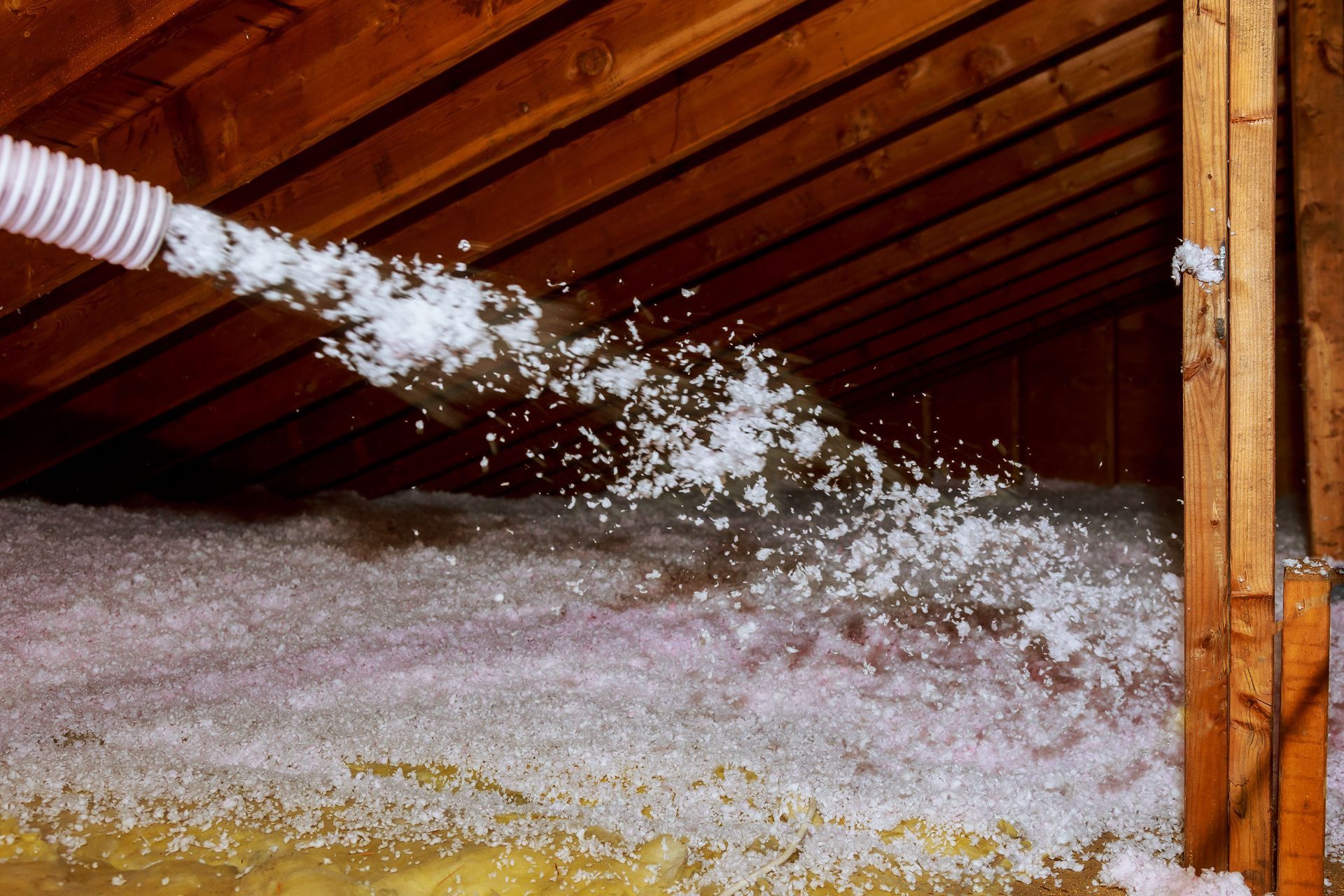
Blown-in insulation is commonly used in attics and enclosed spaces because it fills irregular cavities. Available in materials such as cellulose and fiberglass, it provides effective coverage when properly installed by insulation contractors. However, settling and moisture exposure can affect its performance over time.
Recognizing Signs of Insulation Problems
Identifying insulation problems early can prevent energy waste and expensive repairs. Common warning signs include drafts, uneven room temperatures, rising utility bills, and difficulty maintaining indoor comfort. Insulation contractors can evaluate these symptoms and determine whether insulation deficiencies are contributing to the problem.
Visible damage can also indicate that insulation needs attention. Water stains, mold growth, compressed materials, and pest activity may point to underlying issues. Moisture problems deserve particular attention because they can damage insulation and threaten indoor air quality.
Older insulation may have settled, deteriorated, or become inadequate for a home's current needs. A professional assessment can determine whether existing materials remain effective or require replacement. Addressing deficiencies promptly can improve comfort and reduce unnecessary energy consumption.
Evaluating Insulation Performance
Regular evaluations help homeowners understand whether their insulation is working effectively. Professional assessments consider material condition, coverage, installation quality, ventilation, and moisture exposure. Thermal imaging can also identify temperature differences that may indicate missing insulation or air leakage.
Energy bills provide another useful indication of overall home performance. Unexpected increases in heating or cooling costs may signal insulation deficiencies, air leakage, or equipment problems. Comparing utility consumption over time can help identify unusual trends that warrant further investigation.
Qualified specialists can recommend appropriate materials and explain which improvements are likely to provide meaningful benefits. Inspections are particularly useful when homeowners experience persistent comfort problems or plan renovations. Regular evaluations also help address minor concerns before they become more expensive.
Protecting Insulation From Moisture Damage
Moisture is one of the biggest threats to insulation longevity. Water intrusion can reduce thermal performance, encourage mold growth, and damage surrounding building materials. Addressing roof leaks, plumbing problems, and foundation seepage helps protect insulation and the home's structure.
Proper ventilation also helps control humidity in attics, bathrooms, and crawl spaces. Functioning exhaust fans and suitable attic ventilation can reduce condensation and protect insulation from moisture-related damage. Professional insulation contractors can evaluate the home's conditions and recommend materials appropriate for the intended application.
Persistent dampness should never be treated as an insulation problem alone. Installing new materials without correcting the source of moisture may lead to repeated damage and additional expenses. Addressing the underlying issue before replacement work begins helps protect the new installation.
Improving Air Sealing and Thermal Performance
Air leakage reduces insulation effectiveness by allowing heated or cooled air to escape. Common problem areas include attic openings, exterior wall penetrations, and gaps around windows or plumbing installations. Addressing these weaknesses helps maintain consistent temperatures and reduces the workload on heating and cooling equipment.
Air sealing and insulation serve complementary purposes. Air sealing limits air movement through gaps, while insulation slows heat transfer through building materials. Combining both approaches can improve energy performance when the work also accounts for ventilation and moisture control.
Professional evaluations can identify areas that need attention. An attic may have sufficient insulation but still experience energy loss because of air leaks around openings. Correcting these deficiencies can improve comfort without replacing otherwise effective materials.
Knowing When Insulation Needs Replacement
Insulation does not automatically need replacement simply because it has been in place for many years. Some materials remain effective for decades when properly installed and protected. Replacement decisions should consider the material's condition, moisture exposure, coverage, and thermal performance.
Replacement may be necessary when insulation becomes wet, contaminated, compressed, or extensively damaged. Mold and pest activity may also require specialized attention. Correcting the underlying cause with the help of insulation contractors helps prevent recurring damage.
Upgrading may be worthwhile when existing insulation provides insufficient thermal resistance or has significant gaps. Experienced insulation contractors can evaluate existing conditions and recommend improvements suited to the property's needs. Choosing appropriate materials and ensuring professional installation can help homeowners avoid premature replacement.
Planning Insulation Improvements
A successful insulation improvement plan begins with understanding the home's specific needs. Climate, building age, existing materials, and ventilation all influence which improvements are appropriate. A professional assessment can help prioritize work according to existing problems and potential energy savings.
Attics, walls, crawl spaces, and basements can all contribute to unwanted heat transfer. A comprehensive evaluation helps determine which areas need attention. Material selection should consider durability, moisture tolerance, thermal resistance, and installation requirements rather than initial cost alone.
Professional installation is essential for achieving the intended performance of many insulation products. Incorrect coverage, unsealed gaps, and inadequate moisture control can reduce effectiveness regardless of material quality. Qualified specialists can address these details and ensure the work meets applicable safety standards.
Maintaining Long-Term Energy Efficiency
Long-term insulation performance depends on more than the material itself. Roof condition, drainage, ventilation, and the integrity of the building envelope all influence how effectively insulation functions. Addressing related maintenance concerns helps preserve performance and reduce recurring problems.
Homeowners should watch for persistent drafts, cold rooms, overheated upper floors, and unexplained utility increases. These changes may indicate that further evaluation is necessary. Investigating concerns promptly can reduce energy waste and help maintain indoor comfort.
Professional evaluations by insulation contractors are also valuable after renovations or changes to heating and cooling systems. Improvements to one part of a home can affect airflow and temperature patterns elsewhere. Coordinating these systems helps maintain comfort and efficient operation throughout the year.
Effective insulation can improve home comfort, reduce energy waste, and protect a building for years to come. Choosing appropriate materials, controlling moisture, and addressing deficiencies early can help homeowners maximize their investment. Sanchez Insulation Inc can help homeowners evaluate their insulation needs and explore solutions designed for lasting performance. Contact Sanchez Insulation Inc to discuss your property and learn how professional insulation services can help create a more comfortable, energy-efficient home.
Share On: