
Why Attic Insulation Is the Key to Lower Energy Bills
Homeowners looking to reduce utility bills often overlook attic insulation. An inadequately insulated attic allows heat to escape during winter and enter during summer, forcing heating and cooling systems to work harder. Working with an insulation expert can help homeowners identify energy loss, improve indoor comfort, and make their homes more efficient throughout the year.
Understanding the Basics of Attic Insulation
Exploring Common Insulation Materials
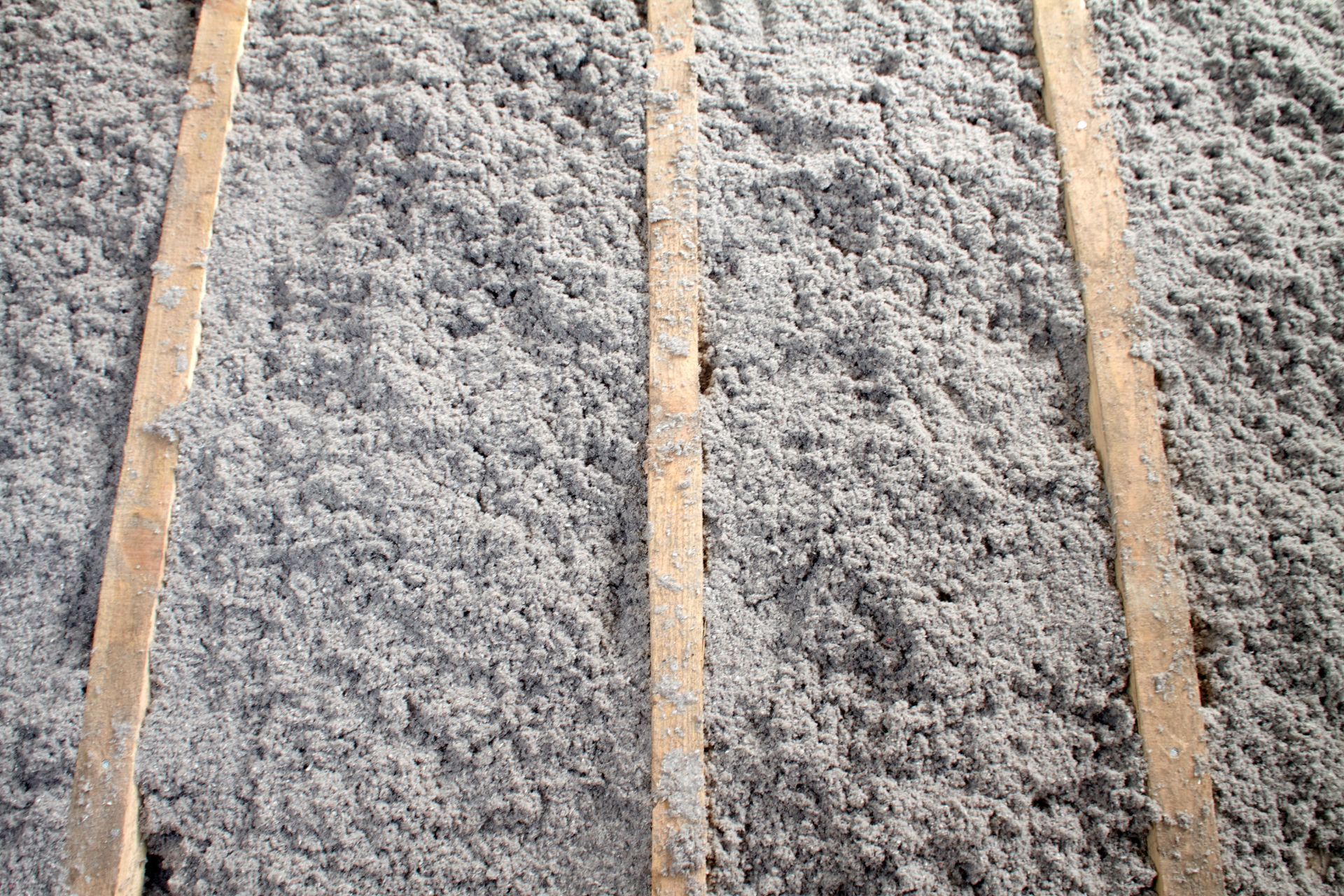
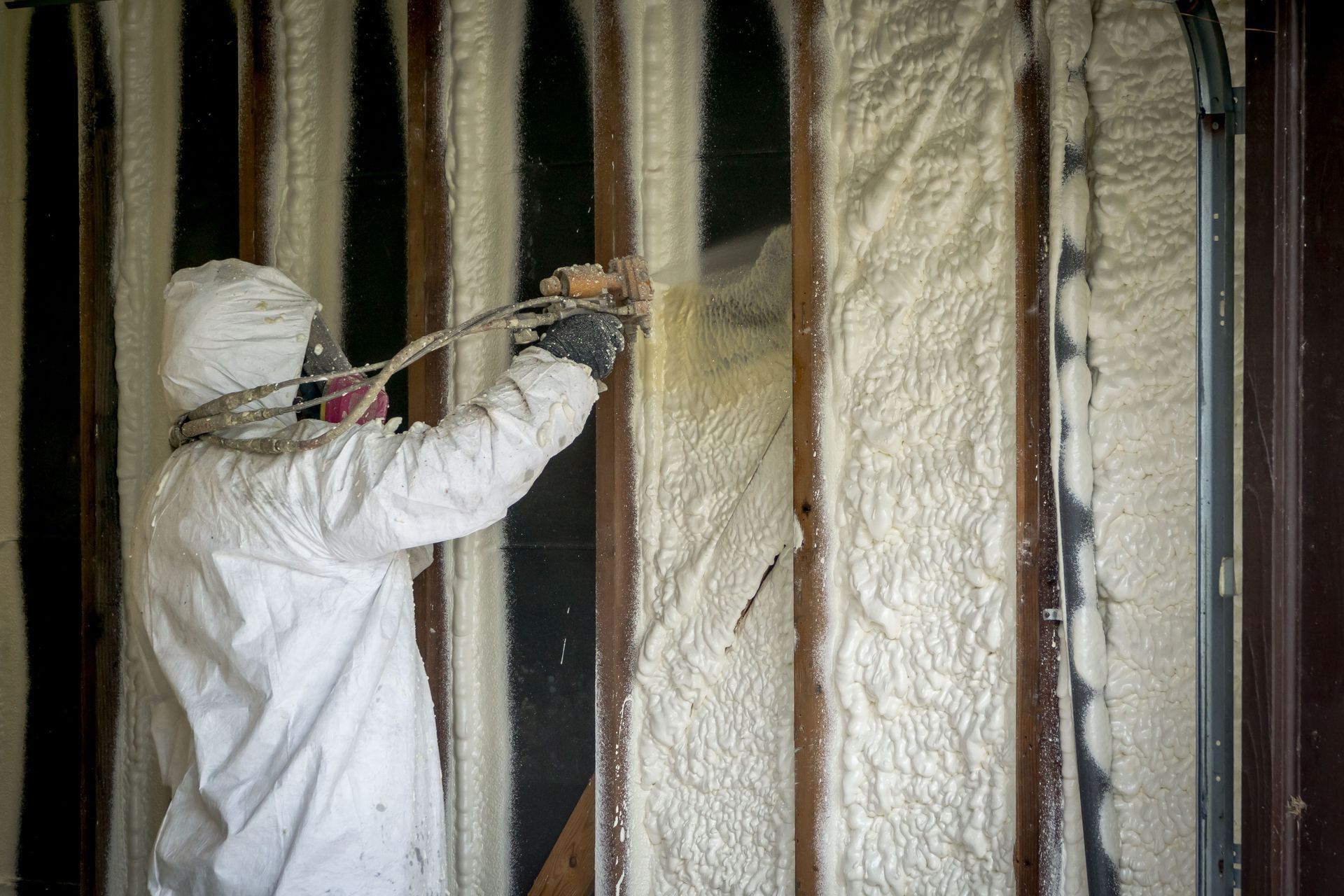
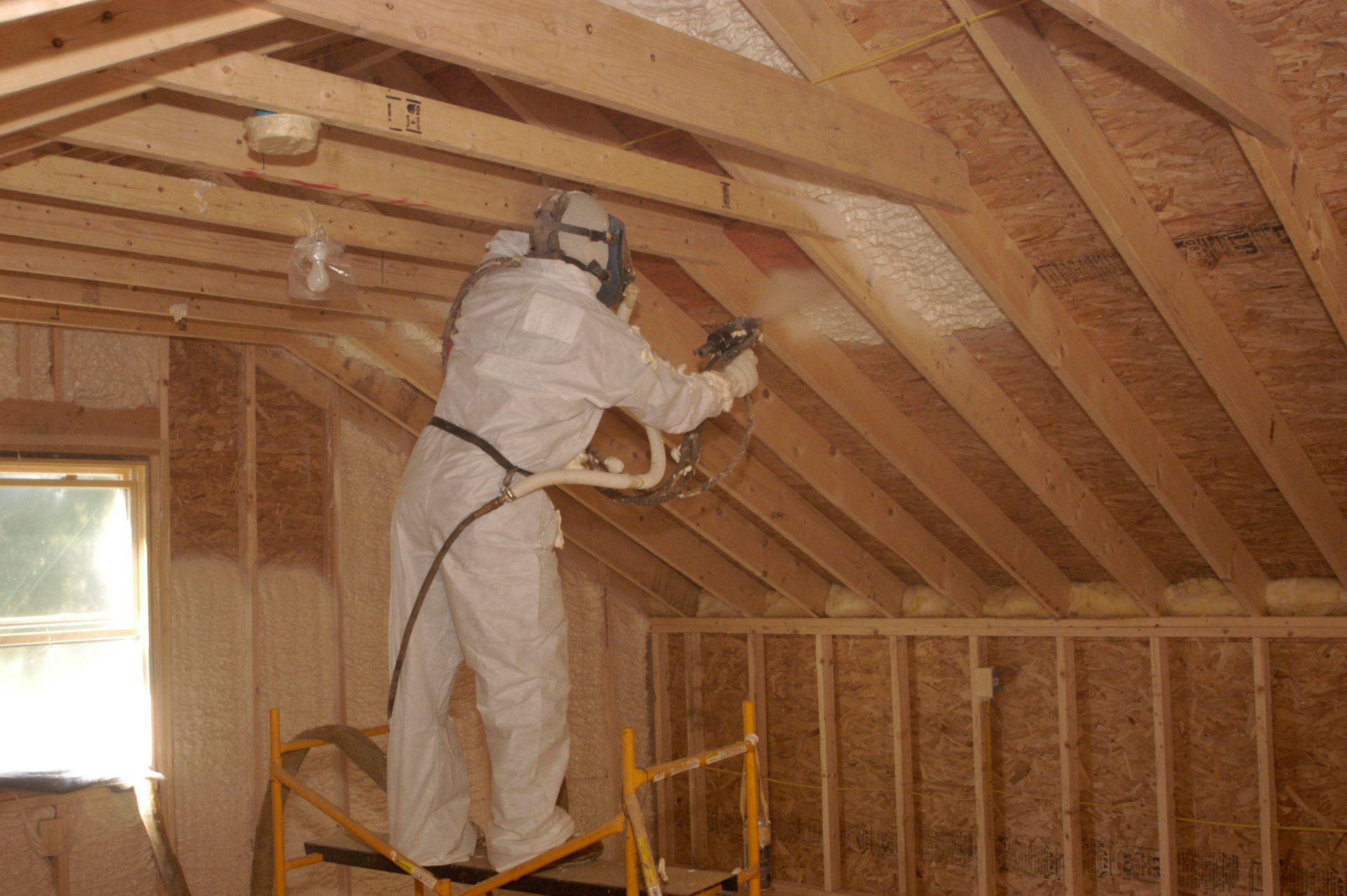
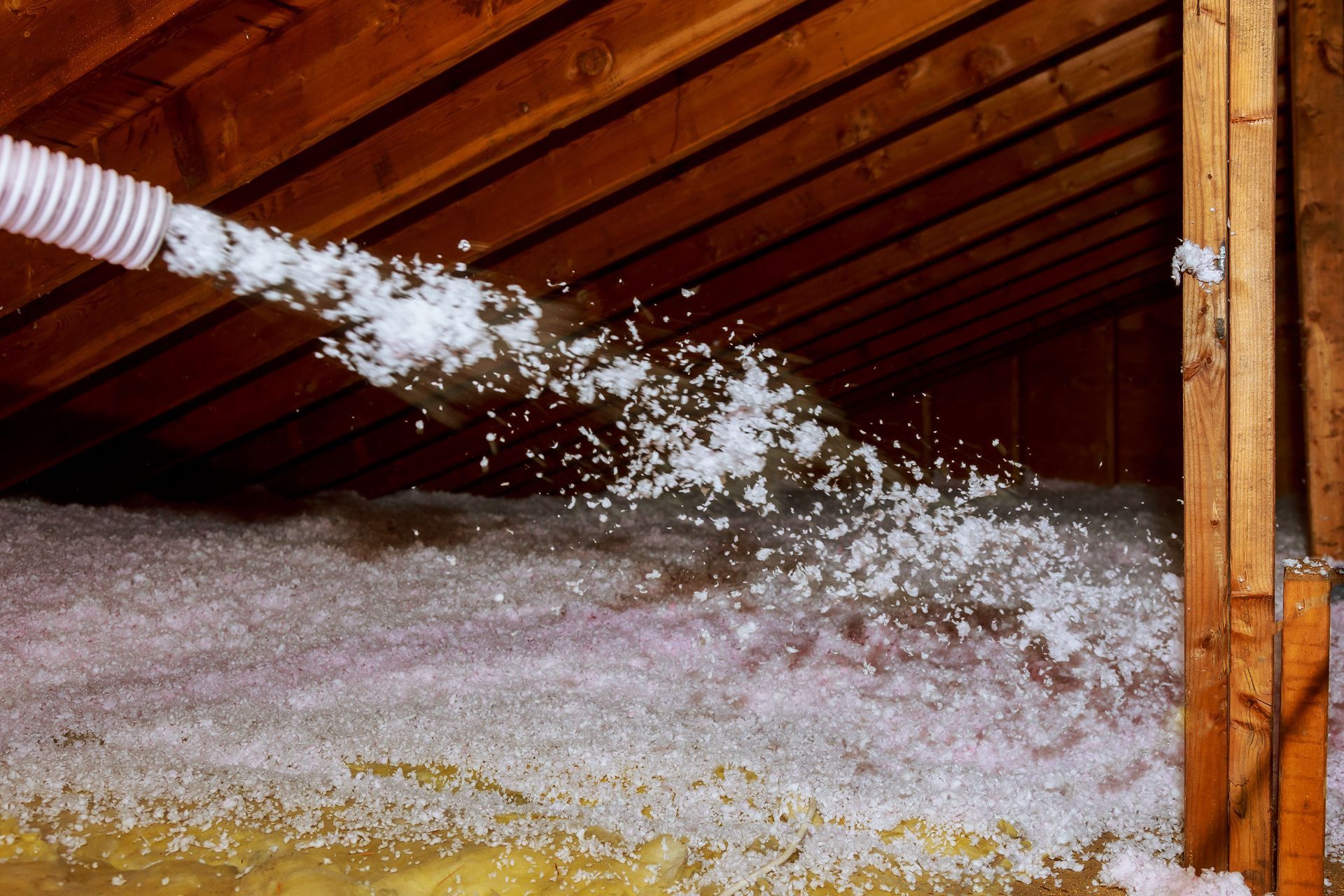
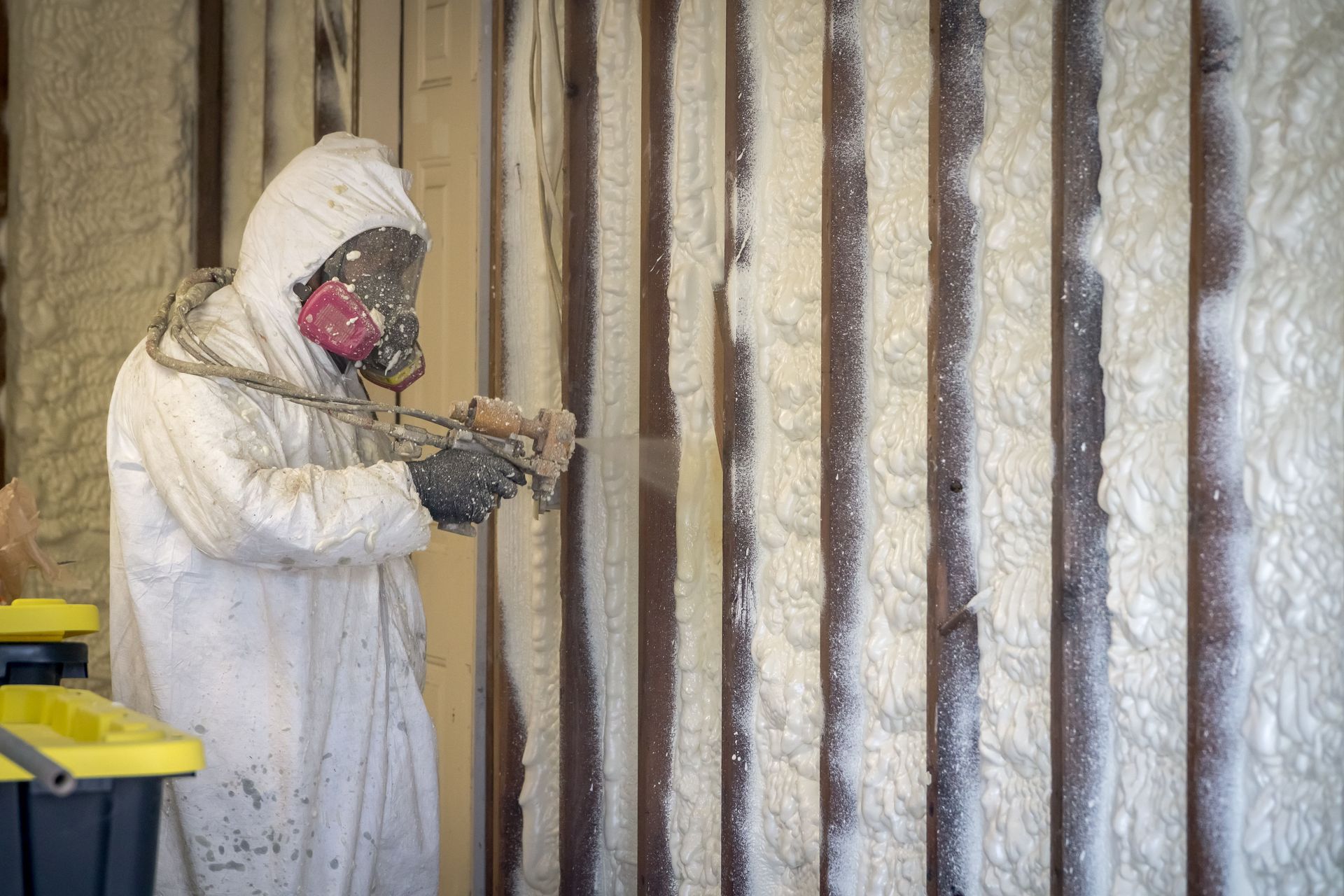
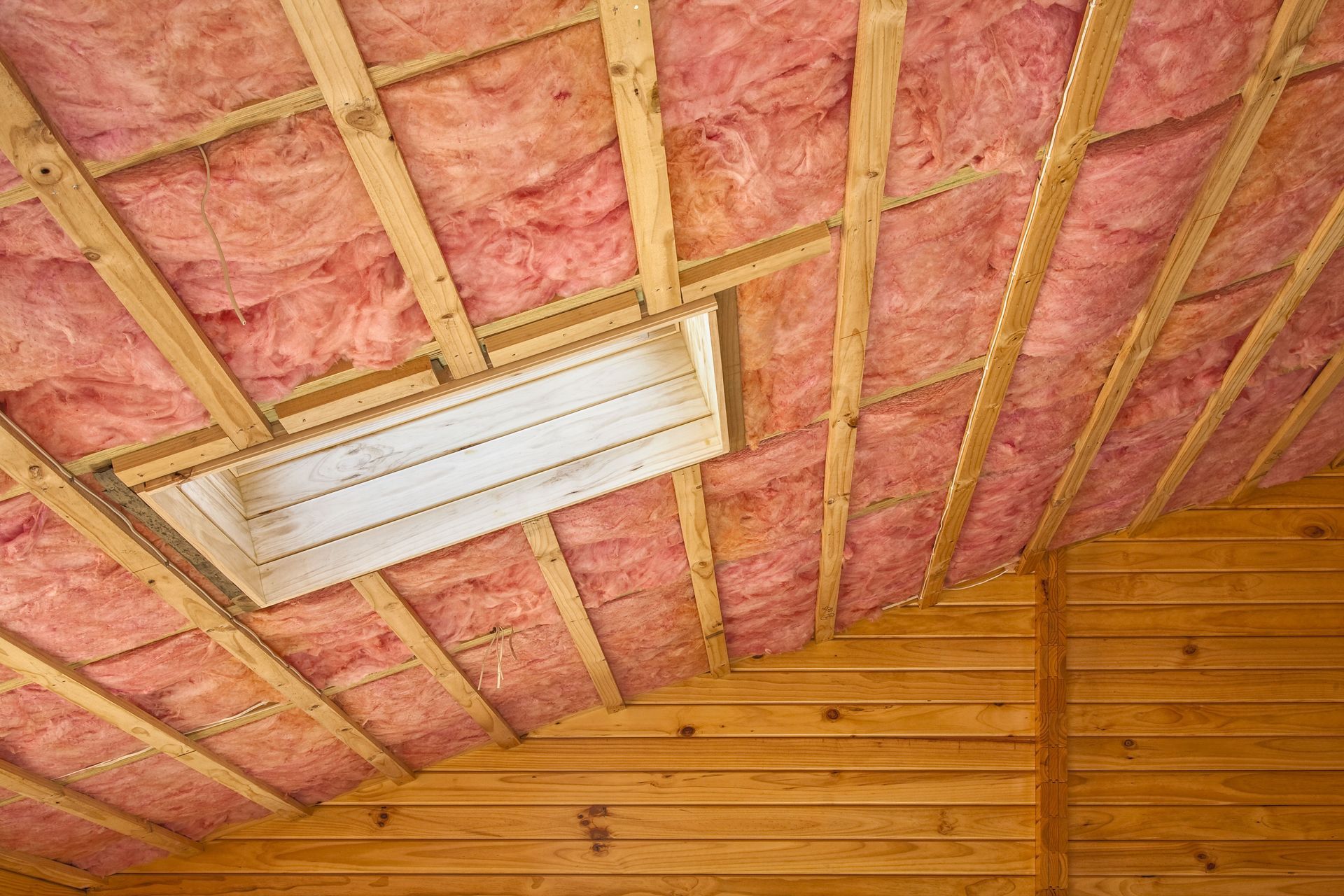
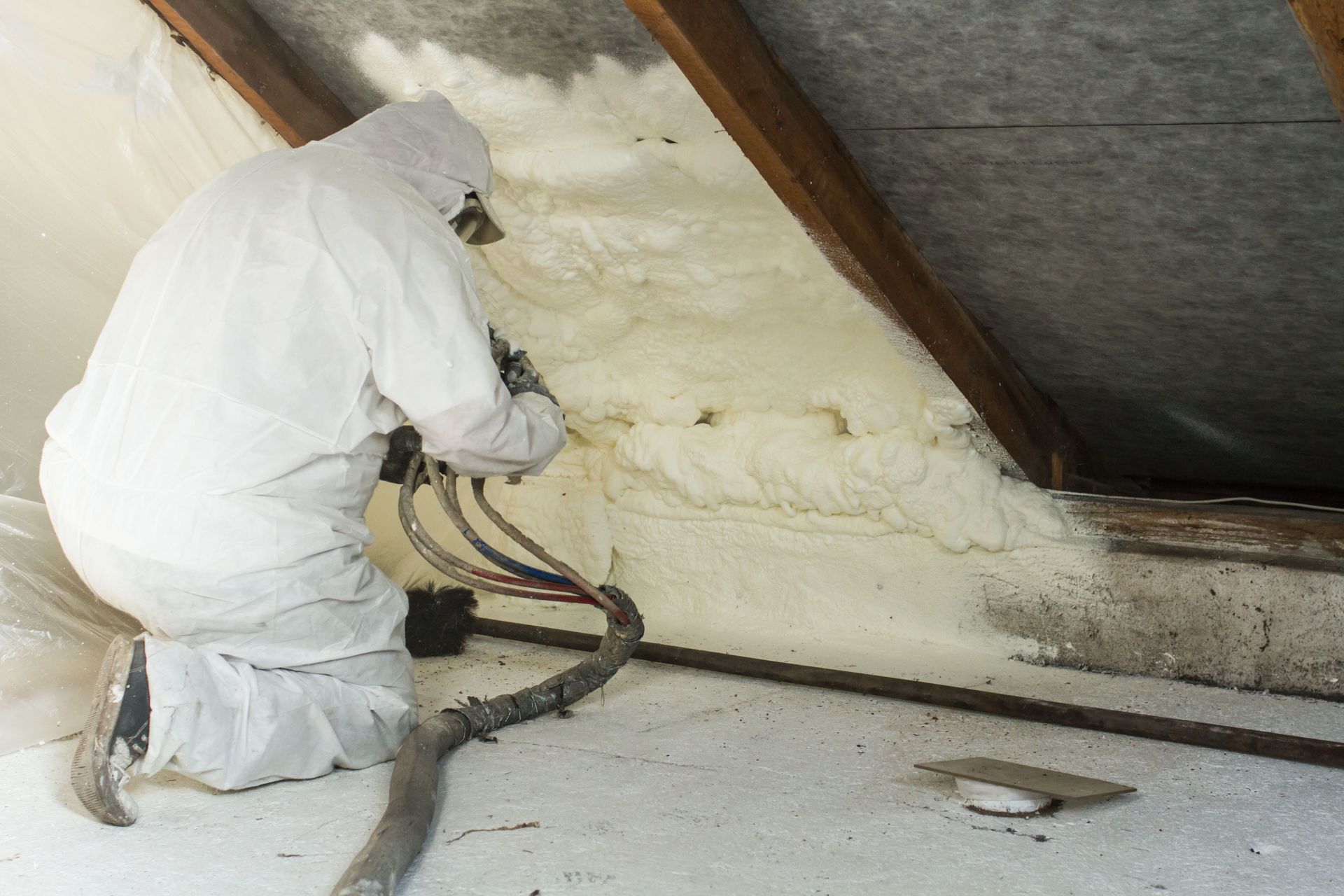
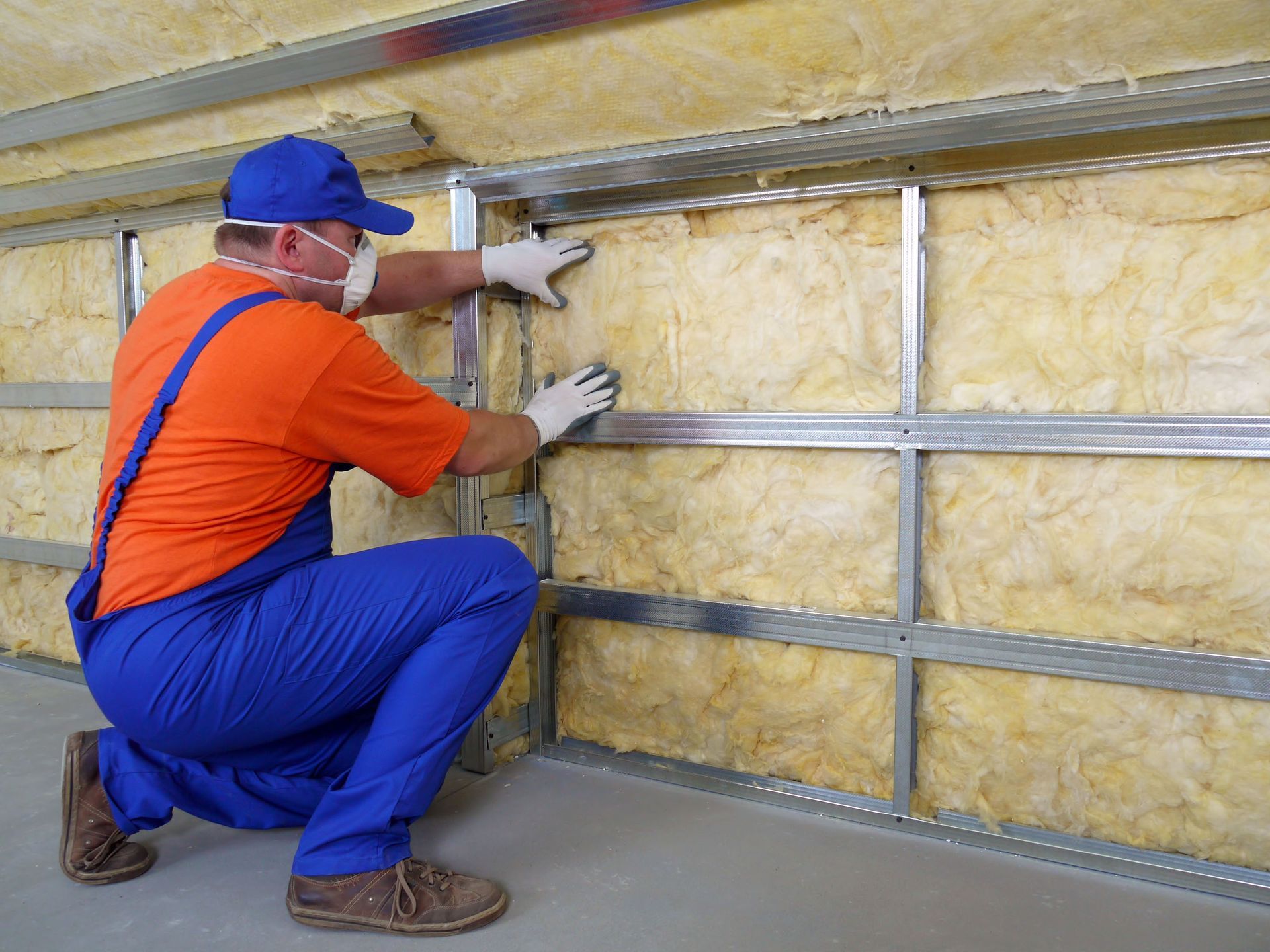
Attic insulation creates a thermal barrier that slows heat transfer between indoor and outdoor environments. Fiberglass is popular for its affordability, while cellulose uses recycled paper products to provide effective coverage. Spray foam offers strong insulating performance and can help seal air leaks. An insulation expert can evaluate the attic's structure, local climate, and existing materials to recommend a suitable solution.
Evaluating Insulation Performance
Insulation effectiveness is measured by R-value, which indicates resistance to heat flow. Higher R-values generally provide greater thermal resistance, although the appropriate level depends on climate and building conditions. Compressed materials, uncovered gaps, and improper installation can reduce performance. Air sealing is equally important because insulation alone may not prevent drafts through cracks around wiring, pipes, and other openings.
Understanding How Heat Transfer Affects Energy Use
Heat moves through conduction, convection, and radiation, creating pathways for energy loss. During winter, indoor warmth can escape through the attic, while summer heat can affect living spaces below. Proper insulation slows these processes and helps maintain comfortable temperatures. According to Modernize, homeowners can save an average of 15% on heating and cooling costs, or an average of 11% on total energy costs, by air sealing homes and adding insulation in attics, floors over crawl spaces, and accessible basement rim joists.
Exploring the Financial Benefits of Attic Insulation
Reducing Monthly Energy Expenses
Improving attic insulation can lower utility bills by reducing how frequently heating and cooling equipment operates. Actual savings depend on existing insulation, energy rates, climate, and household habits. An insulation expert can assess current conditions and recommend improvements that address the property's most significant sources of energy loss.
Limiting Long-Term Heating and Cooling Costs
Better insulation can reduce the workload placed on HVAC equipment, potentially limiting unnecessary operating time and associated wear. Although insulation cannot eliminate maintenance needs, improving the building envelope may help heating and cooling systems operate under less demanding conditions. Over time, energy savings can help offset installation costs.
Improving Property Appeal and Upgrade Value
Energy efficiency can influence how prospective buyers evaluate a home. Properties with effective insulation and fewer drafts may appeal to buyers concerned about operating expenses. Although insulation does not guarantee a higher resale price, it can strengthen a property's efficiency profile. Homeowners should also investigate available rebates, incentives, and applicable tax benefits before starting a qualifying project.
Examining the Environmental Benefits of Attic Insulation
Reducing Household Energy Consumption
Homes that require less heating and cooling generally consume less energy for temperature control. Depending on the energy source, this reduction can also lower greenhouse gas emissions. Improving attic insulation is a practical step toward greater efficiency without requiring major changes to everyday routines.
Choosing Materials With Sustainability in Mind
Homeowners can compare insulation materials based on performance, durability, manufacturing impacts, and recycled content. Cellulose often incorporates recycled paper, while other products may use recycled fibers or renewable resources. Environmental benefits vary by product, so homeowners should consider expected performance and service life. An insulation expert can explain the advantages of available materials while accounting for moisture conditions and building requirements.
Supporting Broader Energy Efficiency Goals
When homes reduce unnecessary energy use, the cumulative effect supports conservation efforts. Insulation improvements also complement efficient windows, properly maintained HVAC systems, and weatherstripping. Together, these measures help reduce energy waste while creating more comfortable indoor environments.
Addressing Common Attic Insulation Misconceptions
Clarifying Insulation and Ventilation Requirements
Some homeowners assume that adding insulation traps excessive heat or eliminates the need for attic ventilation. In reality, these features serve different purposes and must work together. Insulation slows heat transfer, while appropriate ventilation helps manage attic moisture and temperature. Blocking soffit vents with insulation can create problems, making careful installation essential.
Understanding the Cost of Insulation Upgrades
The initial price of insulation can discourage homeowners from considering an upgrade. However, long-term energy savings may help recover some of the investment, depending on the home's condition and project cost. Available incentives may also reduce qualifying expenses. A professional assessment can determine whether targeted air sealing, additional insulation, or a more extensive improvement makes the most financial sense.
Recognizing the Value of Professional Installation
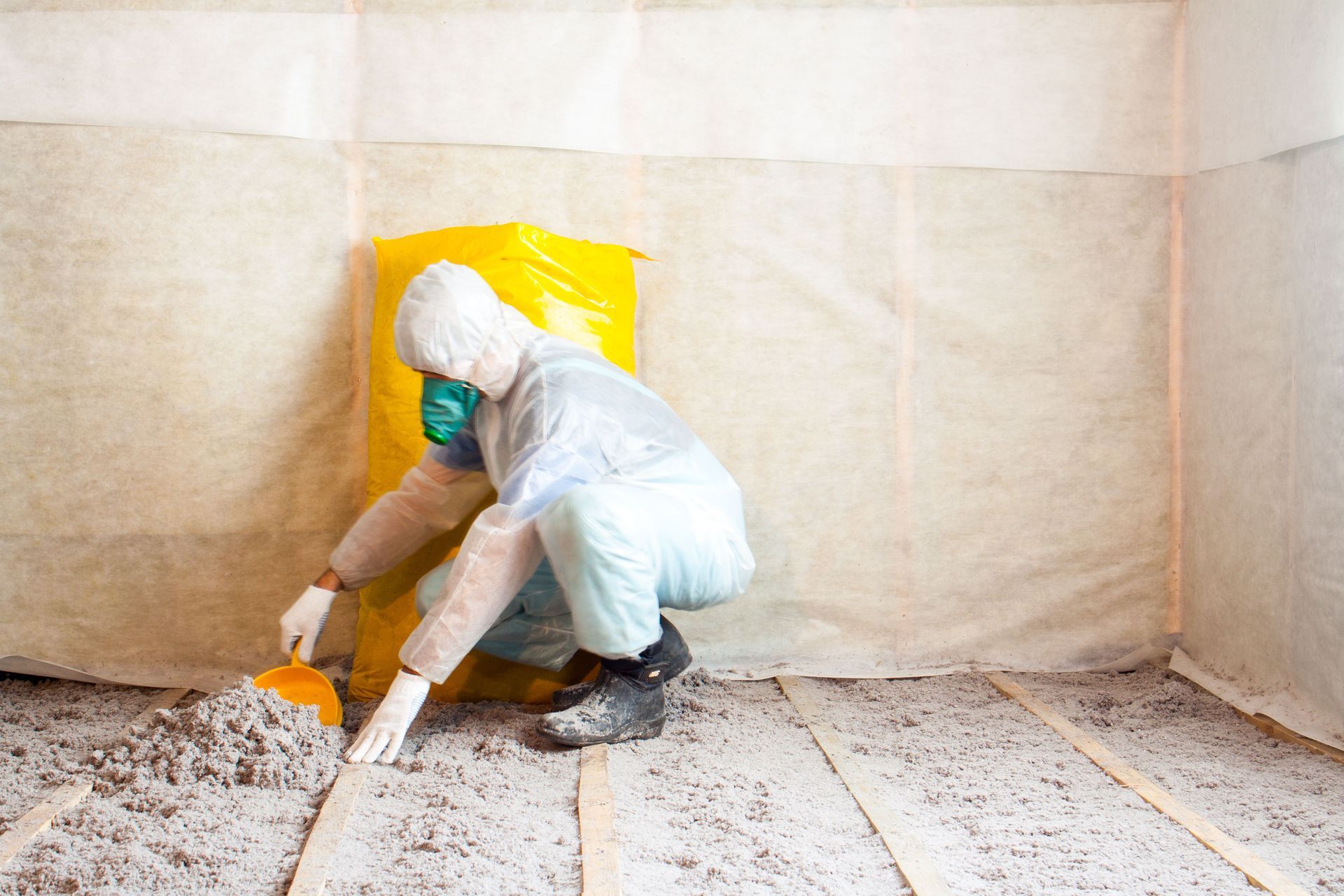
Installing insulation involves more than distributing material across an attic floor. Electrical fixtures, ventilation openings, moisture concerns, and existing insulation conditions require attention. Incorrect installation can leave gaps, compress materials, or create safety concerns. A qualified insulation expert can identify these issues and follow appropriate installation practices to improve performance.
Planning an Effective Attic Insulation Upgrade
Assessing Existing Insulation Conditions
Homeowners should determine how much insulation is present and whether it has been damaged by moisture, pests, or age. Uneven coverage, visible gaps, and temperature differences between floors may indicate problems. A professional assessment can also identify air leakage around attic access points, plumbing penetrations, and electrical openings, helping prioritize necessary improvements.
Selecting the Appropriate Insulation Solution
Choosing the right material requires balancing R-value, cost, installation requirements, and household needs. Fiberglass and cellulose suit many conventional attic spaces, while spray foam may be useful where air sealing is important. The best option depends on construction, moisture management, and accessibility. An insulation expert can compare materials and recommend an approach that balances comfort, efficiency, and durability.
Maintaining Insulation Performance Over Time
Insulation should be checked periodically for moisture, pest activity, displacement, or deterioration. Roof leaks and ventilation problems should be addressed promptly because wet insulation may lose effectiveness. Homeowners should also monitor energy bills and indoor temperatures after an upgrade. Although weather and energy rates affect expenses, tracking these changes can help identify whether further improvements are needed.
Recognizing Signs That Attic Insulation Needs Attention
Identifying Temperature Differences and Drafts
Rooms that remain uncomfortable despite regular HVAC operation may indicate insufficient insulation or air leakage. Upper floors that become especially hot in summer or cold in winter deserve attention. Drafts near ceilings and attic access doors may also suggest that conditioned air is escaping. An inspection can help determine whether insulation improvements would address the problem.
Investigating Unexpected Energy Bill Increases
Rising utility costs may result from changing energy prices, extreme weather, equipment problems, or insulation deficiencies. Comparing bills across similar seasons can reveal unusual patterns. If energy use increases without a clear explanation, a professional evaluation may identify air leaks or inadequate insulation.
Addressing Moisture and Insulation Damage
Water stains, musty odors, visible mold, or pest activity can indicate conditions affecting attic insulation. Adding new material over a damaged area may conceal rather than resolve the problem. Homeowners should address roof leaks and moisture sources before replacing affected insulation to protect their investment and indoor environment.
Improving Home Efficiency With Professional Insulation Services
Creating a Practical Improvement Plan
Effective attic insulation begins with understanding how the home loses energy. An assessment can help prioritize air sealing, insulation depth, ventilation, and necessary repairs. Considering how these improvements work together helps homeowners avoid overlooked gaps and make better use of their budgets.
Attic insulation can improve comfort, reduce energy consumption, and help manage household expenses. Results depend on the home's condition, material selection, and installation quality. Homeowners concerned about high utility bills can benefit from professional guidance from an insulation expert before choosing an upgrade. Contact Sanchez Insulation Inc to discuss insulation needs, explore suitable solutions, and take a practical step toward a more comfortable, energy-efficient home.
Share On: